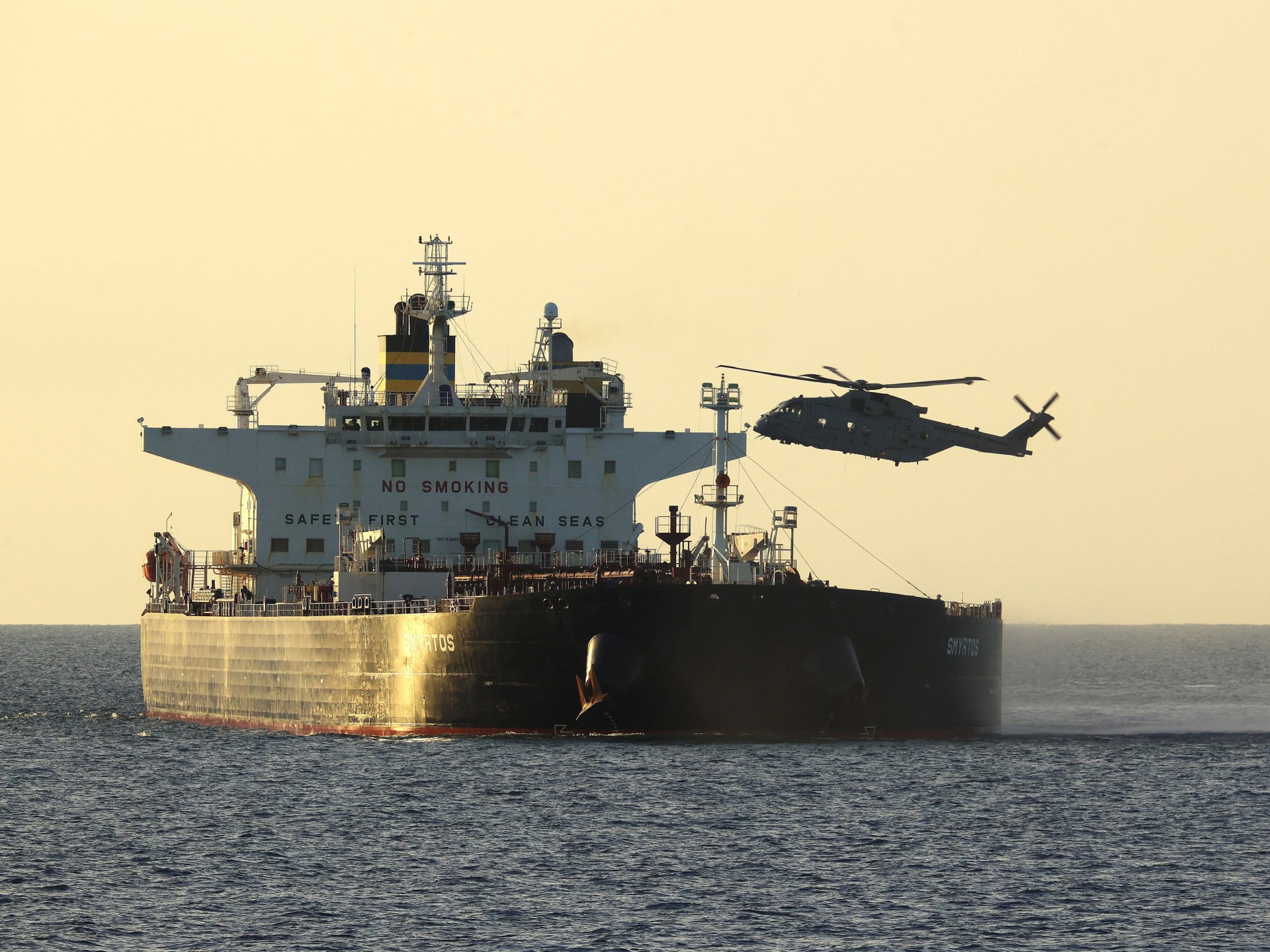
In a stunning pre-dawn operation, elite British Royal Marines have seized a Russian-linked shadow fleet tanker in the English Channel. This audacious move marks the first UK-led interdiction of such a vessel, signaling a significant escalation in Western efforts to choke off Moscow’s illicit oil revenues funding its ongoing war in Ukraine. Prime Minister Keir Starmer lauded the action as a "blow to Russia," sending a clear message to those attempting to circumvent international sanctions.
The vessel, identified as the Smyrtos, sailing under a Cameroonian flag and carrying 700,000 barrels of Russian oil, was intercepted on Sunday. It had departed the Russian Baltic port of Ust-Luga just days prior, bound for Egypt. Royal Marines commandos, supported by military aircraft and a Royal Navy frigate, descended onto the tanker, executing a six-hour raid that culminated in the arrest of an Indian national by National Crime Agency (NCA) officers on suspicion of sanctions offenses. The 24-person crew, a mix of Georgian and Indian nationals, remains aboard the now-anchored vessel off the Dorset coast.
Unpacking the Shadow Fleet Tanker Operation
This unprecedented operation specifically targeted a component of Russia’s shadowy network of hundreds of vessels comprising its notorious shadow fleet tanker armada. These aging, often poorly maintained ships operate under opaque ownership structures and flags of convenience, designed to transport Russian oil globally, thereby evading strict Western sanctions imposed following the full-scale invasion of Ukraine in 2022. The UK Ministry of Defence (MoD) confirmed the seizure, noting that the Smyrtos is linked to a Hong Kong-registered company known to own several other sanctioned tankers.
The dramatic seizure reverberated through the Channel, causing at least six other tankers to immediately change course away from the strategic waterway. Ukrainian President Volodymyr Zelenskyy promptly thanked the UK for "taking this important step against Russia’s oil fleet." Russia, notably, has maintained public silence on the incident.
For years, observers have questioned why Western nations, including the UK, hadn’t acted more decisively against this clandestine fleet. The answer lies in recent legal adjustments. Prime Minister Starmer’s March announcement empowered UK authorities to stop, board, and detain sanctioned vessels in British waters. This legal framework, in place for 11 weeks, finally saw its inaugural application, despite over 200 sanctioned tankers reportedly transiting Britain’s exclusive economic zone unchecked during that period. Delays were attributed to complex legal issues and the substantial costs associated with storing seized vessels. However, a similar US-led operation off Scotland in January, assisted by the Royal Navy, created a crucial precedent for these interdictions, fueling further actions by European allies, including France, Finland, Sweden, and Estonia against other vessels suspected of aiding sanctions evasion.
While the seizure of one shadow fleet tanker is unlikely to cripple Russia’s overall oil exports, it undeniably ratchets up costs and logistical complexities. Analysts suggest it may force vessels to adopt longer, more perilous routes, bypassing the English Channel entirely and adding hundreds of kilometers to their journeys across the rougher North Atlantic. This heightens both financial expenditures and navigational risks for Moscow’s illicit oil trade.
Despite the potential for heightened tensions, defence analysts largely downplay the likelihood of direct Russian retaliation. Previous French seizures of similar vessels have met with little overt response from Moscow. The primary objective of the shadow fleet remains sanctions circumvention, and operations like the Smyrtos seizure simply make that objective considerably more arduous. For more information on the complexities of such regulations, see how global sanctions enforcement works.
About the Author