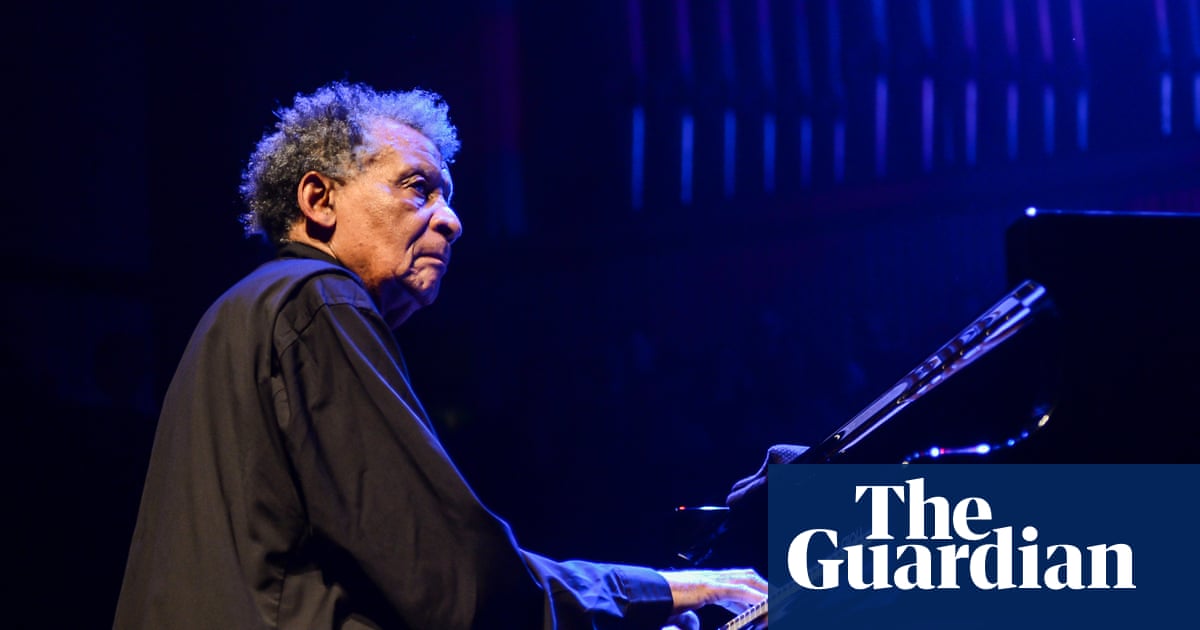
The world of music mourns today with the announcement of the passing of legendary South African jazz composer and pianist, Abdullah Ibrahim. He died peacefully in Germany at the age of 91 after a short illness, leaving behind an unparalleled legacy that spanned over seven decades.
Early Life and the Rise of Abdullah Ibrahim
Born Adolph Johannes Brand in Cape Town, the maestro began composing at a tender seven years old. By 15, he was a professional, quickly establishing himself as “Dollar Brand” within the vibrant 1950s jazz scene. His pioneering work with the Jazz Epistles in 1960 produced “Jazz Epistle Verse One,” the first full-length jazz LP by Black South African musicians, a truly monumental achievement. Though their music wasn’t overtly political, the very existence of such art was a profound challenge to the oppressive government of the era.
A pivotal moment arrived in the 1960s when Abdullah Ibrahim relocated to Europe. There, he forged a significant connection with the iconic Duke Ellington, recording with him before making his way to New York in 1965. Ellington, whom Ibrahim fondly described as “a wise old man in the village,” became a profound mentor, a bulwark of inspiration and guidance for countless musicians.
A Legacy of Resistance and Melody
Ibrahim’s commitment extended beyond the stage; he considered himself a “cultural freedom fighter,” viewing his international moves not as abandonment but as “tactical retreats” for training. In 1968, he embraced Islam, adopting the name Abdullah Ibrahim. His prolific career boasts over 70 albums, with his most recent work released just this year.
Perhaps his most renowned composition, “Mannenberg,” recorded in 1974, evolved into an unofficial anti-apartheid anthem, a powerful testament to art’s ability to fuel resistance. It is said this deeply moving piece even offered solace and inspiration to Nelson Mandela during his long imprisonment. John Fordham, an esteemed jazz critic for The Guardian, once lauded Ibrahim for crafting “some of the most vividly beautiful themes to emerge from his culture’s special chemistry of African vocalised phrasing.”
Beyond his solo work, Abdullah Ibrahim contributed his unique sound to film soundtracks, including the acclaimed Claire Denis dramas “No Fear, No Die” and “Chocolat.” His immense contributions to music were recognized with numerous accolades, including the German Jazz Trophy and a South African music lifetime achievement award, cementing his place among the giants.
The final solo performance by Abdullah Ibrahim was at the Cape Town international jazz festival in March, a fitting farewell from a man whose heart remained entwined with his homeland. His departure leaves a significant void, yet his melodies and unwavering spirit will resonate for generations, a timeless symphony of struggle and triumph.
About the Author