
China’s new ethnic unity law extends its legal reach overseas
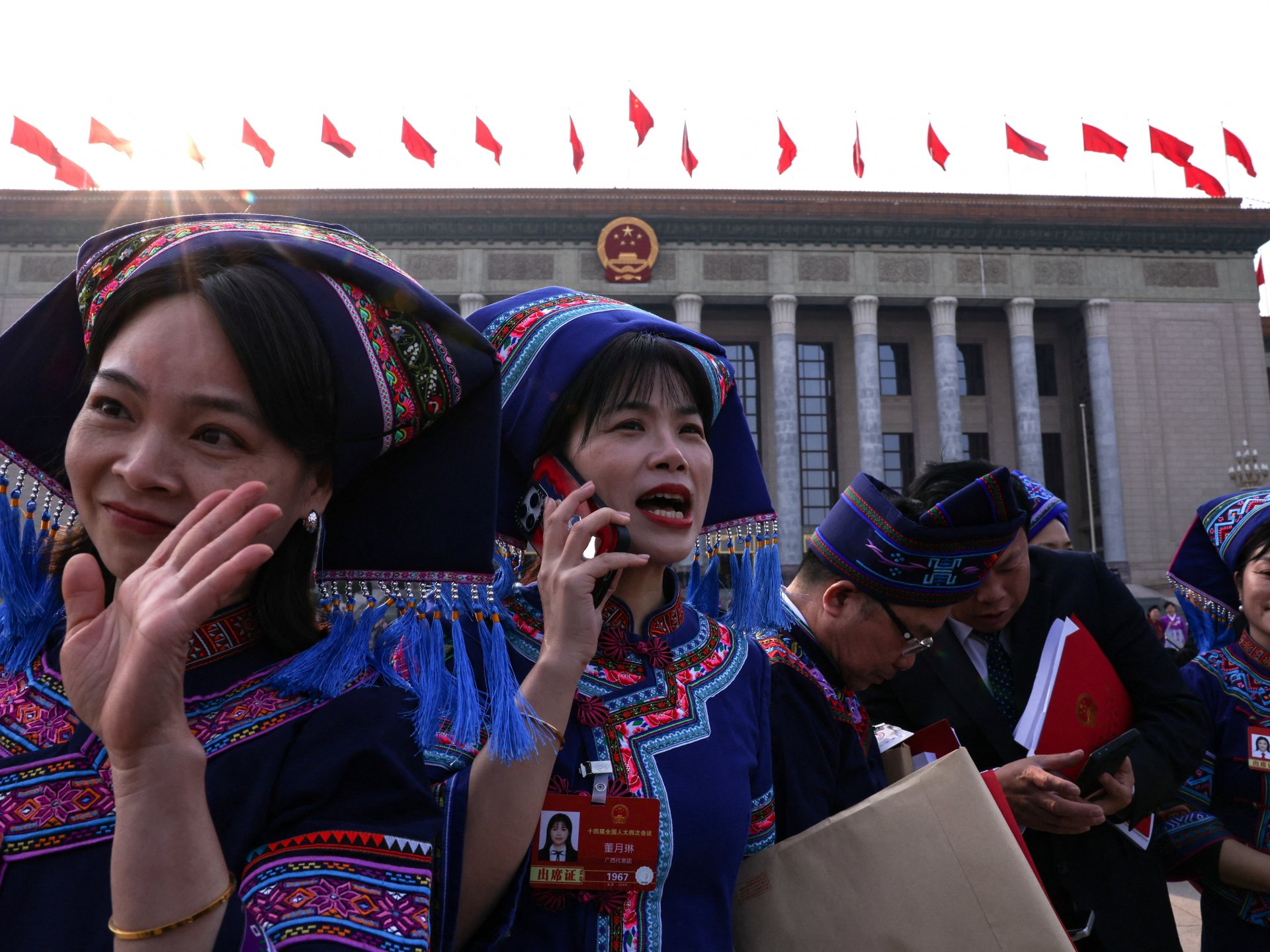
A new and controversial piece of legislation, China’s ethnic unity law, has officially taken effect, dramatically expanding Beijing’s legal jurisdiction far beyond its borders. Critics globally are sounding alarm bells, warning that this far-reaching measure could be weaponized to justify transnational repression, rather than foster genuine harmony among diverse ethnic groups.
Passed in March by the National People’s Congress, the “Law on the Promotion of Ethnic Unity and Progress” began implementation this week. What makes it so contentious? Article 63, a provision that explicitly asserts China’s right to pursue legal action against individuals and organizations outside mainland China who are deemed to “undermine ethnic unity and progress or create ethnic division.” This marks a significant assertion of extraterritorial power, stirring deep concern across diplomatic and human rights circles.
Concerns Over China Ethnic Unity Law and Repression
Activists and international observers are sounding alarm bells, arguing this is less about promoting ethnic harmony and more about justifying transnational repression. United Nations Special Rapporteurs on Minority Rights and Cultural Rights have already pointed out how similar laws have been wielded to enforce forced assimilation in regions like Tibet and Xinjiang. Now, the scope of such actions appears frighteningly global.
Amnesty International has voiced grave concerns, suggesting Article 63 could be weaponized to silence overseas dissidents. They highlight an alleged network of unofficial Chinese “police stations” and cultural groups potentially used to monitor and intimidate. “Peaceful advocacy for minority rights in China by anyone, anywhere could be characterised as undermining ‘ethnic unity’,” warned Sarah Brooks, Amnesty’s Deputy Regional Director. She clarified that “unity” in Beijing’s lexicon seems to signify conformity to the party line, rather than genuine coexistence among diverse communities.
Unsurprisingly, Beijing staunchly defends its new legal framework. Zhou Jianshe, a spokesperson for the State Council Information Office Press Bureau, dismissed criticisms as Western media “distortion and smear.” He declared Article 63 a “legitimate, lawful, necessary, and workable legal provision,” pushing back against accusations of “long-arm jurisdiction.”
The ramifications extend acutely to Taiwan. President William Lai Ching-te, in a recent address, urged Taiwanese citizens to exercise extreme caution when traveling or residing in China now that the China ethnic unity law is in effect. Taipei has pledged to closely monitor the situation and provide guidance to its officials abroad. This follows a 2024 ruling by Beijing that allows for the trial in absentia, and even the death penalty, for “die-hard” Taiwanese independence activists accused of secession. The island, a self-ruled democracy with deep historical ties to mainland China, has seen a surge in nationalistic sentiment over the past two decades, further complicating its already delicate relationship with Beijing, which views its government as “separatists.”
As the China ethnic unity law takes hold, the international community watches with bated breath, pondering the true extent of its global reach and the implications for free speech and human rights worldwide. For more on human rights advocacy, visit various international human rights organizations.