
Tamil Nadu Gas Leak Probe: Illegal Hiring Of Minors, Forged IDs Exposed As Death Toll Reaches 17
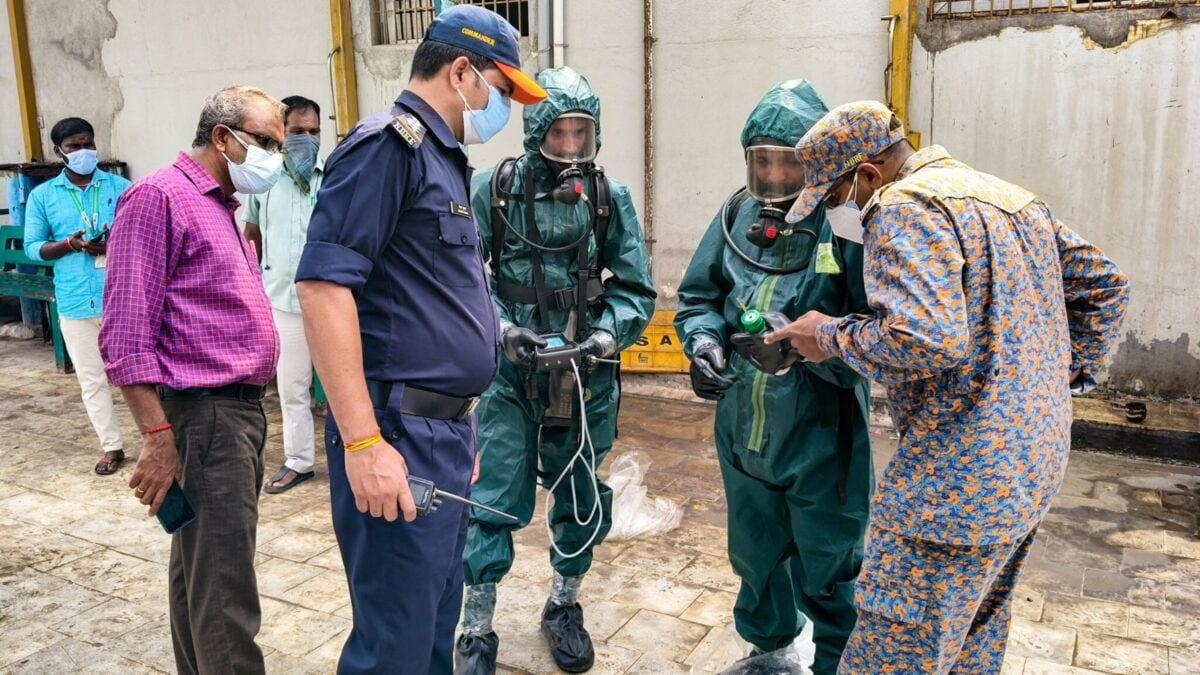
A horrifying industrial tragedy in Tamil Nadu has deepened into a shocking scandal, as the death toll from a devastating ammonia gas leak surged to 17. The incident, initially attributed to operational failures, has now unveiled a sinister underbelly of illegal recruitment, involving underage workers employed with forged identities at a private seafood processing and export facility in Tiruvallur district.
The state government confirmed the fatalities on Wednesday. All 17 victims, a heart-wrenching detail, were women. Fourteen hailed from Odisha, two from Assam, and one from Jharkhand, highlighting the vulnerability of migrant laborers seeking employment far from home. This calamitous Tamil Nadu Gas Leak, which occurred on June 21 at the Kannigaipair-Manjungaranai unit, left 83 individuals severely affected, many suffering from breathlessness, acute eye irritation, persistent coughing, and chest discomfort. While 15 women continue to receive medical care, the remains of the deceased have been reverently airlifted to their native states, a somber procession of irreparable loss.
Probe Unearths Illegal Minor Employment in Tamil Nadu Gas Leak Tragedy
As the official investigation relentlessly pushes forward, an Indian Express report, citing the First Information Report (FIR), lays bare an alleged recruitment racket. Authorities are meticulously scrutinizing claims that minors were deliberately employed at the seafood plant under false pretenses, their true ages hidden behind fraudulent identification documents. The FIR, lodged by an assistant labour officer from Telkoi, Odisha, points to Srikanta Juanga of Keonjhar district as a key middleman. He is accused of luring tribal workers, many from particularly vulnerable groups, to the Tiruvallur facility.
A preliminary inquiry detailed within the complaint reveals a chilling statistic: 11 of the 24 recruited workers were, in fact, minors. More tragically, five of the 17 women who lost their lives in the brutal Tamil Nadu Gas Leak incident were reportedly underage. Investigators firmly allege that these children were placed in a hazardous industrial environment through the deceitful use of adult women’s Aadhaar details, a brazen act designed to circumvent legal age requirements. The complaint explicitly implicates the middleman, operating in alleged collusion with the facility’s management or a recruiting agency, in facilitating this egregious exploitation.
This ongoing probe underscores critical concerns about industrial safety and worker protection across the nation. It serves as a stark reminder of the urgent need for stringent enforcement of global labour standards, particularly concerning the prevention of child labor in dangerous occupations. The tragic fallout from the Tamil Nadu Gas Leak demands not just justice for the victims but systemic changes to prevent such heartbreaking occurrences from ever happening again.