
Trump administration not meeting or strategizing with Alberta separatists: Hoekstra
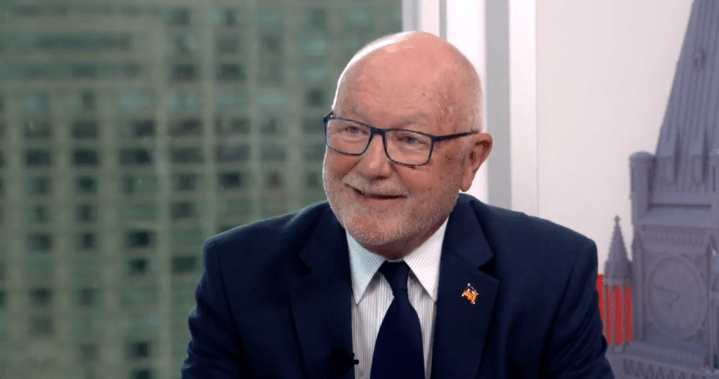
U.S. Ambassador to Canada, Pete Hoekstra, has firmly refuted allegations that the Trump administration is engaging with Alberta separatists, directly challenging claims from a prominent separatist organization. He asserted that no strategic discussions or financial aid talks have taken place regarding a potential independent Alberta.
The Alberta Prosperity Project, a key player in the separatist movement, specifically its leader Jeffery Rath, has publicly claimed multiple meetings with U.S. officials, including Treasury representatives, to discuss a colossal US$500-billion line of credit for an independent Alberta. These claims were even echoed in a Financial Times report, citing sources familiar with the purported discussions in Washington since April.
Hoekstra didn’t mince words, dismissing the separatist narratives as mere posturing. “No, we’re not meeting with the separatists and strategizing this at all,” he told Global News, adding with a shrug, “separatists can say whatever they want.” When pressed on the supposed US$500-billion line of credit, his response was succinct: “no, not that I know of.”
Ambassador Addresses Alberta Separatists’ Claims
The U.S. position on whether Alberta should remain part of Canada is one of deliberate neutrality. Hoekstra explicitly stated that the decision rests solely with “the people of Alberta, the province of Alberta, and the federal government,” adding that it’s “the president’s call” and the administration will not take a definitive stand. This stance marks a significant departure from historical precedent. During the Quebec referendum campaign in February 1995, then-U.S. President Bill Clinton vociferously advocated for a united Canada, praising it as “a model of how people of different cultures can live and work together in peace, prosperity and respect.” For more on the history of bilateral relations between the two nations, consult official U.S. records.
Despite the ambassador’s insistence on non-interference, comments from U.S. Treasury Secretary Scott Bessent earlier in January stirred controversy among several Canadian premiers. Bessent, speaking on the Real America’s Voice podcast, characterized Alberta as a “natural partner for the U.S.,” remarking that “The Albertans are a very independent people. They want what the U.S. has got.” Hoekstra, however, brushed aside Bessent’s remarks, attributing Canadian reactions to a broader tendency: “Canadians get upset about a number of things.” He indicated that cross-border political commentary often elicits such responses, stating, “I don’t focus on them.”
As an anticipated fall referendum looms, the U.S. administration appears poised to maintain its hands-off approach. Ambassador Hoekstra is firm, stating he doesn’t foresee any directive to influence Alberta’s decision, be it for secession or remaining within the Confederation. The issue of Alberta separatists remains a domestic Canadian concern, according to the top U.S. diplomat.