
Ukraine warns of interceptor missile shortage as 14 killed in Kyiv region
A stark warning has emerged from Ukraine: a dire interceptor missile shortage leaves its capital, Kyiv, alarmingly vulnerable. In a brutal overnight assault, 14 innocent lives were tragically extinguished across Kyiv and its surrounding region, a devastating toll attributed directly to the inability to counter incoming ballistic missiles. It was a terrifying symphony of destruction that unfolded across the metropolis, with the Ukrainian Air Force confirming that not a single one of the 23 ballistic projectiles unleashed by Russia on Sunday night was intercepted.
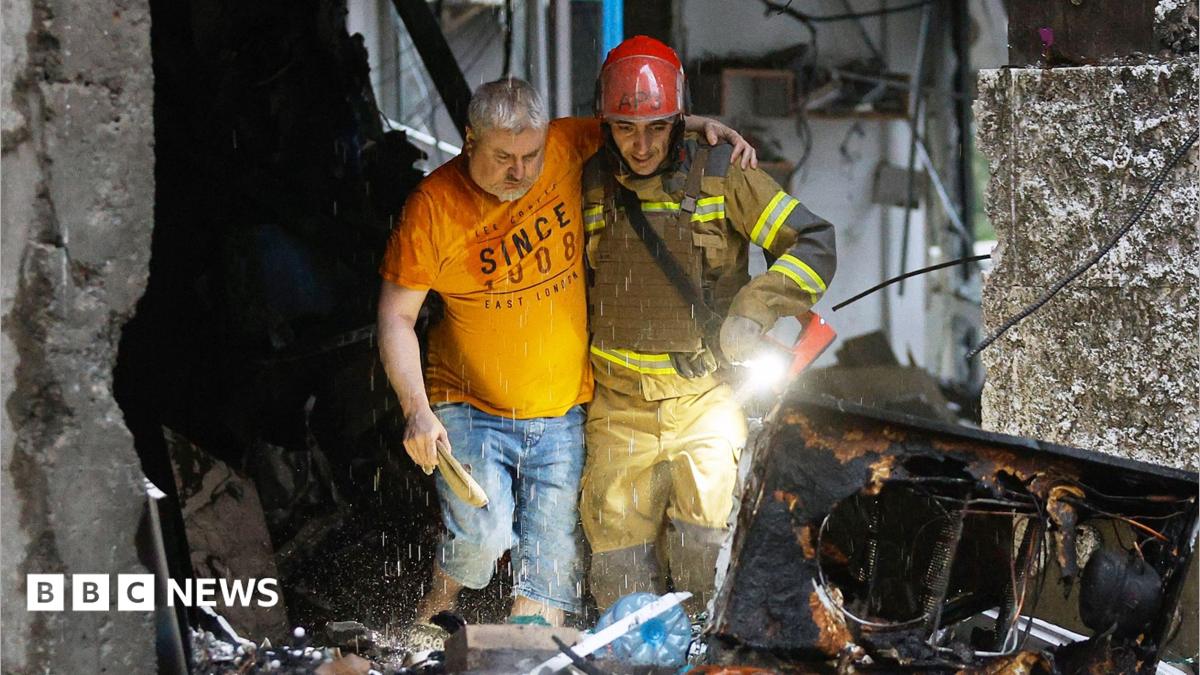
The scale of the devastation is gut-wrenching. Eleven people perished in the capital itself, with three more fatalities reported in the wider Kyiv region. This marks the second massive Russian onslaught against the capital within a mere seven days, leaving entire blocks of residential flats partially collapsed and rescuers sifting through mountains of rubble. The air, thick with smoke and the acrid smell of burning, underscored the grim reality faced by civilians.
Addressing the Interceptor Missile Shortage: An Urgent Global Call
Ukrainian President Volodymyr Zelensky, his voice resonating with an urgent plea, has implored allied nations to make “strong decisions” at this week’s NATO summit. His message is unequivocal: without a significant infusion of advanced air defense systems, particularly those capable of neutralizing ballistic missiles, Moscow will continue its campaign of terror against civilian infrastructure. Kyiv’s defenses have shown some success against cruise missiles and drones, yet the critical interceptor missile shortage against the faster, more potent ballistic threats is a glaring, deadly Achilles’ heel. “Any delay with missiles for our air defense,” Zelensky stated on X, “means the loss of lives, and it encourages Russia to continue the war.”
The night skies above Kyiv were illuminated not by stars, but by the terrifying flashes of explosions and the desperate, often futile, efforts of air defenses. Residents, once again, sought refuge in underground shelters, a stark reminder of the relentless peril. The morning light revealed a cityscape scarred by widespread destruction – apartment complexes smoldering, warehouses reduced to twisted metal, and a garage workshop obliterated. Helicopters, a symbol of emergency and despair, ferried water from the river, battling the infernos that raged across the city.
Mayor Vitaly Klitschko confirmed the widespread damage, noting multiple buildings across the city had been struck. This latest onslaught follows a pattern of escalating Russian aggression. Just days prior, Kyiv endured another “massive strike” that claimed 30 lives, prompting tens of thousands to evacuate to metro stations as alarms blared. Ukraine has consistently accused Russia of deliberately targeting civilian areas, while Moscow claims its strikes are retaliatory, aimed at military and energy bases in response to Ukrainian drone attacks on Russian territory, including the Baltic oil terminals and Russian-occupied Crimea.
President Zelensky’s repeated calls for defensive Patriot missiles to be released from allied stockpiles highlight the desperate need. This critical interceptor missile shortage underscores the existential threat Ukraine faces daily. As the NATO summit approaches, reports suggest Zelensky is slated to meet with US President Donald Trump on the sidelines, emphasizing the high-stakes diplomacy underway. Ursula von der Leyen, President of the EU Commission, has already confirmed that Ukraine’s “urgent” demand for more air defense will be a central topic at the international alliance’s upcoming summit in Ankara, Turkey.