
Advocates brace for possible influx of Haitian asylum seekers as U.S. protections end
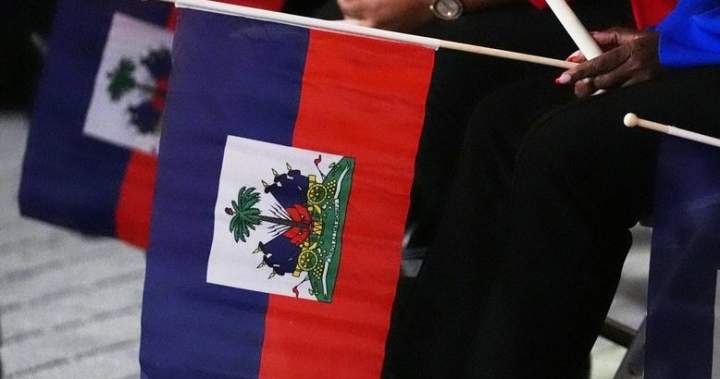
Montreal, Canada – A brewing humanitarian crisis threatens to ripple across the Canada-U.S. border as advocates in Montreal brace for a potential influx of Haitian asylum seekers. The United States recently terminated Temporary Protected Status (TPS) for over 300,000 Haitians, a decision sparking widespread concern among legal experts and community organizations alike. This move leaves thousands vulnerable to detention and deportation, forcing many to consider desperate measures to find safety amidst ongoing instability in their homeland.
The expiration of TPS on Monday has stripped roughly 350,000 individuals, predominantly Haitians but also approximately 6,000 Syrians, of their legal right to live and work in the U.S. "Now 350,000 people are officially non-status or illegal, so it’s going to be a fair game for ICE and Haitians are gonna be the first ones targeted," warned Frantz André of the Action Committee for People Without Status. Immigration and refugee lawyer Fedora Mathieu denounced the policy as “inhumane,” underscoring the severe security crisis gripping Haiti. There, rampant gang violence has displaced multitudes and plunged communities into pervasive fear. "They have to flee because otherwise, if they are at the wrong place, at the wrong time, they’re gonna get killed," Mathieu starkly stated.
Urgent Calls for Support for Haitian Asylum Seekers
Despite the perilous journey and formidable legal hurdles, Montreal-based community groups anticipate many Haitians, now without protected status in the U.S., will seek refuge in Canada. The principal barrier remains the Safe Third Country Agreement, which generally mandates refugee claimants arriving at the Canada-U.S. border to seek asylum in the first country they entered. While limited exceptions exist for certain vulnerable groups, recent federal legislation has further tightened options for those attempting irregular crossings.
Yet, the grim reality is that desperation often overrides legal complexities. Advocates gravely fear that without official pathways, a surge of Haitian asylum seekers will be compelled to resort to unofficial routes, inadvertently fuelling the dangerous, exploitative trade of human smuggling. “They’re asking thousands of dollars. However, stopping two groups, there will be 10 more because there is a huge demand,” André elaborated, highlighting the intractable nature of human migration when legitimate channels are blocked.
In response, legal luminaries like Julia Sande from Amnesty International are urging Ottawa to take decisive action, including withdrawing from the Safe Third Country Agreement. "Canada is violating the rights of people by sending them back to the States, knowing there’s a real risk," Sande asserted. Furthermore, there are growing calls for the federal government to establish a dedicated program for Haitians leaving the United States. Many of these individuals have resided in the U.S. for years, contributing as skilled workers, and now face an unthinkable return to a nation in profound crisis. Canada, they contend, has a fundamental responsibility to offer protection to these vulnerable individuals. Learn more about international refugee law and the principles guiding asylum processes.