
Gironde wildfires pick up as French region braces for new 40C heatwave
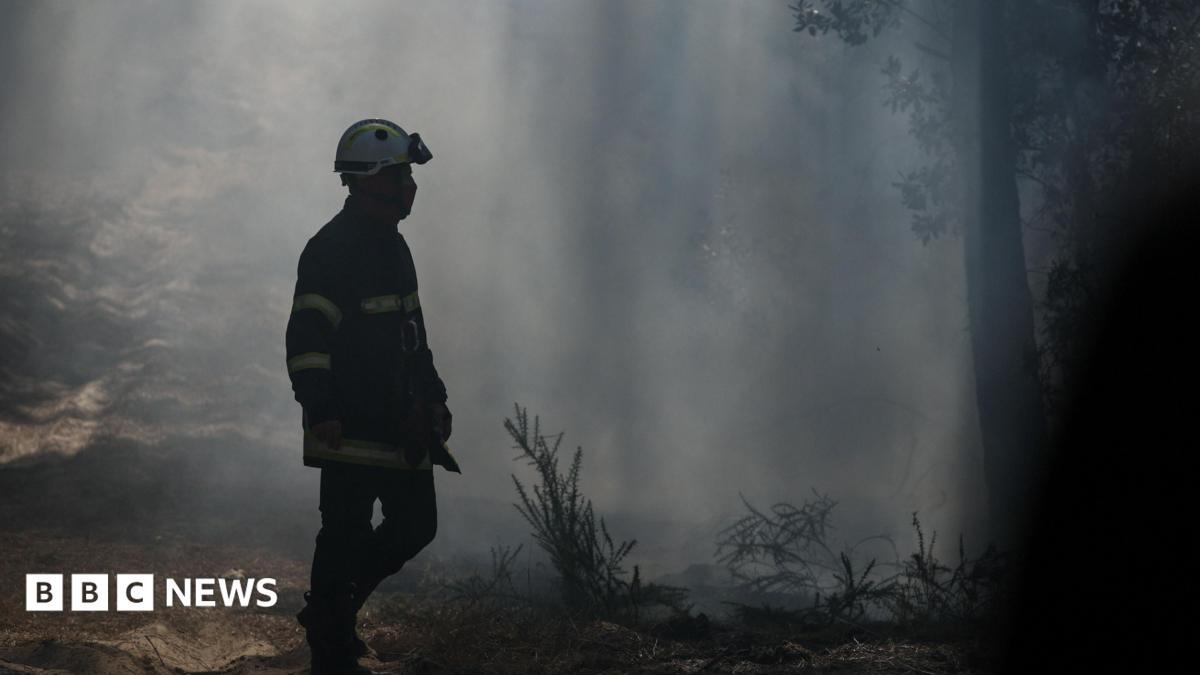
France’s picturesque Gironde region, renowned for its sprawling vineyards and Atlantic coastline, finds itself under siege once more. Devastating Gironde wildfires have flared with renewed ferocity, stretching exhausted firefighting crews to their absolute limits as a brutal 40C heatwave looms on the horizon, threatening to exacerbate an already catastrophic situation. This battle against the inferno is not merely a local struggle; it echoes a broader, urgent global conversation about understanding global climate trends and their dire consequences.
Eric Brocardi, spokesman for the national firefighters’ federation, grimly described the fight as “David against Goliath.” With four colleagues tragically lost across France in recent weeks, the deployment of 2,000 firefighters to the Gironde underscores the immense scale of this unprecedented challenge. For days, flames have ravaged the countryside, chewing through land between the famed city of Bordeaux and the coast, leaving behind a scarred, desolate landscape.
Battling the Blazes: The Human Cost of Gironde Wildfires
As summer’s fourth heatwave threatens to send temperatures soaring to a scorching 40C by Wednesday, local officials warn of “unfavourable weather conditions” that could reignite cooled embers and further spread the relentless fire. While Bordeaux, home to 260,000 residents, isn’t directly threatened at present, anxieties are palpable. Commander Rémi Lassoureille, spearheading the firefighting efforts, expressed deep concern for the western edge of the wildfire, fearing its impact on the metropolitan area.
Indeed, on Monday, one of the raging fires was a mere 15km (9 miles) from Bordeaux’s periphery. The city’s air quality has deteriorated dramatically, cloaking its riverside in a pall of deep grey smoke. “By Sunday evening everything had really begun to empty out,” recounted an Essex holidaymaker to the BBC, describing an “eerie” atmosphere thick with smoke and ash, forcing people indoors. The pervasive smell of smoke clung to clothes for days, she added, and even prompted restaurants in the Marché Chartrons square to close as ash descended.
Graham White, president of the Bordeaux British Community, noted the city’s unusual quietness, with shops, restaurants, and cafes “fairly empty.” He emphasized the extraordinary nature of the event, stating it was “something significant” he hadn’t witnessed in his years living there. President Emmanuel Macron, visiting the fire-scarred zone, declared it a “completely unprecedented wildfire,” calling it the “toughest since World War Two.” Health Minister Stéphanie Rist urged residents in affected zones to stay indoors, remaining “very vigilant” about air pollution.
Amid the chaos, the human toll is staggering. Tuesday morning saw the Gironde prefect ordering a fresh evacuation of all coastal camping sites near Lacanau, adding to the staggering 220,000 individuals already displaced across France. Officials confirm an estimated 240 homes have been consumed by the inferno. By midday, firefighters were already battling new flare-ups across the region, a testament to the fire’s unpredictable and relentless nature.
Adding to the grim reality, a 23-year-old man was arrested in the Var region on suspicion of arson, now facing a potential 15-year imprisonment. Peggy Plouhinec, director of Château Picque Caillou, one of the few wine estates west of Bordeaux, lamented the desertion of tourists. Though her vineyards remained safe, the hospitality sector faces “unprecedented” losses this summer. “Many people have lost their homes or their businesses,” she reflected, highlighting the immense exhaustion among the dedicated firefighters.
A resident from the evacuated Cap Ferret articulated a poignant sentiment: “Everyone talks about saving Bordeaux, but in Bordeaux there’s nothing but concrete. Here, there are only trees… and when you see all that has burned, it’s a catastrophe.” The Gironde wildfires are not just a regional crisis; they are a stark reminder of our planet’s escalating vulnerability.