
Turkiye and Iraq sign one-year oil pipeline deal amid global shift
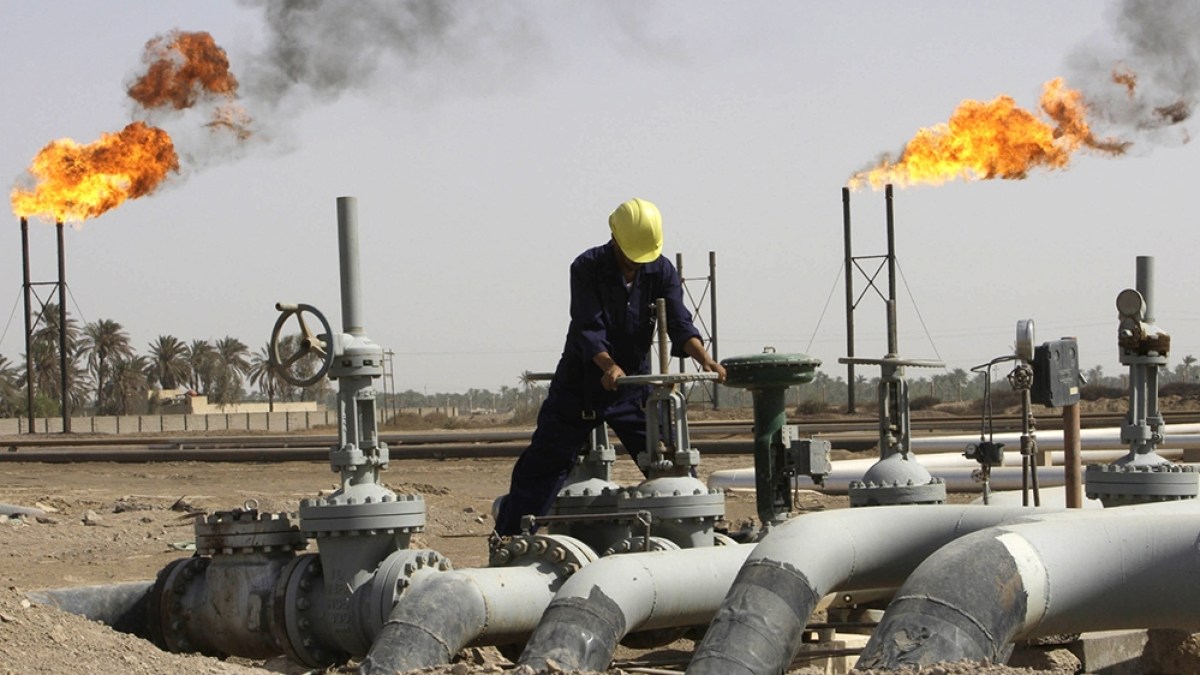
A pivotal, one-year Iraq Turkiye oil deal has been formally cemented between Ankara and Baghdad, promising to stabilize crude oil flows crucial for both nations and global energy markets. This agreement, ensuring a consistent transit of 750,000 barrels per day (bpd) through the vital Kirkuk-Ceyhan pipeline, comes at a time of pronounced volatility in regional energy dynamics. Officials confirm the renewed pact, which secures essential revenue for Iraq and a key energy corridor for Turkiye.
The deal, signed by Turkish state firm BOTAS and Iraq’s state oil companies SOMO and NOC, restores a longstanding bilateral arrangement that had lapsed just days prior. Turkish Energy Minister Alparslan Bayraktar hailed the signing as the culmination of a “productive meeting” in Ankara with his Iraqi counterpart, Bassem Mohammed Khudair. While a more expansive, long-term framework remains under discussion, this immediate transit arrangement provides much-needed continuity.
Iraqi Prime Minister Ali al-Zaidi lauded the development as an “important strategic milestone,” highlighting the collaborative spirit between the two governments. Beyond crude oil, discussions are ongoing to forge a comprehensive framework covering electricity, water resources, and broader areas of economic cooperation. This holistic approach signals a deepening of ties following a recent top-level visit by al-Zaidi to Ankara, underscoring a shared commitment to regional stability and mutual benefit.
The Strategic Importance of the Iraq Turkiye Oil Deal
This particular Iraq Turkiye oil deal gains even greater strategic weight given recent upheavals in global oil markets. Earlier this year, the effective closure of the Strait of Hormuz by Iran forced Baghdad into a frantic search for alternative export routes. Disruptions to shipments through the Persian Gulf saw Iraqi oil exports plummet by over 80 percent, with monthly revenues collapsing from approximately $6 billion to under $2 billion after escalating geopolitical tensions. The Kirkuk-Ceyhan pipeline, therefore, represents Baghdad’s sole operational oil export channel to the Mediterranean, providing a critical lifeline.
Despite its maximum capacity of 1.5 million bpd, the Iraq-Turkiye pipeline has seen actual flows significantly below this potential. Turkish data indicates current transit at merely 170,000 bpd, predominantly from fields within Iraq’s Kurdistan region, which have themselves faced persistent security threats. However, this renewed Iraq Turkiye oil deal is a step towards maximizing the pipeline’s utility and resilience. Ankara harbors ambitions to eventually extend the pipeline’s reach to include crude from Iraq’s southern fields, an objective both sides are actively discussing as they work towards a more enduring accord. Understanding the complex global energy market trends helps contextualize the significance of such regional agreements.