
Ebola virus behind massive outbreak in DRC could be mutating, officials say
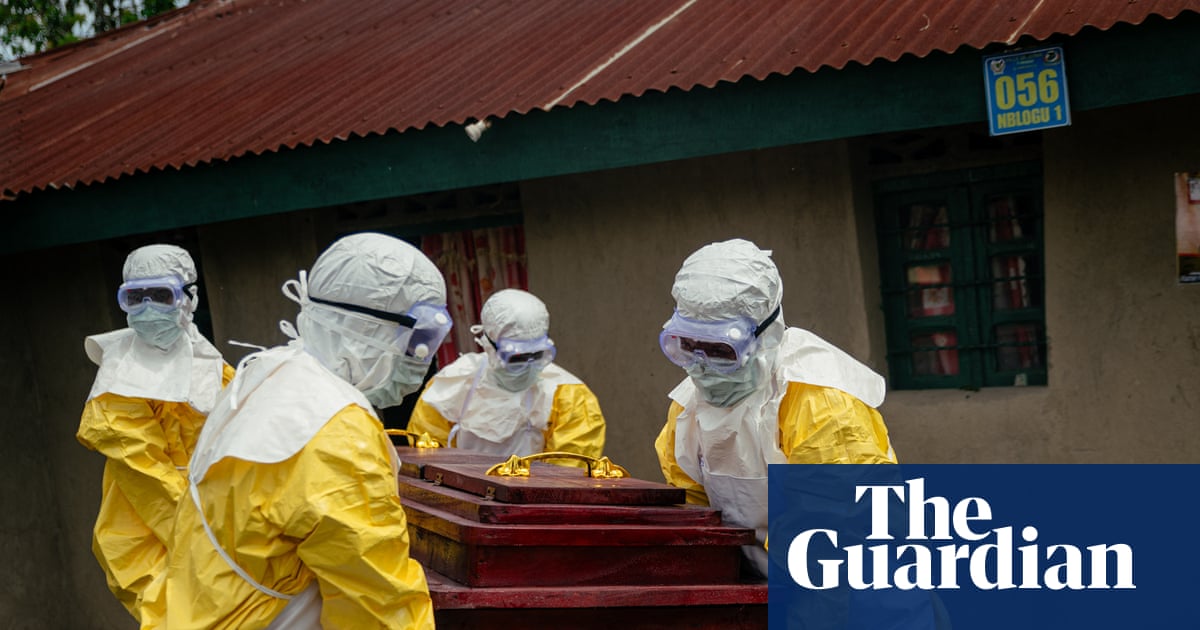
A terrifying specter now haunts the Democratic Republic of Congo: fears are mounting that the devastating Ebola outbreak in DRC could be mutating, a development that would dramatically complicate containment efforts. As confirmed cases tragically surge past the 4,000 mark, health officials and international watchdogs are scrambling to escalate their response, fearing an unprecedented challenge from a familiar foe.
This particular Ebola outbreak, driven by the Bundibugyo strain, was officially identified on May 15th, though experts suspect it may have been silently spreading since January. The latest figures from the DRC’s national public health institute reported 3,973 cases and 1,801 deaths as of August 4th, with Africa Centres for Disease Control and Prevention (Africa CDC) Director General, Dr. Jean Kaseya, confirming cases have now exceeded 4,000.
Indeed, this is not just another health crisis; it stands as the second-largest Ebola outbreak ever recorded. The sheer scale is staggering: compared to the 2014-18 West Africa outbreak at its 11-week mark, this current one already boasts eight times more cases and six times more fatalities. Dr. Kaseya has revealed discussions with The World Health Organization Director General, Dr. Tedros Adhanom Ghebreyesus, about conducting studies to ascertain whether the virus is undergoing mutations, given the “unprecedented” severity of this particular Bundibugyo strain.
Scaling Up Against the Ebola Outbreak DRC
Alarmingly, over two-thirds of Ebola-related deaths are occurring within communities, far from controlled treatment centers. Furthermore, in facilities like the MSF center in Bunia, a staggering 90% of admitted patients weren’t on official contact lists, painting a grim picture of widespread, untracked transmission. Dr. Kaseya sharply criticized the current contact tracing efforts in the DRC, noting that only about 10 contacts are identified per patient, a stark contrast to the expected 40.
In response to this dire situation, Africa CDC’s acting head of emergency preparedness, Dr. Wessam Mankoula, announced a pivotal shift: from passive contact tracing to an aggressive “active case search.” This initiative involves community health workers systematically going “door to door,” actively seeking out individuals exhibiting Ebola symptoms. “The time for incremental action is over,” Dr. Mankoula asserted, signaling a comprehensive scaling-up of operations.
This comprehensive strategy for the Ebola outbreak DRC will also embrace a “village-centered response,” integrating local communities, leveraging digital tools for better monitoring, and extending support to internally displaced persons affected by conflict in the impacted provinces. Additionally, officials are planning to introduce antiviral remdesivir for compassionate use treatment and evaluate the efficacy of the Ervebo vaccine – typically used against a different strain – for its potential application in this specific Bundibugyo variant, especially after promising data emerged suggesting reduced severity among those jabbed.
The ongoing crisis has not only devastated health but also crippled essential services. UNICEF has highlighted a dramatic disruption in routine healthcare, with fear of infection keeping families away from clinics. In Mongbwalu, a mining town at the outbreak’s epicenter, first measles vaccination rates for children have plummeted by 69%. Meanwhile, authorities are urgently investigating a suspected Ebola death on a vessel bound for Kinshasa, underscoring the relentless spread and unpredictable nature of this deadly disease.