
Hormuz talks positive, Oman says, as Iran warns deal would not open strait
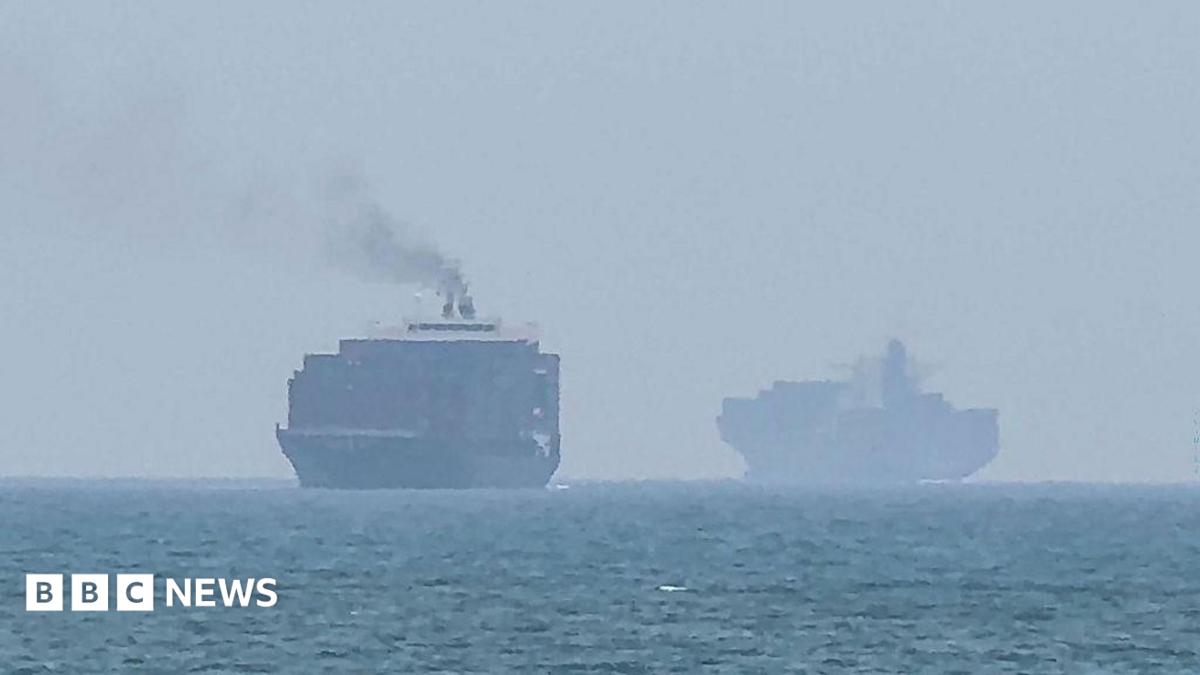
The delicate dance of diplomacy surrounding the Strait of Hormuz continues, with Oman signaling ‘positive talks’ with Iran. Yet, Tehran quickly tempered expectations, issuing a stark warning: any prospective agreement would not guarantee the immediate reopening of this globally critical maritime artery. The world watches with bated breath.
Discussions held over the weekend hinted at forward movement, though a concrete timeline for any finalized deal remains elusive. Oman’s foreign ministry, ever cautious, underscored the imperative of preventing further attacks on shipping that could derail these fragile negotiations. Iranian Foreign Minister Abbas Araghchi, while confirming talks were in their final stages, was unambiguous: the strait’s full reopening is contingent upon ‘other conditions’ being satisfied.
The Intricate Conditions for Strait of Hormuz Reopening
Tehran has maintained an effective blockade of the vital waterway, the Strait of Hormuz – through which an astonishing fifth of the world’s oil and natural gas typically flows – since hostilities erupted in February following what Iran describes as attacks by the US and Israel. Recent discussions have explored the establishment of a new, jointly managed shipping route between Iran and Oman, a proposal intended to facilitate the resumption of commercial traffic.
However, Araghchi’s assessment of the ‘other conditions’ was brief but pointed. He elaborated that these include Iran receiving compensation from the United States for perceived breaches of a June Memorandum of Understanding (MoU), an accord initially designed to halt fighting and advance peace talks. Regrettably, that MoU rapidly unraveled, with tit-for-tat attacks resuming mere days after its signing.
Adding another layer of complexity, Mohammad Baqer Zolqadr, Iran’s security chief, informed the Tasnim news agency that the Strait of Hormuz would remain inaccessible until the US ‘corrects’ its behavior. He outlined six specific demands from Iran, encompassing an end to threats, the lifting of a naval blockade on Iranian ports, and the release of frozen Iranian assets. Concurrently, Yemen’s Iran-backed Houthis have maintained a separate blockade on Saudi Arabia’s Red Sea ports since July 20.
While US President Donald Trump optimistically hinted at an imminent deal earlier this week, Vice-President JD Vance expressed a more measured view on Saturday. Speaking to Fox News, Vance conceded progress but emphasized, ‘We’re really in the middle of the game here. This thing is not over.’ He affirmed Washington’s deployment of a ‘whole host of tools – diplomatic, economic [and] military’ to secure a favorable outcome. Vance asserted that oil flow from the Gulf would remain constant, though he offered no specifics on this claim, noting the current focus on developing a secure ‘traffic scheme’ for vessels.
A significant sticking point has been Iran’s reported intention to levy a fee on passing vessels. Reuters previously cited an Iranian official suggesting Tehran sought charges ranging from 5% to 7% of cargo prices. Vance, however, downplayed these reports, stating, ‘The Iranians have told us they have no plans to toll the Strait of Hormuz.’
The Omani warning against maritime attacks coincided with a chilling report from the United Arab Emirates (UAE). The UAE claimed on Saturday that Iran had targeted an Adnoc tanker with a missile as it transited the strait. Miraculously, no casualties were reported. Later that day, the UK Maritime Trade Operations (UKMTO) agency independently reported a ship struck by an ‘unknown projectile’ off the Omani coast, sparking a fire that was subsequently extinguished, again without casualties. It remains unclear if the UAE and UKMTO reports describe the same incident. Navigating the treacherous waters of the Middle East, particularly concerning international shipping regulations, demands extreme caution and vigilance.