
Saudi Arabia shuts key oil pipeline after drone attack launched from Iraq
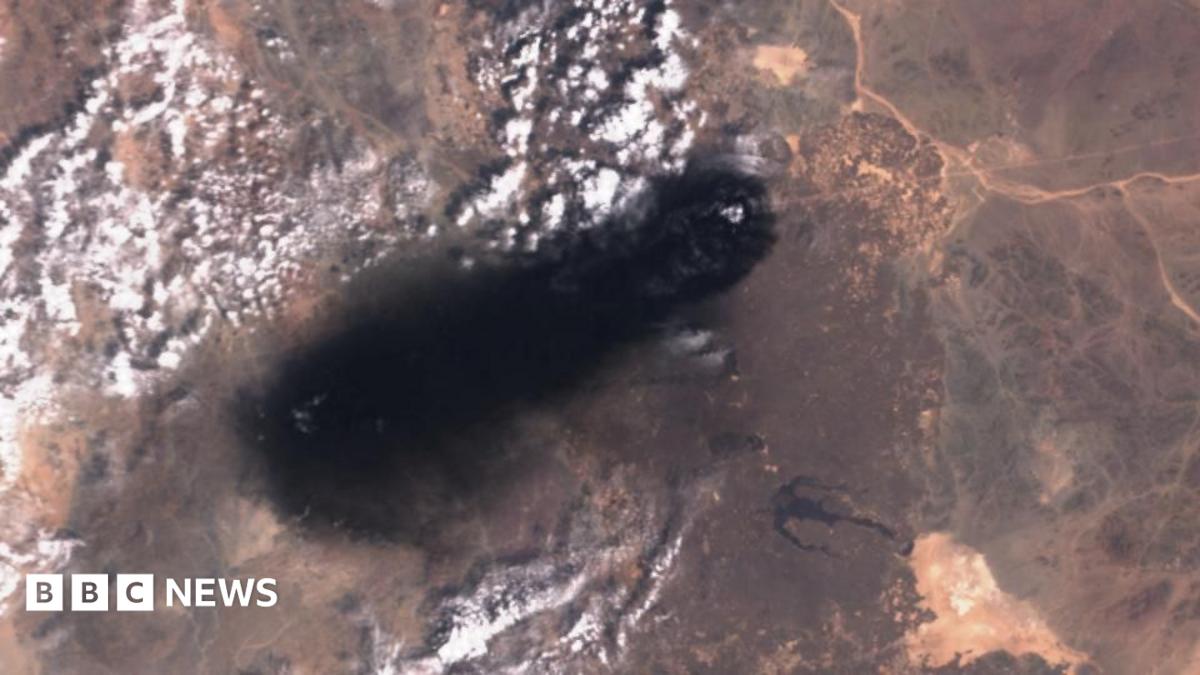
Riyadh finds itself at the epicenter of escalating Middle East tensions following a devastating drone assault that forced the closure of a pivotal crude artery. The recent Saudi Oil Pipeline Attack, launched from Iraqi territory, has not only inflicted damage but has also sent reverberations across global energy markets, pushing crude prices past the crucial $100 per barrel mark for the first time in months. This alarming incident underscores the region’s volatile landscape, where geopolitical rivalries continue to threaten vital global supply chains.
The 1,200km (745-mile) East-West pipeline, a strategic bypass for Saudi Arabia’s immense oil exports around the congested Strait of Hormuz, ceased operations immediately after the strike. Satellite imagery released by Copernicus Sentinel-3/Reuters paints a stark picture of blackened earth and plumes of smoke near the impact sites, a grim testament to the precision and impact of the drone attack. While initial assessments are ongoing, the Saudi foreign ministry confirmed injuries and substantial damage to the critical infrastructure.
Escalation: The Saudi Oil Pipeline Attack and Broader Conflict
The attack’s origin was quickly traced to Iraq’s Maysan governorate, a province bordering Iran. In a swift, decisive move to de-escalate, Baghdad admitted the drones had indeed originated from its soil. The Iraqi prime minister’s office promptly announced the removal of the operations commander in Maysan and initiated a full-scale investigation. This immediate response highlights the delicate diplomatic tightrope nations in the region often walk, particularly as the protracted US-Iran war continues to cast a long, ominous shadow.
This pipeline is more than just a conduit for oil; it’s a linchpin in global energy security. Shifting an estimated 4% to 5% of the world’s daily oil supply, its temporary shutdown prompts immediate concern for stability in international crude markets. The very existence of the East-West pipeline offers Riyadh an alternative to the Strait of Hormuz, an essential maritime route that has frequently been at the heart of regional disputes and geopolitical maneuvering. Any disruption there, or to its alternatives, inevitably fuels anxiety among energy importers worldwide.
Houthi Advance Intensifies Regional Pressure
Compounding the anxieties surrounding the pipeline attack is the dramatic advance by Iranian-backed Houthi rebels in Yemen. In a lightning offensive, the militant group has reportedly seized control of vast swathes of Yemen’s coastline, including strategic positions near the Bab al-Mandab Strait. This narrow waterway, a critical maritime chokepoint connecting the Red Sea to the Gulf of Aden and onward to the Suez Canal, is indispensable for global trade. The Houthis claim to have secured control of the strait, asserting that while general maritime navigation remains safe, Saudi vessels are now targeted. This development further squeezes global oil shipping routes from both sides of the Arabian Peninsula, amplifying fears of broader regional instability. For more details on the Houthi’s strategic gains, you can read about the Saudi-Houthi fighting in Yemen escalates.
The Gulf Co-operation Council (GCC), comprising Saudi Arabia, the UAE, Bahrain, Oman, Qatar, and Kuwait, swiftly condemned the assault. Jasem Mohamed Albudaiwi, the secretary general, articulated the collective outrage, stating, "This attack represents a dangerous escalation and an unacceptable threat to the security of the Kingdom of Saudi Arabia, its territorial integrity, and its vital installations, as well as a flagrant violation of the principles of international law." The unified stance from the GCC signals a robust regional commitment to protecting shared interests and infrastructure.
Economic Fallout and Geopolitical Ripple Effects
Despite the severity of the Saudi Oil Pipeline Attack, Riyadh has opted for a cautious, non-retaliatory approach for now, accepting Iraq’s pledge to prevent future aggressions from its territory. However, Saudi Arabia’s foreign ministry issued an unequivocal statement: "The Kingdom of Saudi Arabia affirms that it reserves its right to take all necessary measures to safeguard its sovereignty and security, protect its facilities, and ensure the safety of its citizens and residents." This calculated response aims to allow for diplomatic resolution while firmly asserting its right to self-defense.
The immediate surge in global oil prices to over $100 a barrel is a direct consequence of this double whammy – the pipeline attack and the Houthi advances. Such volatility underscores how swiftly regional conflicts can translate into tangible economic impacts for consumers and businesses worldwide. Analysts are now closely watching the extent of damage and the duration of the pipeline’s closure, as well as any further developments in the Bab al-Mandab, to gauge the long-term implications for global supply and prices. The delicate balance of power, coupled with the interconnectedness of global energy systems, means that an attack in one corner of the Middle East can trigger a cascade of effects across continents.
As the international community grapples with the fallout, the Saudi Oil Pipeline Attack stands as a stark reminder of the fragile peace and persistent dangers lurking beneath the surface of the Middle East. Ensuring the security of critical energy infrastructure and finding pathways to de-escalation are paramount to averting a deeper crisis with far-reaching global consequences.