
Only 1.2% Of NCR Vehicles, But 3.3% Of PM Emissions: Pollution Panel Shifts Focus To Goods Fleet
NEW DELHI – In a significant move aimed at combating the perilous air quality crisis plaguing the National Capital Region (NCR), the Commission for Air Quality Management (CAQM) has announced sweeping restrictions on the registration of new Light Goods Vehicles (LGVs). This decisive action, effective from January 1, 2027, for Delhi, targets a disproportionately high contributor to particulate matter emissions, signaling an aggressive pivot towards cleaner urban logistics and a healthier future for millions.
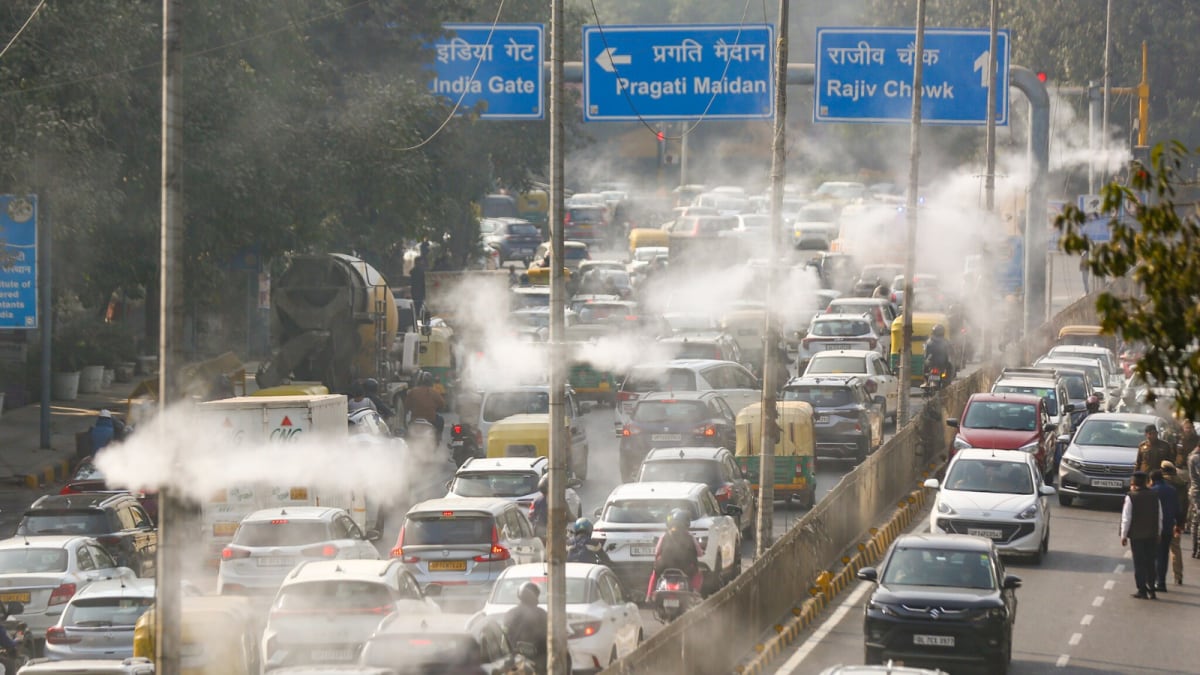
For years, the NCR has grappled with alarming levels of air pollution, particularly during the harsh winter months when a thick, noxious smog often blankets the region. Vehicular emissions, often cited as a primary culprit, contribute significantly to the overall PM2.5 load – approximately 23 percent in winter and 18 percent in summer. Now, the spotlight has been cast squarely on Light Goods Vehicles, which, despite comprising a mere 1.2 percent of the active vehicle fleet in the NCR, are responsible for a startling 3.3 percent of the region’s Particulate Matter (PM) emissions. This figure surges to an even more concerning 5.1 percent within Delhi’s bustling confines, dwarfing their contribution in other NCR districts like Gurugram and Noida.
Phased Restrictions on Light Goods Vehicles Begin 2027
The stringent new regulations, which stem from the recommendations of an Expert Committee constituted by the CAQM in December 2025, outline a meticulously phased transition away from conventional fossil-fueled LGVs. Beginning January 1, 2027, the national capital will cease to register new diesel, petrol, or CNG-powered LGVs under Category N1 (weighing 3.5 tons or less). This restriction will subsequently extend to high-vehicle density districts such as Gurugram, Faridabad, Sonipat, Ghaziabad, and Noida from July 1, 2027, before encompassing the remaining NCR districts by January 1, 2028.
The regulatory net expands further for heavier LGVs. Category N2 vehicles, weighing between 3.5 to 7.5 tons, will face similar registration bans in Delhi from January 1, 2028. Six months later, on July 1, 2028, these prohibitions will apply to Gurugram, Faridabad, Sonipat, Ghaziabad, and Gautam Buddha Nagar, culminating in a region-wide implementation across all NCR districts by January 1, 2029.
Why the Focus on Goods Fleet?
CAQM Member-Secretary Tarun Kumar Pithode elucidated the rationale behind this targeted approach. “The burgeoning demand driven by the rapid expansion of e-commerce, intricate logistics networks, courier services, FMCG distribution, and general urban goods movement has significantly amplified the presence and usage of these vehicles,” Pithode stated. The committee found that the higher utilization rates and inherent emission intensity of these vehicles lead to a disproportionate contribution to air pollution. This plan is designed to proactively guide LGV sales towards cleaner technologies, thereby preventing a long-term accumulation of high-emitting vehicles that would exacerbate the region’s chronic air quality woes. The unchecked addition of diesel-powered goods vehicles could otherwise negate broader pollution control efforts.
The escalating health crisis attributed to deteriorating air quality, particularly the insidious presence of PM2.5 particles that penetrate deep into the lungs, demands such resolute measures. Scientists and environmentalists have repeatedly highlighted the urgent need to address all significant sources of particulate matter, and this latest directive underscores the commitment of the CAQM to a multi-faceted battle against atmospheric degradation.
Beyond Vehicles: A Holistic Approach to Cleaner Air
The CAQM’s mandate extends beyond vehicular emissions. The commission has also intensified its oversight of stone crusher units, which, according to previous studies, contributed approximately 2 percent to PM2.5 and 3 percent to PM10 concentrations in Delhi during the 2016 winter. New directives, effective November 1, mandate that the Delhi Pollution Control Committee (DPCC) and State Pollution Control Boards enforce the Central Pollution Control Board’s (CPCB) 2023 dust-mitigation guidelines for all stone-crushing operations.
Furthermore, authorities are tasked with establishing and operationalizing sophisticated, tech-enabled systems for continuous remote monitoring of compliance by these units. The goal is to move beyond mere periodic inspections, ensuring that all such units are meticulously registered and adhere to environmental standards through real-time data. Existing ‘Consent to Operate’ (CTO) certificates must be amended to incorporate these new conditions, which will also be compulsory for all new and renewed CTOs.
The impact of these LGV restrictions on daily deliveries, especially for the burgeoning quick commerce and food delivery sectors, is anticipated to be managed. Experts suggest that the already significant adoption of electric vehicles within hyperlocal logistics networks will mitigate immediate disruptions. However, the true long-term effect will hinge on the full scope of implementation – whether these rules apply solely to new vehicle inductions or eventually extend to the entire active fleet. Electric vehicles (EVs) are being vigorously promoted as the primary cleaner alternative, with CNG also serving as an intermediate cleaner fuel, albeit one that still contributes to PM2.5 pollution. This regulatory framework is expected to accelerate the transition to electric goods vehicles, fundamentally reshaping urban logistics in the Delhi-NCR region for a cleaner, healthier future.