
UP Rains Turn Deadly Amid Monsoon Withdrawal: 56 Dead, Rainfall 775% Above Normal
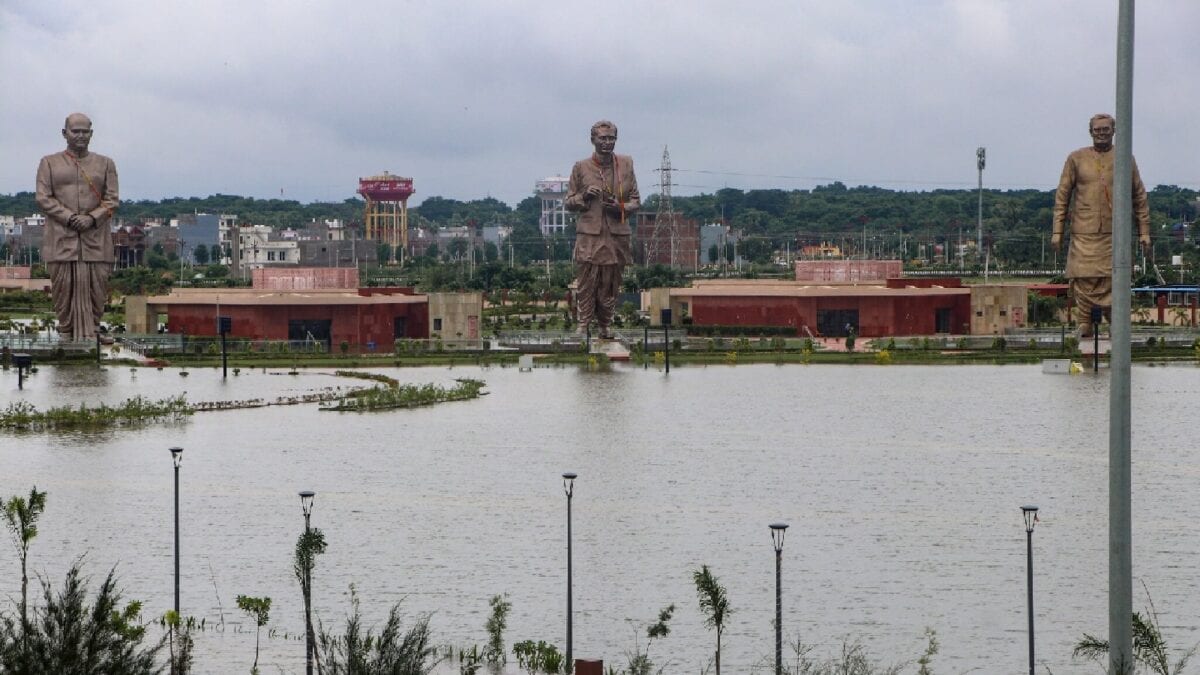
The state of Uttar Pradesh is currently reeling from a weather event of catastrophic proportions as unexpected, torrential downpours have turned streets into rivers and left thousands in desperate need of aid. With recent reports confirming a tragic toll of 56 deaths, the region is struggling to cope with the aftermath of what meteorologists describe as an extreme anomaly during the monsoon withdrawal period. The sheer scale of this Uttar Pradesh rain event has stunned residents and officials alike, forcing a massive, state-wide emergency response.
According to data from the state Relief Commissioner, the intensity of the precipitation reached historic levels. Between September 25 and the morning of September 27, the region received 66.5 mm of rain. To put this in perspective, the normal expectation for this specific three-day window is a mere 7.6 mm. This staggering surplus, resulting in rainfall 775% above normal, has affected 56 of the state’s 75 districts. You can find more context on the broader weather patterns in northern India here.
The Human and Economic Cost of Unprecedented Uttar Pradesh Rain
Beyond the loss of human life, the infrastructure damage is significant. More than 1,000 homes have been partially or fully destroyed, leaving families displaced and without shelter. The agricultural sector, which forms the backbone of the state’s economy, faces potential long-term devastation as crops across central and eastern districts remain submerged. Local livestock has also suffered heavily, with over 100 animal deaths reported in a matter of days.
Hardoi has emerged as one of the hardest-hit areas, reporting 272 damaged homes and 28 animal fatalities. Other districts, such as Sitapur, Kannauj, and Shahjahanpur, have recorded rainfall deviations that defy previous weather records. While immediate search and rescue operations are the priority, the looming challenge is the administration’s ability to distribute compensation and provide sustainable shelter for the displaced. The government is also grappling with the logistics of recovery, similar to the organizational hurdles seen in other international disaster relief efforts.
Government Response and Relief Protocols
Relief Commissioner Dr. Hrishikesh Bhaskar Yashod has been vocal about the need for swift intervention. District magistrates have been instructed to conduct on-the-ground assessments to ensure that financial aid reaches those who need it most. Officials are currently utilizing the 1070 helpline to streamline communication and emergency dispatch. However, the true test of governance lies in the speed of the distribution process. As the monsoon continues to withdraw, the state must remain vigilant against secondary hazards like waterborne diseases and the threat of further structural instability in flood-stricken zones.
For the citizens of Uttar Pradesh, this period of heavy rain serves as a somber reminder of the increasing volatility of seasonal weather systems. As recovery teams navigate the waterlogged landscape, the focus shifts toward preventing further loss and ensuring the agricultural heartland can eventually bounce back from this severe interruption.