
Prince Harry quits board of wildlife charity after rangers’ human rights abuses
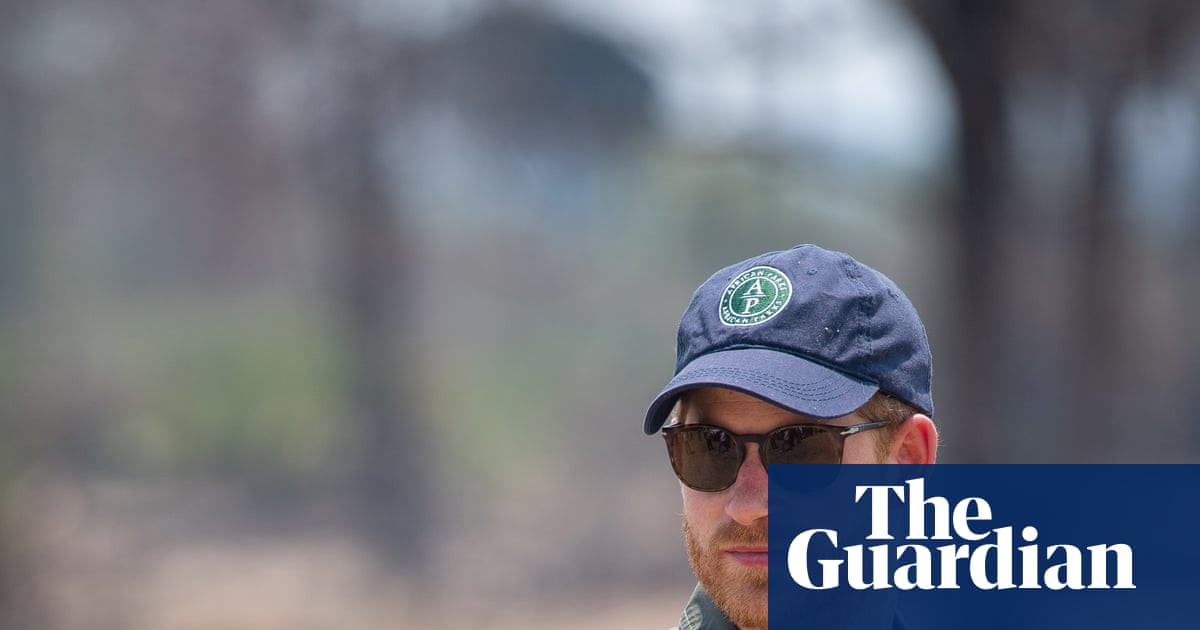
In a significant development that underscores the complex interplay between conservation efforts and human rights, Prince Harry has officially stepped down from the board of African Parks, a prominent wildlife charity. This decision follows a period of intense scrutiny and an independent review that uncovered disturbing allegations of human rights abuses committed by the charity’s rangers in the Republic of the Congo. The Duke of Sussex’s departure from the board, where he had served as a trustee, brings to the forefront critical questions about accountability in global conservation initiatives.
For nearly a decade, Prince Harry has been an impassioned advocate for African wildlife, lending his royal influence to crucial biodiversity protection efforts across the continent. His involvement with African Parks, initially as its president for six years before transitioning to a board member in 2023, was a cornerstone of his public commitment to conservation. A spokesperson for the Duke reaffirmed his enduring dedication to the cause, stating that he “remains an active and avid supporter” of African Parks’ overarching mission, despite no longer holding a formal governance role.
The Allegations Surrounding Prince Harry Charity
The controversy first erupted with distressing reports detailed in a 2024 article by the Mail on Sunday. This publication brought to light severe accusations from members of the Baka community, an Indigenous group. These individuals alleged that rangers working for African Parks engaged in horrific acts including beating, waterboarding, and sexual assault. The purported aim of these abuses was to prevent local populations from accessing their ancestral lands, which had been designated as conservation areas within the Odzala-Kokoua National Park.
African Parks, which manages over 20 million hectares across 13 African nations in collaboration with governments and local communities, launched an independent investigation into these grave claims. The findings, subsequently published by the charity, acknowledged that human rights abuses had indeed occurred within the Odzala-Kokoua National Park. In response, the organization asserted that it had taken steps to strengthen its safeguarding processes, both at the park level and across its institutional framework. This acknowledgment, however, did little to quell the outrage from human rights advocates.
Indigenous Rights and Conservation’s Ethical Dilemma
The incident at Odzala-Kokoua National Park throws a harsh spotlight on the contentious debate surrounding ‘fortress conservation’ – a model that prioritizes the exclusion of human populations from protected areas, often at the expense of Indigenous communities whose lives and livelihoods are intricately linked to these lands. Critics argue that such approaches can lead to violent conflict and profound injustices, undermining the very principles of sustainable development and ethical engagement.
Survival International, a global human rights charity campaigning tirelessly for the rights of Indigenous peoples, had been vocal in its call for Prince Harry to sever his ties with African Parks. Caroline Pearce, the executive director of Survival International, didn’t mince words, expressing that it was “outrageous that for 10 years the Prince has served African Parks” amidst such allegations. She emphasized that his departure, while notable, does not absolve the charity itself from accountability, urging a fundamental shift away from exclusionary conservation models. For any organization, especially those with high-profile patrons, transparency and a proactive approach to addressing misconduct are paramount, echoing the broader societal demand for accountability, whether in government or charitable sectors, as seen in discussions around figures like other public officials facing scrutiny.
African Parks, for its part, extended “deep gratitude” to the Duke, recognizing his significant contributions over his 10-year tenure. They highlighted his role in bringing global attention to the urgent need for biodiversity protection and promoting philanthropy for conservation in Africa, noting his support for a massive elephant translocation in Malawi in 2016. The organization reiterated that his commitment to conservation remains unwavering, and he continues to be a strong supporter of their work.
The Broader Context: A Royal Transition
This news emerges as the Duke and Duchess of Sussex reportedly prepare for an extended stay in the UK, relocating from California with their children, Prince Archie and Princess Lilibet. While the duration of their stay remains unconfirmed, their children are said to be enrolled in British schools. Concurrently, Meghan, the Duchess of Sussex, has been the subject of media speculation regarding potential acting roles, further signaling a period of significant personal and professional transition for the couple.
The saga involving Prince Harry and African Parks serves as a potent reminder that the pursuit of noble goals, such as wildlife conservation, must always be tethered to unwavering ethical standards and a profound respect for human dignity. As the world grapples with escalating environmental crises, the imperative to protect our planet’s biodiversity must never come at the cost of the fundamental rights and well-being of its most vulnerable human inhabitants. The controversy surrounding the African Parks charity will undoubtedly fuel ongoing discussions about how best to achieve conservation goals equitably and sustainably, ensuring that local communities are not merely tolerated, but are integral partners in these vital efforts.