
Babies born to anaemic mothers have smaller brains, study finds
A groundbreaking study has unveiled a concerning link between maternal anaemia during pregnancy and significantly smaller brain volumes in infants. This critical research, spearheaded by King’s College London and the University of Cape Town, suggests that the repercussions extend far beyond mere physical well-being, potentially impacting a child’s long-term cognitive development and emotional regulation. The findings send a stark warning, particularly given that over a third of pregnant women globally contend with this often-underestimated condition.
The Silent Impact of Maternal Anaemia on Developing Brains
The study, which meticulously tracked over 300 mothers and their babies in Cape Town, employed advanced neuroimaging techniques to scan infant brains multiple times between the ages of three months and two years. What emerged was a startling pattern: babies born to anaemic mothers exhibited a total brain volume that was, on average, 4% lower than their counterparts born to non-anaemic mothers. Crucially, this held true even when mothers were diagnosed with only a mild form of anaemia. Such a revelation underscores that even seemingly minor health issues during gestation can have profound, lasting effects.
Researchers pinpointed specific brain regions where these differences were most pronounced: the putamen, caudate nucleus, and corpus callosum. These areas are far from peripheral; they are deeply intertwined with fundamental neuropsychological functions. Jessica Ringshaw, the study’s lead author from King’s Institute of Psychiatry, Psychology & Neuroscience (IoPPN) and the University of Cape Town, emphasized their roles in processing speed, the intricate regulation of emotions, and vital executive functions. Disturbingly, the volumetric disparities in these regions, such as the corpus callosum, were observed to widen rather than diminish over the first two years of life, growing from approximately 4% smaller at 12 months to 6% by 24 months.
Long-Term Cognitive Shadows
The implications of these persistent brain differences are weighty. Ringshaw highlighted that this isn’t a scenario where children simply “catch up” over time. Earlier parallel research in South Africa involving toddlers and school-age children revealed comparable and enduring brain volume variations. “These aren’t children who are catching up, where the brain differences are disappearing over time,” Ringshaw stated with a sobering tone. “They are still there when the children are six years old and going to school, and when these things might then start translating into more noticeable cognitive difficulties.” This provides a compelling, physiological explanation for previous studies that have shown children born to anaemic mothers often score lower on developmental assessments.
The research team took great care to control for confounding variables. Ringshaw confirmed that mothers in both groups—those with and without anaemia—were remarkably similar across socio-economic indicators like household income and food security. This meticulous control strengthens the confidence in the conclusion that maternal anaemia is indeed the causative factor behind the observed brain differences.
A Pressing Global Health Challenge
Anaemia, typically stemming from iron deficiency, manifests when the body lacks sufficient red blood cells. Its symptoms—fatigue, breathlessness, and dizziness—are often dismissed or attributed to the general discomforts of pregnancy. Yet, the condition affects more than a third of pregnant women worldwide, with prevalence skyrocketing in regions like sub-Saharan Africa and South Asia. Despite the World Health Organization (WHO) identifying anaemia reduction as a key priority, progress has lamentably stagnated over the past two decades, as evidenced by reports from the global health body. This inertia in tackling such a pervasive issue is now seen to have far more serious consequences than previously understood.
The causes of anaemia are multifaceted, extending beyond simple nutritional deficits. Ringshaw pointed out that infectious diseases can also play a significant role. The study itself noted higher rates of anaemia among women living with HIV, underscoring the need for integrated health strategies. This complex interplay of factors, from malnutrition to co-existing health challenges, mirrors the broader struggles many nations face in managing public health crises. For instance, the ongoing battle against infectious diseases like Ebola, as seen in reports like “Over 6,000 Ebola cases confirmed in DRC as death toll nears 3,000,” highlights the interconnectedness of global health threats and their disproportionate impact on vulnerable populations, including pregnant women.
The Way Forward: Screening, Intervention, and Innovation
These compelling findings unequivocally underscore the urgent need to prioritize and aggressively address maternal anaemia in women of reproductive age, particularly during pregnancy. Ringshaw advocates for widespread screening for both anaemia and iron deficiency, coupled with appropriate interventions ranging from oral iron supplementation to, where necessary, intravenous iron therapies. “Now more than ever, anaemia needs to be placed at the forefront of public health efforts if we are to ensure that children are not only surviving but thriving,” she passionately urged.
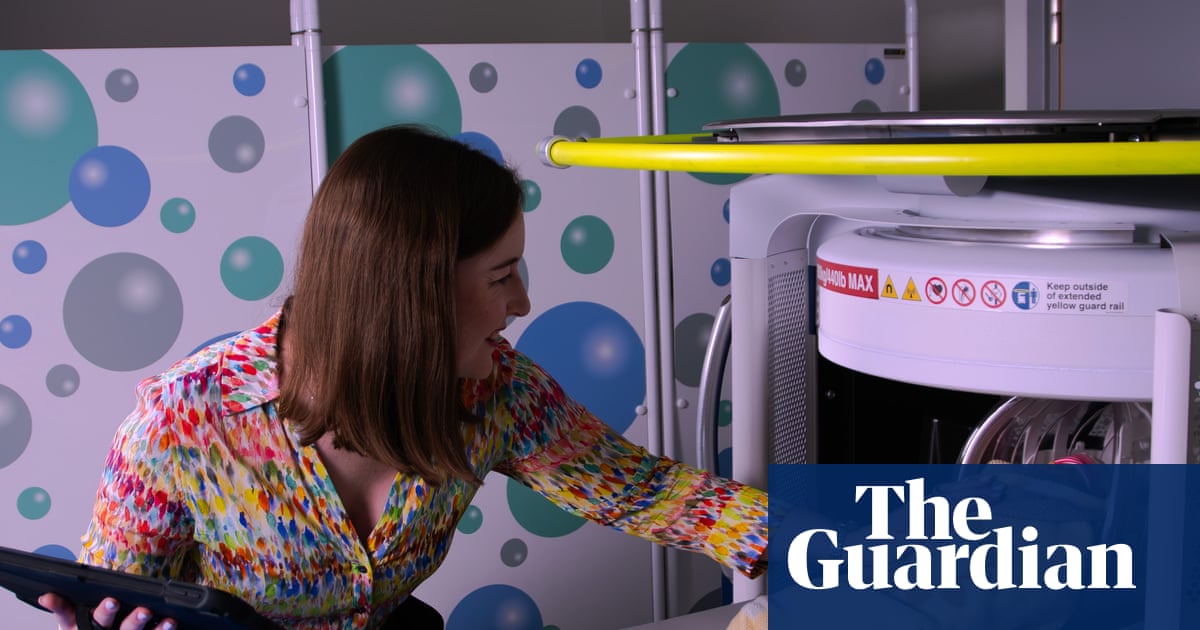
Adding another layer of significance to this research is the innovative use of new, portable MRI scanners. Unlike their cumbersome, expensive conventional counterparts, these “low-field” machines offer a game-changing advantage. The study successfully demonstrated that these portable devices are sensitive enough to detect the subtle yet critical differences in infant brains, opening doors for scalable research and early intervention assessments in challenging, resource-limited environments globally. Steve Williams, professor of neuroimaging at King’s, praised this technological leap: “This study has proved that our novel technology can measure the impact of malnutrition on the developing brain, at scale, in some of the most challenging environments. This will provide an early, sensitive assessment of planned interventions.” This technological advancement promises to democratize neuroimaging research, ensuring that critical data can be collected where it’s most needed, thereby accelerating progress in child health worldwide.