
Trump’s import bans on Canadian liquor, whey, motorcycles take effect
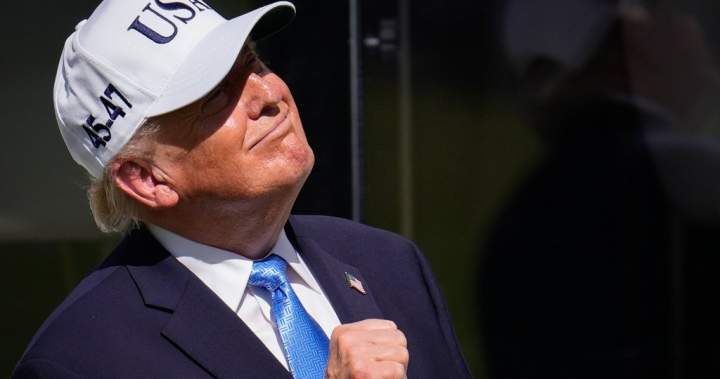
The ongoing economic friction between North America’s two largest neighbors has reached a new boiling point. As of 12:01 a.m. Tuesday, the United States has officially implemented a restrictive trade war policy, placing outright import bans on a variety of Canadian goods. This aggressive maneuver, targeting products ranging from dairy byproducts and alcoholic beverages to motorcycles, signals a significant hardening of the Trump administration’s stance toward Ottawa. The move serves as a direct retaliatory measure following Canada’s decision to impose its own counter-tariffs earlier this month, creating a volatile environment for cross-border commerce.
The current state of affairs reflects a complete breakdown in diplomatic progress. Last month, formal international trade negotiations collapsed amidst mutual accusations of bad-faith tactics. Both nations point to eleventh-hour adjustments as the primary culprits for the stalemate. For observers of global fiscal trends, this development is particularly concerning, as it mirrors the broader instability currently being observed in markets worldwide. The Trump administration has openly signaled its strategy, with the President recently stating that he expects Canadian officials to return to the bargaining table within weeks, ideally accompanied by an apology for the earlier impasse.
Understanding the Implications of the Trade War
While the White House remains confident in its ability to secure a total victory, the reality for the average citizen is far more complex. The imposition of these bans is not merely a political exercise; it represents a tangible threat to industries already struggling under the weight of previous 50 percent tariffs introduced in August. Furthermore, the administration has introduced a 10 percent tariff layer, ostensibly citing concerns over forced labor in supply chains. These measures disproportionately impact essential sectors, including automotive manufacturing, steel, aluminum, and cabinetry production.
The emotional and economic toll on the workforce is palpable. Experts warn that while the macro-economic impact on Canada’s GDP might be cushioned in the short term, the micro-economic damage to specific regions is likely to be severe. As small businesses grapple with sudden market closures, families are reporting increasing financial anxiety. This pressure is compounded by rising costs elsewhere, leading to widespread public frustration. Many citizens are already comparing their current struggles to periods of high inflation or historical economic downturns, noting that the political maneuvering at the top levels of government feels increasingly disconnected from the reality of daily life.
The Broader Geopolitical Context
Beyond the immediate financial figures, the symbolic nature of these executive orders cannot be overstated. From attempts to rename natural landmarks to the aggressive targeting of procurement lists, the U.S. strategy appears designed to force a total realignment of North American trade priorities. This environment has left Canadian policymakers in a difficult position. They must navigate a path that protects domestic workers without inviting further economic retaliation. As the administration in Washington doubles down on its official policy objectives, the window for a peaceful resolution is appearing to narrow.
Critics of these policies have raised concerns about the long-term viability of this approach. There is a palpable fear that by prioritizing leverage over collaboration, the administration is inadvertently causing permanent damage to the integrated supply chains that define the North American economy. Whether this current phase of the trade war ends in a negotiated settlement or a prolonged period of isolationism remains to be seen. What is clear, however, is that the current administration’s desire to rewrite the rules of engagement has left both countries facing an uncertain and potentially expensive future.
In the coming weeks, eyes will be firmly fixed on the diplomatic cables between Washington and Ottawa. With both sides currently entrenched in their positions, the prospect of a de-escalation seems remote. For now, workers, farmers, and business owners on both sides of the border are left waiting, hoping that the political standoff does not result in lasting, irreparable economic harm to their communities.