
Shivaji Park CJP Protest: Forum Seeks Murder Charge Against Abhijeet Dipke Over Senior Citizen’s Death
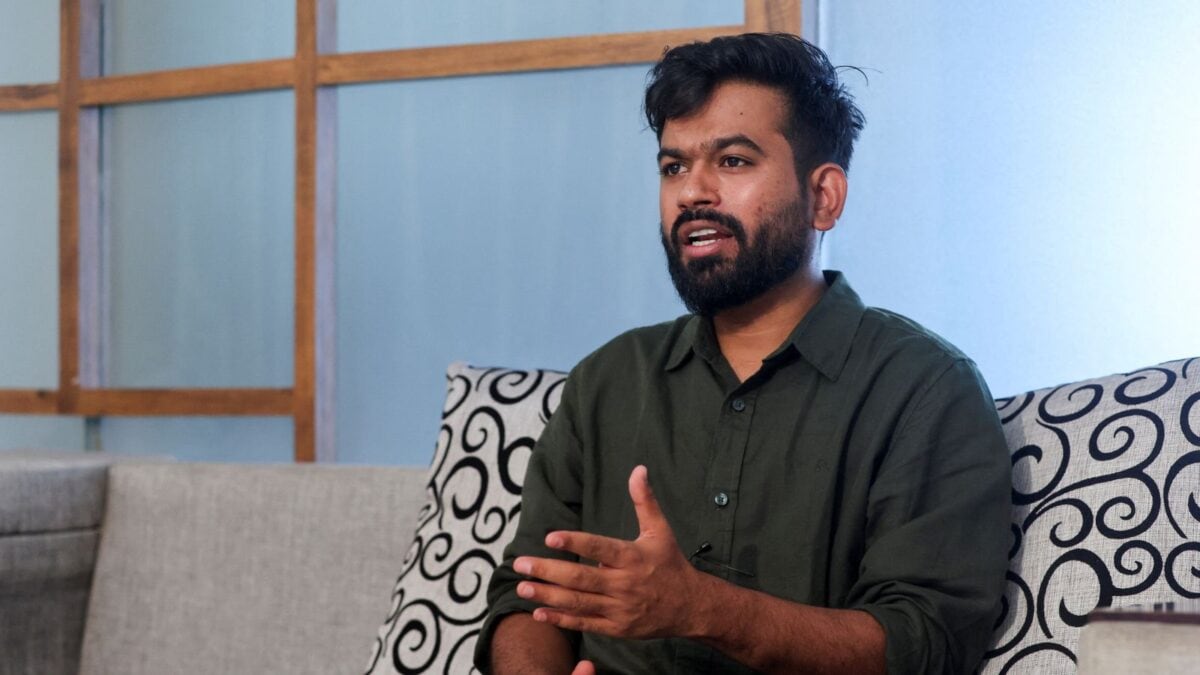
In a deeply contentious turn of events following a demonstration in Mumbai, the Shivaji Park Citizens Forum has formally demanded that authorities file a murder charge against Abhijeet Dipke, the founder of the satirical Cockroach Janata Party (CJP). The call for legal action follows the tragic passing of a senior citizen during the group’s October 2 protest, an incident that has since ignited a firestorm of controversy across the city. While the movement claims to be a voice for civil rights, critics view this specific gathering as a dangerous breach of public order.
The atmosphere in Mumbai remains strained as the fallout from the event continues to escalate. Local law enforcement has moved quickly, registering an FIR against the protest organizers and an estimated 400 to 500 unidentified participants. Authorities confirmed that the case has been filed under several sections of the Bharatiya Nyaya Sanhita, alongside specific provisions of the Maharashtra Police Act, citing unauthorized assembly and the violation of local restrictions.
The Controversy Surrounding Abhijeet Dipke
The core of the dispute involves the legitimacy of the gathering. Advocate and local resident Siddhi Deolekar has been a vocal critic of the event, asserting that the organizers deliberately flouted clear directives. According to legal records, there were explicit prohibitions in place regarding the use of Shivaji Park for such demonstrations, rooted in long-standing judicial rulings. Despite these warnings, Abhijeet Dipke and his associates reportedly proceeded with the mobilization, leading to significant congestion and, ultimately, the reported fatality.
As the legal system processes these complaints, the broader impact of this tragedy is being felt by observers and participants alike. This situation bears a striking resemblance to other recent instances where public unrest has dominated headlines, such as when concerns regarding police accountability have taken center stage in national discourse. Public protests, while a cornerstone of democracy, are increasingly being scrutinized when they veer into actions that potentially jeopardize citizen safety.
The Legal and Political Fallout
The CJP’s primary grievances focused on the Election Commission and alleged irregularities in the Special Intensive Revision (SIR) exercise. However, the political rhetoric has been overshadowed by the tragic death that occurred during the chaos. Deolekar characterized the event not as a peaceful protest but as an intentional defiance of the law, suggesting that the organizers used political cover to bypass essential administrative safeguards.
For more context on how authorities in other regions manage high-stakes disputes, one can look at global standards for civil demonstrations. The incident in Mumbai has also drawn comparisons to the intense political landscape observed during election periods, such as when the citizenry in Brazil navigated a deeply polarized election. Similar to those international scenarios, local tensions in India are often exacerbated by the friction between the right to organize and the obligation of state officials to maintain public stability.
As the investigation into the death continues, the pressure on Abhijeet Dipke to explain the decision-making process behind the unauthorized protest is likely to grow. The Shivaji Park Citizens Forum has made it clear that they intend to hold the organizers accountable for every aspect of the rally, including the tragic loss of life. Whether or not these murder allegations gain traction in the courtroom, the event has already left a permanent mark on the community, serving as a somber reminder of the fine line between political expression and legal responsibility.