
US Marine arrested in Japan for alleged murder of a woman
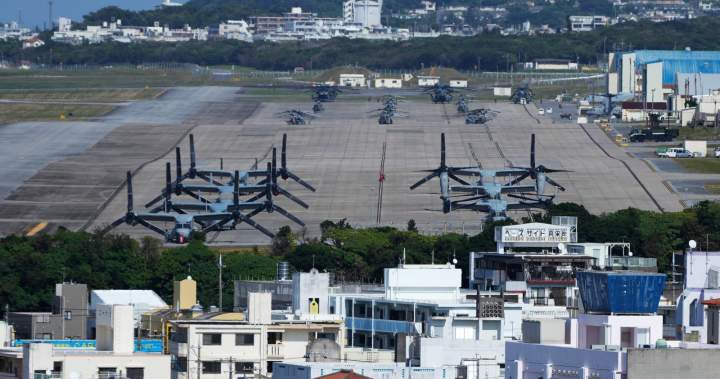
A 20-year-old U.S. Marine, currently stationed at the Futenma Air Station, has been arrested by Japanese police on suspicion of committing a horrific murder on the island of Okinawa. This latest criminal incident, which involves the robbery and killing of a 39-year-old local woman, has reignited long-standing tensions surrounding the heavy American military footprint in southern Japan. Authorities reported that the victim was discovered in her hotel room in Naha, with preliminary findings suggesting she had been strangled to death. Security footage allegedly captured the suspect entering the premises with the victim before departing alone, leading to his swift apprehension in Naha’s entertainment district.
The incident has sent shockwaves through the local community. Newly elected Okinawa Governor Genta Koja expressed his profound outrage, stating that the situation is completely unacceptable for residents who already live under the constant presence of foreign military bases. He voiced a sharp critique regarding the effectiveness of current disciplinary measures and educational programs mandated by the U.S. military for its personnel. This tragic event has prompted a formal diplomatic reaction, with Japan’s Foreign Minister Toshimitsu Motegi summoning U.S. Ambassador George Glass to express strong dissatisfaction and demand full cooperation in the unfolding investigation.
The Growing Tension Over the US Marine
Okinawa occupies a critical role in the regional security strategy, especially as the U.S. and Japan bolster their military cooperation to navigate increasing geopolitical friction in the Pacific. However, the island’s relationship with the presence of approximately 25,000 U.S. troops remains fraught with difficulty. For decades, residents have raised concerns about environmental issues, noise pollution, and, most pressingly, the criminal activity associated with military personnel. This particular US Marine arrest underscores the fragility of the status quo on the island, where local citizens have frequently campaigned for the reduction or relocation of bases, most notably the Futenma Air Station, which sits in a densely populated area.
Prime Minister Sanae Takaichi has publicly condemned the act, calling it a heinous crime and insisting that the United States implement more rigorous discipline for its forces stationed abroad. While the U.S. military has confirmed it is cooperating fully with the Japanese authorities, many residents remain unconvinced that such measures will prevent future occurrences. The history of this friction dates back decades, with a infamous 1995 incident still serving as a painful reminder of why local protests against the military presence are so intense.
Beyond the immediate tragedy, the political ramifications are significant. The Japanese government, currently aiming to strengthen its own domestic defenses, faces a delicate balancing act. They must appease a disgruntled Okinawan populace while simultaneously maintaining their critical security pact with Washington. The incident highlights broader systemic issues, similar to those seen when authorities deal with sensitive cases of institutional misconduct, where public trust in established power structures is severely tested.
A Pattern of Friction in Okinawa
Historically, when criminal charges involve U.S. personnel, it often triggers widespread public protests. Data from prefectural police indicate that dozens of incidents involving service members or their family members occur annually. For the average Okinawan, the presence of the military is not merely about strategic security, but about their daily quality of life. The delay in relocating facilities, such as the contested project in Henoko, only serves to amplify feelings of neglect by the central government. As investigations continue, the focus will remain on whether this latest act of violence by a US Marine will force a genuine shift in the long-term management of the bilateral alliance.