
Libyan unity talks upended as warlord’s son linked to drone attacks on fuel facilities
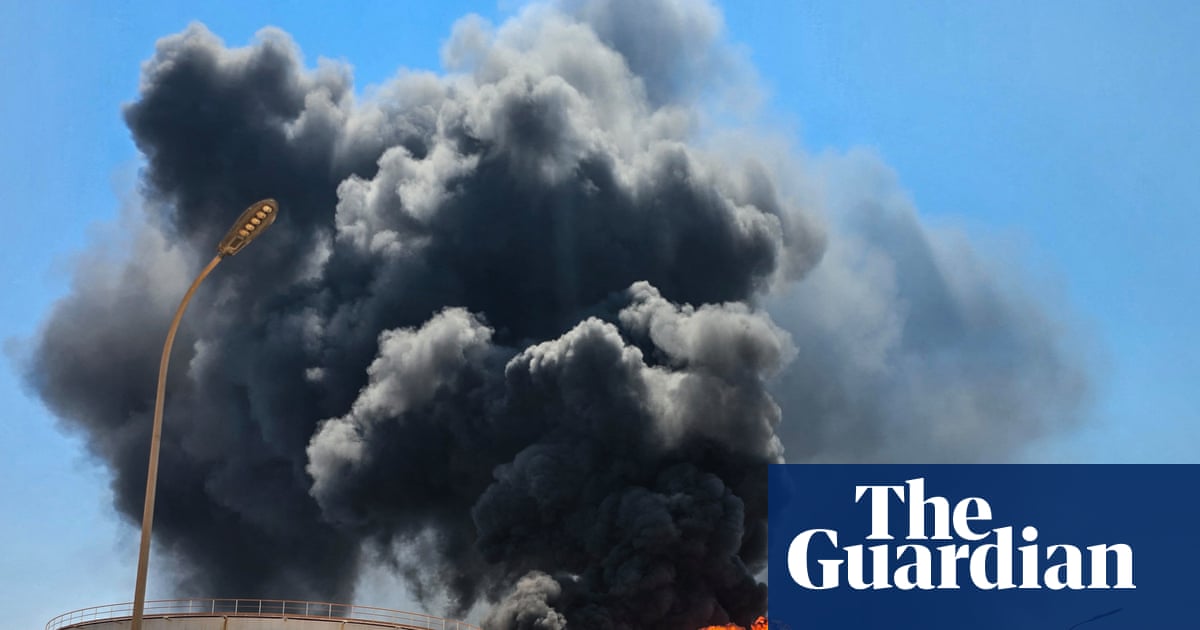
A fragile attempt to unify the fractured landscape of North African politics has been thrown into complete disarray. Serious allegations that the son of powerful warlord Khalifa Haftar orchestrated a covert terror cell have sent shockwaves through Tripoli. This cell is accused of executing targeted drone strikes against critical energy infrastructure in western Libya. For the government of national unity (GNU), these acts of sabotage have made the prospect of future cooperation with Saddam Haftar effectively impossible, jeopardizing a high-profile, US-backed plan to merge the nation’s competing security and political apparatus.
The central pillar of the proposed reconciliation strategy, spearheaded by Donald Trump’s Africa advisor Massad Boulos, envisioned a power-sharing agreement. This plan aimed to elevate the eastern warlord to the presidency while placing a member of the Dbeibah family in the role of prime minister. Yet, this vision of stability is crumbling under the weight of recent kinetic aggression. As noted in detailed reports on regional volatility, Libya remains a landscape defined by shifting alliances and deep-seated systemic corruption. The Libyan crisis underscores how quickly fragile diplomatic overtures can be dismantled by the actions of non-state actors and powerful family factions.
The Impact of the Drone Attacks on Libya
The drone strikes in August were not merely a tactical nuisance; they represented a significant escalation. For more than five days, industrial fuel storage facilities at the Zawiya oil station were systematically targeted. These strikes hit gasoline tanks containing millions of liters of fuel, causing catastrophic fires and structural collapses that paralyzed power grids. Residents in western Libya were left to contend with intensified, rolling blackouts, which fueled widespread public anger and increased pressure on Prime Minister Abdul Hamid Dbeibah to abandon his conciliatory stance toward the east.
Intelligence recovered following the arrest of several suspects in early September—a group including both Libyan nationals and a Spanish citizen—suggests a far more sinister plot. These individuals, allegedly linked to the Tareq ben Ziyad brigade under the LNA, were reportedly planning an audacious attack on Tripoli airport. Sources within the GNU have characterized the confessions and evidence obtained during these interrogations as a goldmine of information, one that potentially compromises the political future of the Haftar dynasty.
Internal Divisions and the Haftar Succession
The revelation of this sabotage operation has done more than just scuttle the Boulos merger plan; it has exposed cracks within the Haftar family itself. While Saddam Haftar has historically been viewed as the primary heir to his father’s military influence, his dominance is no longer absolute. His brothers, Khaled and Belqasim, have begun to carve out their own spheres of influence, often aligning themselves with different external powers such as Egypt, as opposed to Saddam’s preferred partners in the United Arab Emirates.
The UN-sponsored 4+4 political process, which had recently gained momentum toward establishing a framework for national elections, now faces an uncertain future. Ministers within the GNU, such as Walid Ellafi, have expressed a firm commitment to ensuring that any political resolution prioritizes the genuine will of the Libyan people. They argue against elite-driven settlements that ignore past grievances, such as the displacement of thousands of families during the 2014 Benghazi conflict. The path toward a unified Libya remains obstructed by those who value military leverage over institutional legitimacy.
As external stakeholders weigh their next moves, the situation on the ground remains volatile. For the international community, the challenge is to determine whether any stable governance is possible while armed factions continue to prioritize destructive tactics over democratic reconciliation. With the United Nations watching closely, the coming months will prove critical in determining whether Libya can avoid a slide back into full-scale, prolonged civil conflict.