
Germany’s Merz in Kyiv announces $1.5B in aid, urges Putin to end war
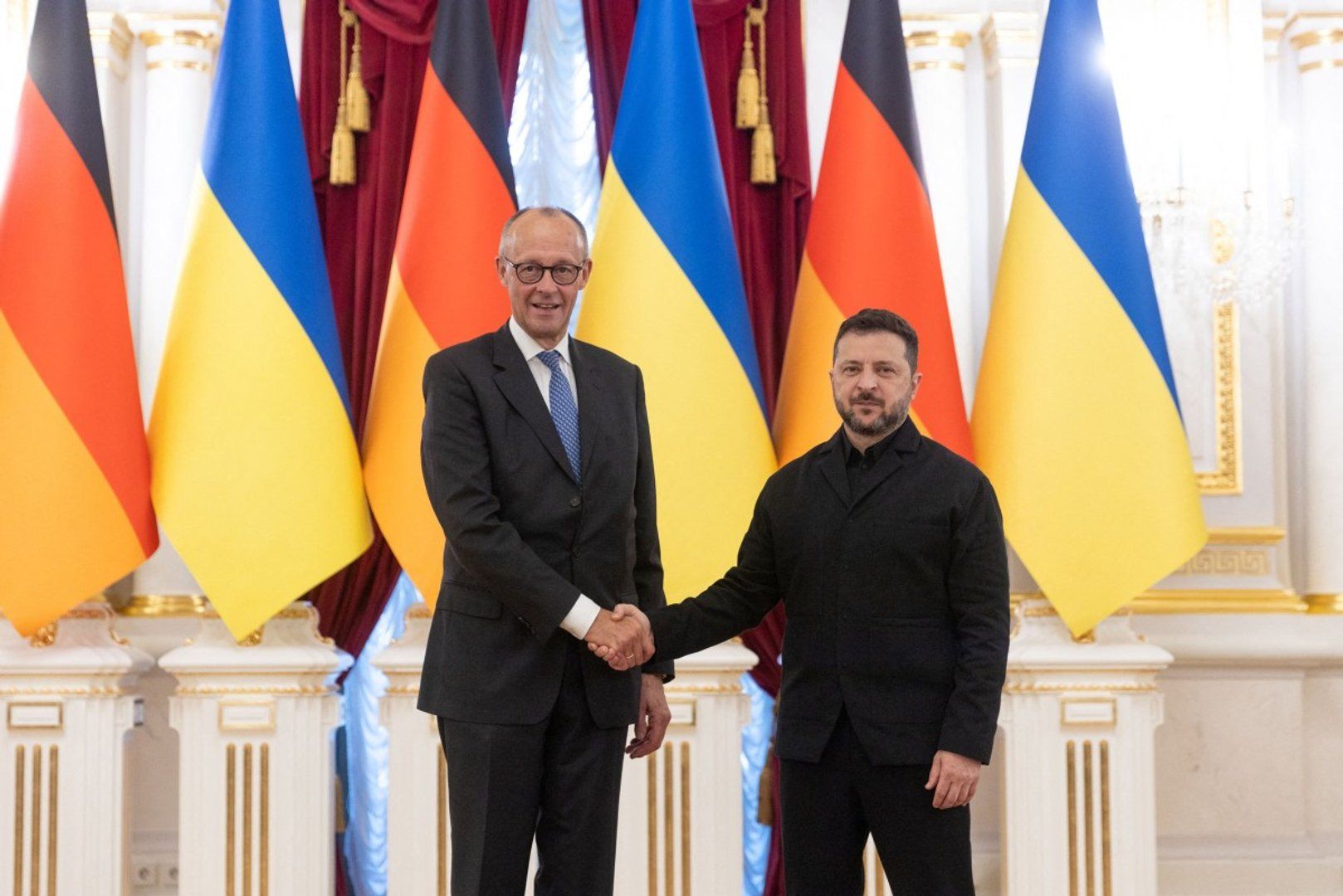
In a dramatic display of European resolve, German Chancellor Friedrich Merz arrived in Kyiv this week for a surprise visit, signaling a pivot in Berlin’s geopolitical stance. During his high-stakes trip, the Chancellor announced a substantial $1.5 billion support package, aimed at bolstering Ukraine’s military infrastructure and long-term reconstruction efforts. The commitment highlights how Friedrich Merz aid efforts are being recalibrated to address the evolving realities of the conflict, particularly as the Chancellor urged Russian President Vladimir Putin to initiate a definitive end to the hostilities.
The visit comes at a pivotal juncture in the ongoing regional conflict. Beyond the infusion of capital, the announcement included provisions for expanded drone cooperation between the two nations. This tactical enhancement is expected to provide Kyiv with significantly greater capability to strike at logistical targets deeper inside Russian territory, a development that military analysts suggest could shift the strategic balance in the coming months. As the international community watches these developments closely, the recent strikes on critical infrastructure in the region have only heightened the sense of urgency surrounding these diplomatic and military negotiations.
The Strategic Impact of Friedrich Merz Aid
This financial package represents more than just ammunition and equipment. It reflects a broader European attempt to secure a sustainable future for Ukraine. Friedrich Merz aid initiatives are deliberately split between immediate defense requirements and the eventual necessity of rebuilding a shattered state. By coupling monetary support with technological cooperation, Berlin is signaling to Moscow that the German government remains committed to Ukrainian sovereignty despite political pressures at home.
Observers note that the timing of this aid is deliberate. As external pressures mount, Germany is attempting to maintain its position as a central pillar of Western support. The inclusion of long-range drone technology in the agreement specifically addresses a long-standing request from Ukrainian military commanders. By enabling deeper strikes, Germany is essentially validating Ukraine’s right to defend its territory, including the ability to dismantle the supply chains that fuel the Russian war machine. For further context on global shifts and power dynamics, it is useful to consider official policy developments regarding the European Union’s security architecture.
Diplomatic Pressure and Future Outlook
Chancellor Merz did not stop at financial and military promises. His public call for President Putin to end the war was delivered with a tone of profound severity. While previous diplomatic efforts have often been characterized by caution, this latest rhetoric suggests a hardening of German foreign policy. The Chancellor’s direct challenge to the Kremlin indicates that Europe is moving away from the hope of immediate negotiations and toward a position of sustained military and political pressure.
However, the question remains whether such interventions will lead to peace or further escalation. As the conflict grinds on, the international community continues to balance the necessity of supporting a democratic ally with the desire to avoid a wider continental war. Through this visit, the German leadership has clearly opted for a path of assertive support, betting that increased capabilities for Ukraine will ultimately lead to a more favorable environment for eventual peace. The coming winter will likely serve as the ultimate test of this new strategy, as energy markets and global alliances face the continued strain of the ongoing geopolitical standoff.