
Possible pneumonic plague case: What to know and how experts are responding
Introduction and Key Takeaways
The global health community is currently on high alert following reports of a suspected case of pneumonic plague originating from a laboratory in Siberia. As a pneumonic plague situation unfolds, governments and international organizations are rushing to contain potential fallout, sparking a debate on transparency in high-threat research. This article explores the clinical realities of the disease, the geopolitical implications of the Russian investigation, and the broader context of lab safety in modern scientific research.
- The suspected case involves a lab technician at the Irkutsk Anti-Plague Research Institute.
- Pneumonic plague is the most virulent form of the bacteria, requiring rapid antibiotic intervention.
- International health authorities maintain that the risk to the general public remains extremely low.
- The incident has ignited fresh political scrutiny regarding the safety protocols governing laboratories that handle dangerous pathogens.
Background and Context: What Just Happened?
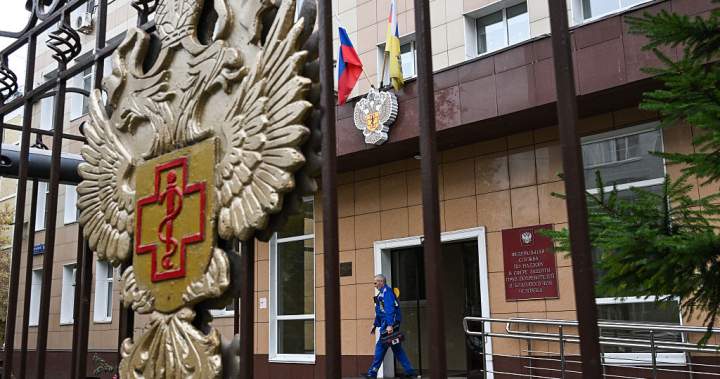
Reports emerged recently that a worker at a specialized facility in Siberia died from an illness initially described as severe pneumonia. The facility, the Irkutsk Anti-Plague Research Institute, is dedicated to the study of high-threat pathogens. The World Health Organization (WHO) has confirmed it is in active communication with Russian authorities regarding this case. While Russian officials state that contact tracing for all individuals associated with the deceased has been completed with negative results, the international community, including figures like the U.S. President, continues to monitor the situation with caution. As noted in official health records, this disease remains a rare but historic pathogen that requires rigorous containment.
Root Cause and Deep Dive Analysis
Why did this happen? To understand the fear surrounding a potential pneumonic plague event, one must look at its biological nature. Unlike the bubonic variant, which is transmitted by fleas, the pneumonic form attacks the lungs and spreads via respiratory droplets. This makes it far more transmissible in human-to-human scenarios if left uncontained. The incubation period is remarkably short, sometimes occurring within twenty-four hours of exposure. Experts highlight that modern medicine, specifically antibiotics, is highly effective if the disease is diagnosed early. However, the mystery surrounding the lab environment itself is what drives public anxiety. Comparisons to the origins of recent global pandemics have made the public hyper-aware of safety lapses in high-containment laboratories. For more context on the intersection of public safety and health surveillance, see this report on infectious disease management.
Strategic Implications and Future Impact
The geopolitical fallout of this incident is significant. Transparency acts as a currency in international health diplomacy. When nations like Russia restrict or limit data flow, it naturally triggers defensive postures from global powers. U.S. officials have already called for increased transparency, reflecting a desire to prevent localized incidents from spiraling into global crises. This event serves as a stark reminder of the risks inherent in studying deadly pathogens in geographically isolated regions. Future policies will likely focus on standardized global protocols for lab security, potentially mandating international oversight for institutes that work with historic threats like the plague.
Conclusion and What to Watch Next
The situation in Irkutsk is currently contained according to official Russian data, but the psychological impact remains. We must watch how Rospotrebnadzor handles the final findings of their investigation. If the data remains transparent, the incident will likely be viewed as a tragic workplace accident. If the investigation remains shrouded in mystery, it will likely fuel further tension between global powers regarding biosafety standards. For now, the global health architecture is functioning as intended, with the WHO providing the necessary oversight to keep the public informed without inducing panic.