
Seychelles giant tortoise numbers hit record 180,000 in conservation triumph
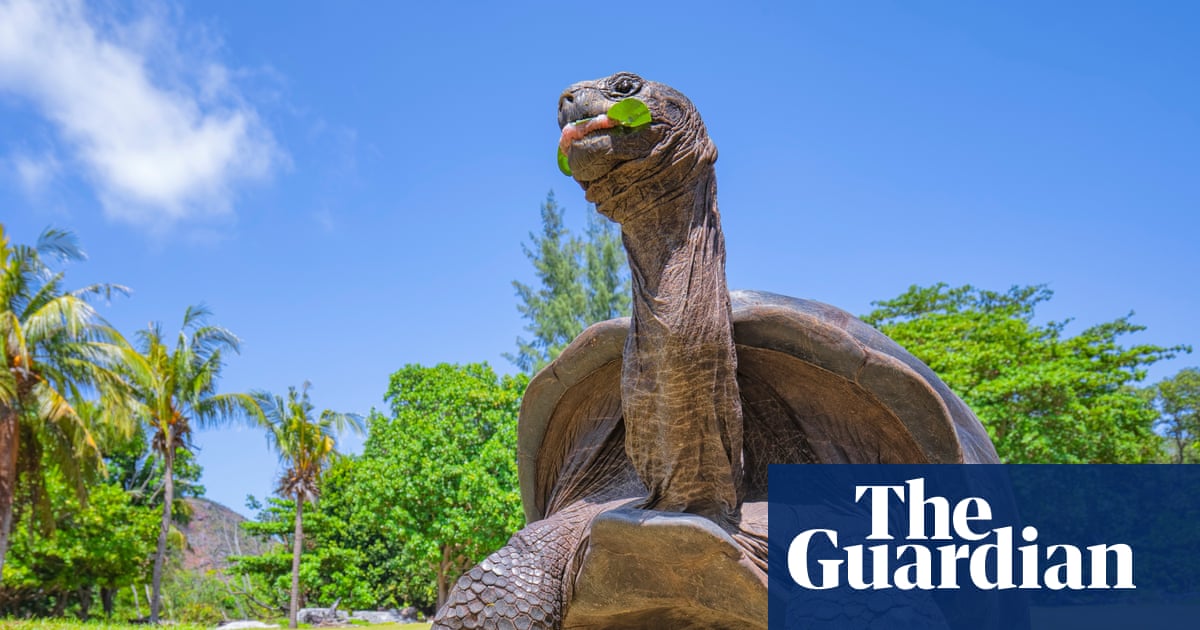
Introduction and Key Takeaways
The remote beauty of the Indian Ocean hides a monumental conservation success story. A groundbreaking study reveals that the population of the Aldabra giant tortoise has reached an unprecedented peak of 180,000 individuals. This development highlights the effectiveness of long-term environmental stewardship on the Aldabra Atoll, a critical sanctuary for biodiversity. The resurgence of the Aldabra tortoise serves as a vital case study for ecologists globally, demonstrating that dedicated protection efforts can reverse centuries of decline.
- The population of giant tortoises now officially exceeds the total human count of the Seychelles archipelago.
- Scientific modeling from 2018 to 2022 confirms the species is currently at its most robust level in recorded history.
- Despite this milestone, researchers emphasize that external threats, such as climate change and invasive species, necessitate continued vigilance.
Background and Context: What Just Happened?
During the 19th century, the future of the giant tortoise appeared bleak. Exploitation by humans and habitat encroachment pushed the population toward the brink of extinction, with fewer than 1,000 individuals remaining on the island. The transformation since those dark days has been nothing short of extraordinary. Following decades of rigorous protection, including the designation of the site as a strict nature reserve in 1981 and a United Nations educational, scientific, and cultural site, the ecosystem has flourished.
The recent findings, published in the journal Ecology and Evolution, are the result of an intensive five-year survey conducted by the Seychelles Islands Foundation and the University of Exeter. By moving beyond simple counts and employing sophisticated statistical modeling, the team established a reliable baseline for this iconic Aldabra tortoise population. This data is essential for managing the long-term survival of the species, which remains confined to only two major wild habitats globally.
Root Cause and Deep Dive Analysis
Why has the population surged so dramatically? The primary driver is the cessation of human exploitation, combined with a sustained, science-led management plan that respects the unique biological needs of the reptiles. Unlike many conservation projects that focus on captive breeding, this success story revolves around creating a stable, wild-roaming environment where the tortoises can thrive naturally.
However, the complexity of the landscape makes tracking difficult. The atoll features dense vegetation and challenging terrain, which previously masked the true scale of the population growth. The current census methodology accounts for hidden, non-visible members of the population, providing a much clearer picture of ecological health. This success underscores the importance of informed wildlife policies that prioritize habitat preservation over immediate, short-term interventions.
Strategic Implications and Future Impact
The Aldabra tortoise population boom is a testament to the power of commitment, yet it is not a signal to withdraw support. Conservation managers are now shifting their focus toward the next generation of challenges. Global climate change poses a significant risk to the low-lying atoll, as rising sea levels and shifting weather patterns threaten to disrupt the delicate balance of the environment. Furthermore, the presence of invasive mammals, such as feral cats and rats, remains a critical barrier. These predators target eggs and hatchlings, creating a bottleneck for future growth. The planned eradication of these invasive species is viewed as a strategic necessity to ensure the population remains resilient against the encroaching pressures of a warmer, less predictable planet.
Conclusion and What to Watch Next
The milestone of 180,000 tortoises is a moment for global celebration, yet it serves as a baseline rather than an endpoint. As environmental conditions evolve, the data gathered by researchers will be instrumental in making rapid decisions to mitigate threats. Policymakers and environmentalists should look to this model as they design protections for other endangered reptiles, such as the critically vulnerable populations found across the globe. Moving forward, the focus must remain on adaptive management, ensuring that the hard-won gains of the last century are not lost to the environmental shifts of the next.