
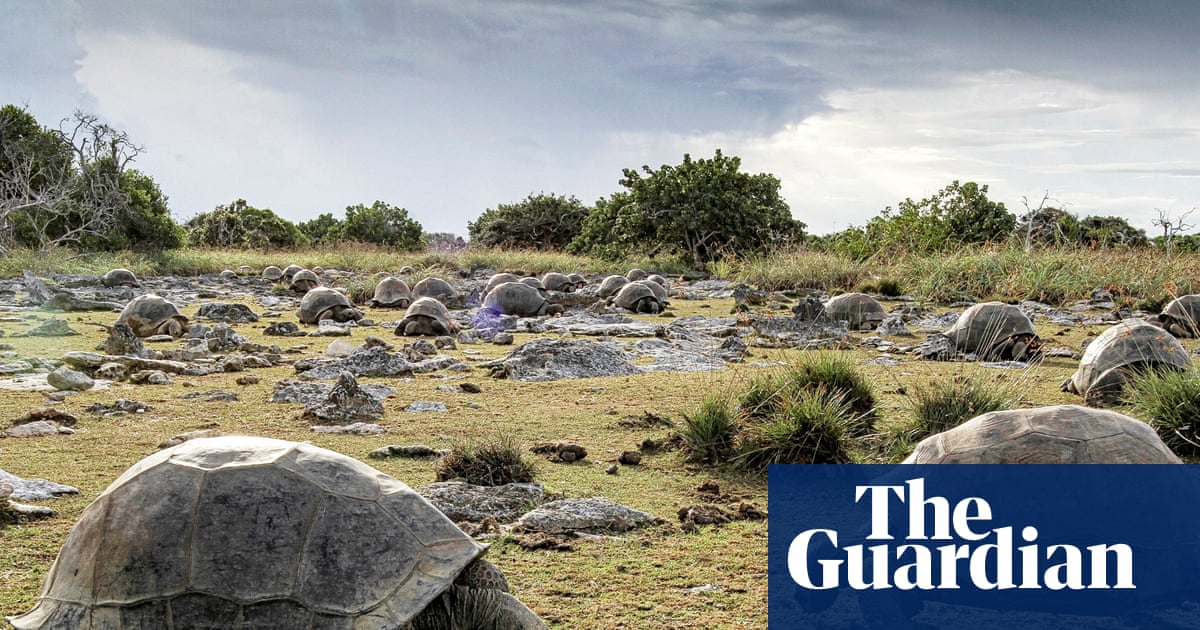
Scientists discover 180,000 giant tortoises on one Seychelles island
Introduction and Key Takeaways
The Aldabra giant tortoise, a majestic survivor of the Indian Ocean, has achieved a remarkable recovery. Recent scientific data confirms the species is thriving on the Aldabra Atoll, with population numbers hitting a historic peak. This Aldabra giant tortoise success story serves as a global blueprint for long-term ecological restoration and biodiversity management. Key takeaways include:
- A comprehensive five-year survey revealed a population estimate of approximately 180,000 individuals.
- This figure drastically outnumbers the human population of the entire Seychelles archipelago.
- The recovery highlights the effectiveness of strict nature reserve status established decades ago.
- Future challenges, specifically climate change and invasive species, remain critical focus areas for continued protection.
Background and Context: What Just Happened?
For centuries, the giant tortoise population of the Seychelles faced systemic exploitation by explorers, sailors, and settlers who utilized the animals for food and oil. By the 19th century, the numbers were decimated to fewer than 1,000 individuals, pushing the species toward the brink of total extinction. The tide began to turn in the late 20th century, specifically after the atoll was designated as a strict nature reserve in 1981 and a UNESCO World Heritage Site in 1982.
The latest study, a collaborative effort between the Seychelles Islands Foundation and the University of Exeter, analyzed data gathered between 2018 and 2022. By utilizing sophisticated modeling to account for dense vegetation that obscures visual counts, researchers determined the most accurate census to date. This update, the first since the 1990s, provides a robust scientific foundation for future conservation efforts regarding the Aldabra giant tortoise.
Root Cause and Deep Dive Analysis
Why did this specific population bounce back while so many others vanished? The primary driver of this success was the removal of direct human exploitation. Once the atoll was fully protected, the tortoises could naturally expand into their ancestral habitats. Unlike many other species that require intensive human-led breeding programs, the Aldabra population responded to the cessation of hunting and habitat destruction with rapid reproductive growth.
However, the analysis also points toward the inherent biological resilience of these creatures. Their longevity and slow metabolism allow them to withstand periods of resource scarcity. Experts noted that while the count of 180,000 is an impressive milestone, it represents a baseline. Maintaining this growth requires addressing the subtle, persistent threats that continue to impact the archipelago.
Strategic Implications and Future Impact
The resurgence of the Aldabra giant tortoise has significant implications for global environmental policy. It proves that nature, when granted sufficient space and protection from industrial interference, possesses an innate capacity for recovery. This finding provides a necessary injection of optimism into the global biodiversity discourse, which is frequently dominated by negative headlines about extinction rates.
Strategically, the focus must now shift to climate-related risks. Rising sea levels and the reduction of shade-providing flora present a genuine danger to the low-lying areas of the atoll. Furthermore, the presence of invasive mammals, such as black rats and feral cats, represents an ongoing threat to eggs and hatchlings. Systematic eradication of these invasive species is now considered the most vital step to ensure the population remains stable as the local climate becomes more volatile.
Conclusion and What to Watch Next
The Aldabra giant tortoise is no longer just a historical relic of the Indian Ocean, but a thriving, self-sustaining population that commands respect. Conservationists are now focused on refining the monitoring programs that allow for this level of detailed, evidence-based management. As we look forward, the ability to adapt to drought and habitat changes will dictate whether this recovery remains a permanent fixture or a temporary spike. Watching the progress of the planned invasive species eradication will be crucial to securing this success for the next century.