
‘Muslims Have Found A New Friend In Us’: Suvendu Adhikari Hails BJP Wins In Minority-Dominant Rejinagar, Nandigram Bypolls
Introduction and Key Takeaways
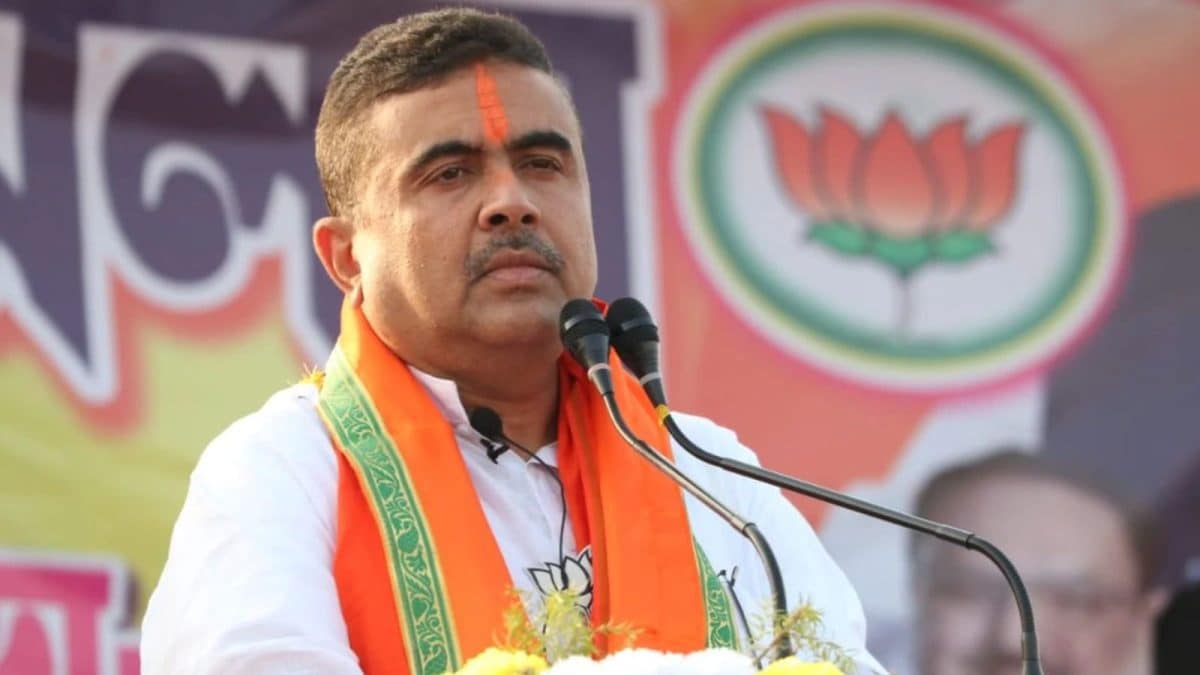
In a striking development that has sent ripples through the political corridors of West Bengal, Chief Minister Suvendu Adhikari has asserted that the Bharatiya Janata Party (BJP) is successfully expanding its base among minority communities. Following the recent by-election results in Rejinagar and Nandigram, the state leadership is framing these outcomes as a transformative moment in local electoral history. This Suvendu Adhikari narrative suggests that a significant segment of the Muslim electorate has shifted its allegiance away from traditional political avenues, instead opting to embrace the ruling party. Key takeaways from this shift include:
- Evidence of record-breaking margins in traditionally competitive or opposition-leaning districts.
- A strategic pivot in campaign messaging that emphasizes governance, stability, and security over divisive identity politics.
- A bold projection by state leadership that the current vote share, currently around 46 percent, is poised to breach the 60 percent threshold in upcoming general cycles.
Background and Context: What Just Happened?
The recent by-elections in West Bengal have been closely monitored by political observers across the nation. For years, the political landscape of this region was defined by a predictable binary, where specific demographics consistently supported opposition blocks. However, the outcomes in Rejinagar and Nandigram represent a sharp inversion of this historic election math. As citizens headed to the polls, the tension was palpable, given the past history of political volatility in these specific assembly segments. With the BJP establishing commanding leads, local analysts are now debating whether this represents a temporary protest vote or a permanent realignment of voter loyalties, which you can explore in further detail regarding the shifts in Bengal’s electorate.
Root Cause and Deep Dive Analysis
Why did this change happen? According to Suvendu Adhikari, the primary driver is the delivery of a peaceful governing environment. For many years, voters in these regions had been subjected to the constant threat of localized violence and political intimidation. The arrival of a more stable, law-and-order-focused administration has reportedly convinced previously skeptical minority voters that the BJP is a reliable partner rather than an adversary. The narrative suggests that the community feels ‘misled’ by the rhetoric of previous administrations, which often utilized identity-based fear tactics to maintain a grip on power. By addressing tangible concerns, such as economic development and civil security, the party has successfully bypassed traditional barriers that previously prevented outreach to the Muslim electorate.
Strategic Implications and Future Impact
The success in these bypolls is not merely a localized victory. It serves as a testing ground for broader strategies that the party intends to deploy throughout the state. If the BJP can retain this support in future cycles, it renders the traditional ‘vote bank’ model of the opposition ineffective. Furthermore, this trend could influence national political discourse, as parties look for ways to replicate this integration across other minority-heavy constituencies. The focus on ‘Suvendu Adhikari’ as a central architect of this strategy highlights a transition toward leadership that prioritizes local engagement and clear communication over abstract ideological debates.
Conclusion and What to Watch Next
As the state government moves forward, the pressure to maintain this newfound support will be intense. The administration must now fulfill the expectations of these new voters to prevent any reversion to previous voting patterns. Observers should keep a close watch on legislative actions in the coming months, specifically regarding initiatives mentioned in previous state political updates that aim to promote civic equality and combat extremist narratives. Whether this momentum can be sustained in statewide elections remains the defining question for West Bengal politics in the coming years.