
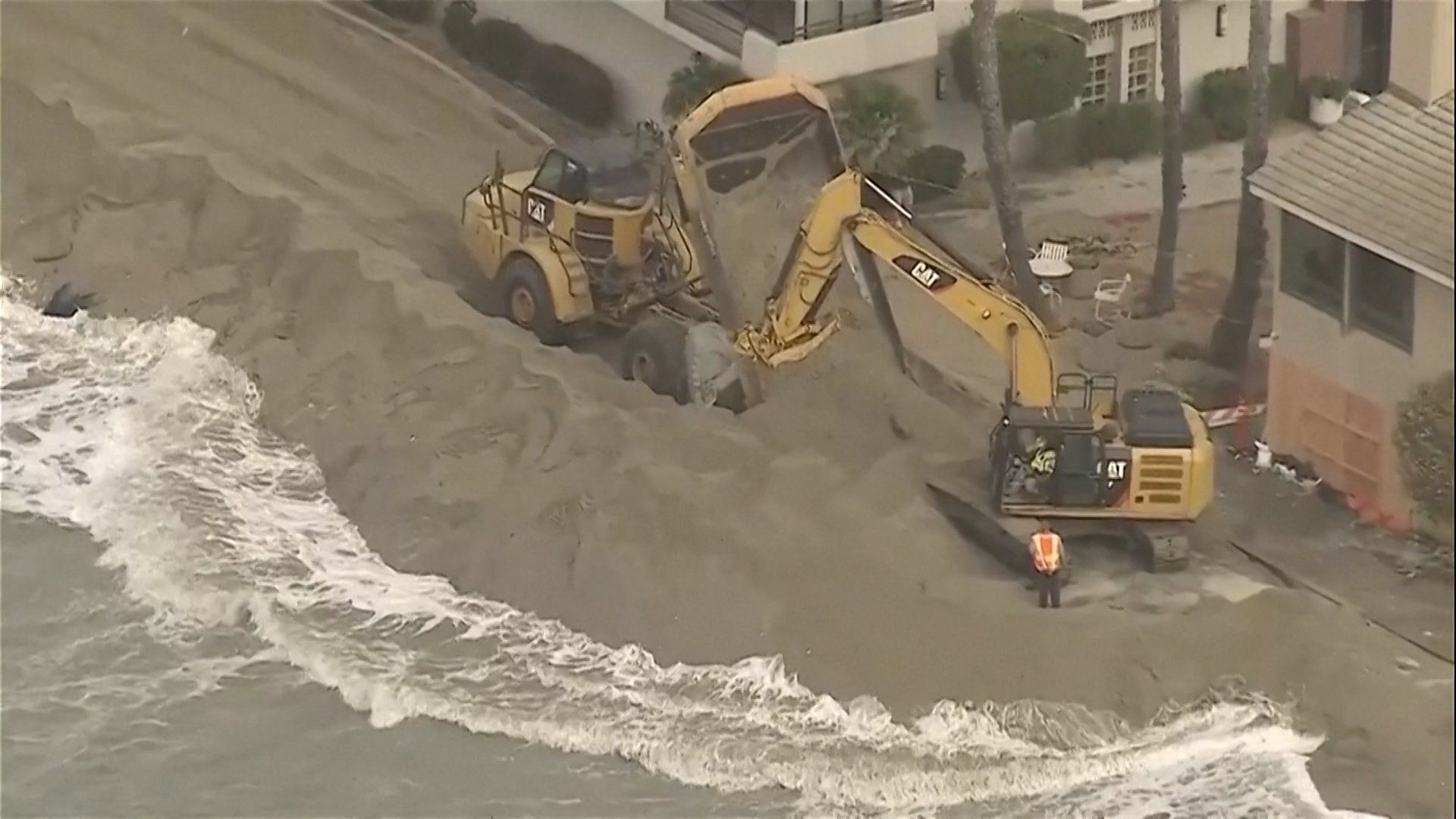
Waves crash into homes as excavators try to protect California properties
Introduction & Key Takeaways
As California grapples with the aftermath of Tropical Storm Rachel, the fragility of the state’s coastal infrastructure has once again come into sharp focus. With heavy machinery scrambling to shore up crumbling property lines against relentless tides, the reality of climate-driven extreme weather is hitting home for thousands of residents. This California coast crisis serves as a visceral reminder that traditional defenses are struggling to keep pace with an increasingly volatile environment.
- Tropical Storm Rachel has triggered widespread flooding and significant power outages across the California coast.
- Emergency crews are using excavators to create temporary barriers, attempting to mitigate structural damage from aggressive wave action.
- The event highlights a deepening national conversation regarding managed retreat and the long-term viability of coastal real estate.
Background & Context (What Just Happened?)
In early October 2026, the arrival of Tropical Storm Rachel brought unprecedented oceanic agitation to the Pacific shoreline. While California is accustomed to seasonal storm activity, the intensity of this particular system pushed water levels and surge pressure beyond anticipated thresholds. As the storm made landfall, residents watched in horror as surging waves bypassed standard defenses, inundating residential structures and eroding the sandy foundations that support million-dollar homes. Local authorities moved quickly to deploy heavy machinery, yet the visual of excavators digging through saturated sand to place debris barriers illustrates the desperate, improvisational nature of modern emergency responses in the face of rising sea levels.
Root Cause & Deep Dive Analysis (Why Did This Happen?)
The devastation observed along the California coast is not an isolated anomaly. It is the result of compounding systemic issues. First, the intensification of tropical systems arriving at higher latitudes suggests shifting oceanic temperature patterns that fuel storms with greater energy. Second, decades of coastal development have prioritized proximity to the ocean without sufficient consideration for the dynamic nature of sediment transport and barrier dunes. When storms hit, these hardened structures cannot flex with the environment. Instead, they deflect energy, often accelerating the erosion of adjacent properties. This phenomenon, known as the “scour effect,” turns a single storm into a catalyst for total neighborhood destabilization. The lack of robust federal or state policies to restrict development in these high-hazard zones remains a point of contention for urban planners.
Strategic Implications & Future Impact
What does this mean for the future of the West Coast economy? The implications are profound. Insurance markets, already wary of wildfire risk, are now bracing for a permanent shift in how coastal assets are valued. As we explore in our ongoing news analysis, when private equity and insurance firms conclude that specific regions are effectively uninsurable, property values will likely plummet, triggering a crisis in local tax revenues. Furthermore, the reliance on reactive measures like excavators and temporary berms is financially unsustainable. Governments face the difficult choice between massive, multibillion-dollar investments in permanent sea walls or implementing policies of managed retreat, where communities are incentivized to relocate further inland. The political cost of such transitions is immense, but the cost of inaction is proving to be even higher.
Conclusion & What to Watch Next
The sight of the California coast under siege is a preview of the next decade of environmental management. As the cleanup from Tropical Storm Rachel continues, observers must look toward the legislative reaction in Sacramento. Will there be new mandates on coastal setbacks, or will we see a continued reliance on emergency spending to repair what the ocean inevitably reclaims? Moving forward, the focus must shift from protection to adaptation. We must watch how public utilities handle the intersection of grid reliability and climate-induced physical damage, as the intersection of power outages and flooding creates a compounding public safety hazard that will require modernized, resilient infrastructure investments.