
Russia’s offensive ability is broken, Kyiv’s former top general tells BBC
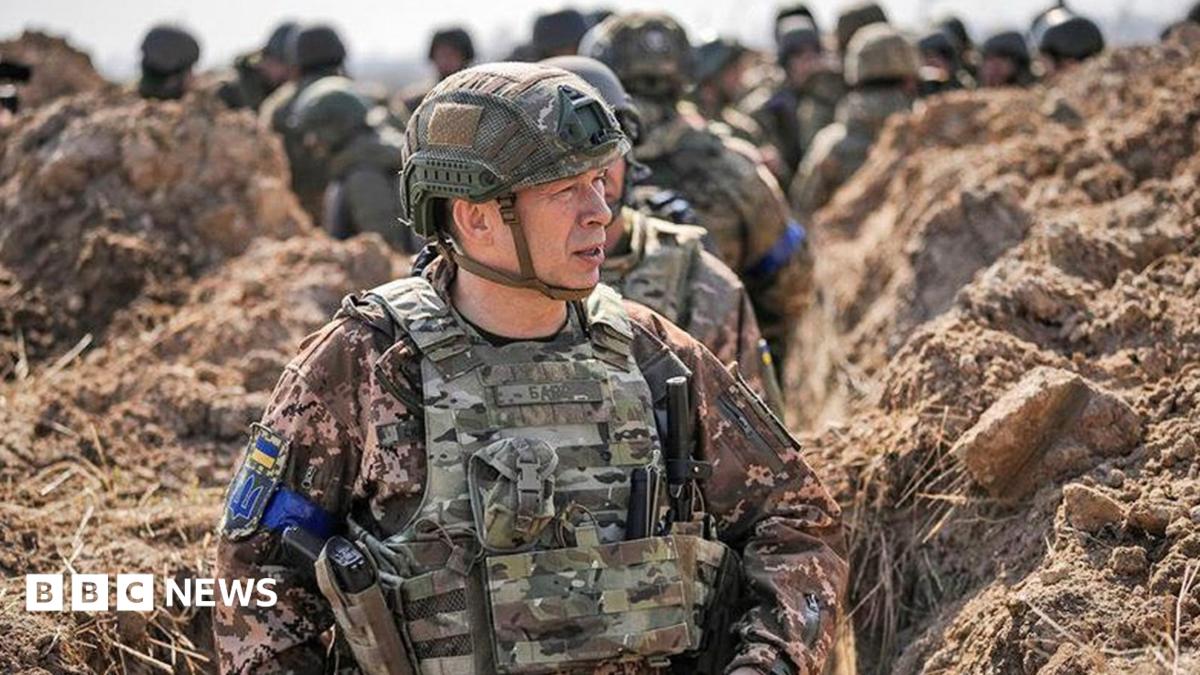
In an exclusive and revealing interview, former Ukrainian commander-in-chief General Oleksandr Syrskyi has declared that Russia’s offensive ability is broken. As the conflict in Eastern Europe enters a grueling phase of attrition, understanding whether Moscow’s military potential has actually hit a ceiling is critical for global security. Syrskyi, who led Ukraine through some of the war’s most volatile periods, suggests that the sheer scale of Russian losses has fundamentally altered the tactical landscape.
Has Russia’s Offensive Ability Truly Broken?
The core of General Syrskyi’s assessment rests on a staggering disparity in casualty figures. According to his analysis, Moscow’s losses are six times higher than those of Ukraine, with the gap widening to eleven times when focusing strictly on fatalities. While these numbers remain difficult to verify due to the fog of war, they align with broader international intelligence reports that suggest Russia has suffered approximately half a million casualties since the start of the full-scale invasion in 2022. This attrition-based strategy, while costly for both sides, appears to have stalled the momentum of Russian ground forces.
The strategic stabilization of the front line, which saw Russia gain a mere 61 square kilometers in the first half of 2026, serves as evidence that the once-relentless Russian push has been contained. This stalemate does not imply a total collapse of Russian military power, but it does indicate that their capacity for large-scale, rapid advancement has been severely undermined. For a deeper look at the risks associated with evolving warfare, see how AI hacking will be more common if changes aren’t made, reflecting the digital shift currently defining modern battlefields.
The Strategic Evolution of the Conflict
General Syrskyi’s tenure as commander-in-chief was marked by intense scrutiny, particularly regarding his management of resources and the defense of key cities. He defended his record against claims that he was too orthodox for the modern era. Instead, he highlighted his role in the creation of the Unmanned Systems Forces, a pioneering move that integrated drone warfare as a centerpiece of Ukrainian resistance. He noted that today, drones account for 80 percent of Russian losses, a testament to how technology has become the great equalizer against a numerically superior foe.
However, the transition to a drone-centric force brought internal friction. Syrskyi revealed that disagreements with the then-defense minister, Mykhailo Fedorov, stemmed from an imbalance in procurement. While drones were critical, the General argued that essential supplies like motorbikes, armored ground vehicles, and traditional artillery were often neglected. This internal administrative turmoil ultimately led to his removal from power, illustrating how complex the intersection of politics and military strategy remains in a wartime state.
Future Implications and Geopolitical Risks
Looking ahead, the conflict is destined to become increasingly reliant on automation and advanced hardware. Syrskyi emphasized that the future of the war lies in robotics and artificial intelligence. Whether it is AI-enabled targeting systems or active defense shields for tanks, the battlefield of tomorrow will be a high-stakes laboratory for military tech. Despite this, he remains firm on a crucial point: the human element is indispensable. Machines, no matter how advanced, still require human guidance to remain effective under the chaotic conditions of active combat.
The General also issued a stark warning to European allies who remain skeptical of Russia’s long-term geopolitical goals. He urged international partners to abandon the illusion that the conflict will be contained within Ukraine’s borders. His perspective suggests that the stabilization of the front is not merely a Ukrainian victory, but a vital holding action for European stability. By disrupting Russian offensives, Ukraine continues to buy time for the West to strengthen its defensive posture and prepare for a potential shift in regional security dynamics.
Conclusion and What to Watch Next
As we monitor the situation, key indicators will include the pace of Russian mobilization and the continued evolution of Ukraine’s technological warfare capabilities. The stability of the front line remains fragile, and the winter months will likely test the logistical resilience of both nations. Whether Russia’s offensive ability is permanently broken or simply recalibrating remains the defining question of the next operational phase. Observers should keep a close watch on drone production rates and the integration of automated systems, as these will likely determine which side retains the tactical advantage in 2027.