
Ankita Bhandari’s Parents Released After Detention During Overnight India Gate Protest
Introduction & Key Takeaways
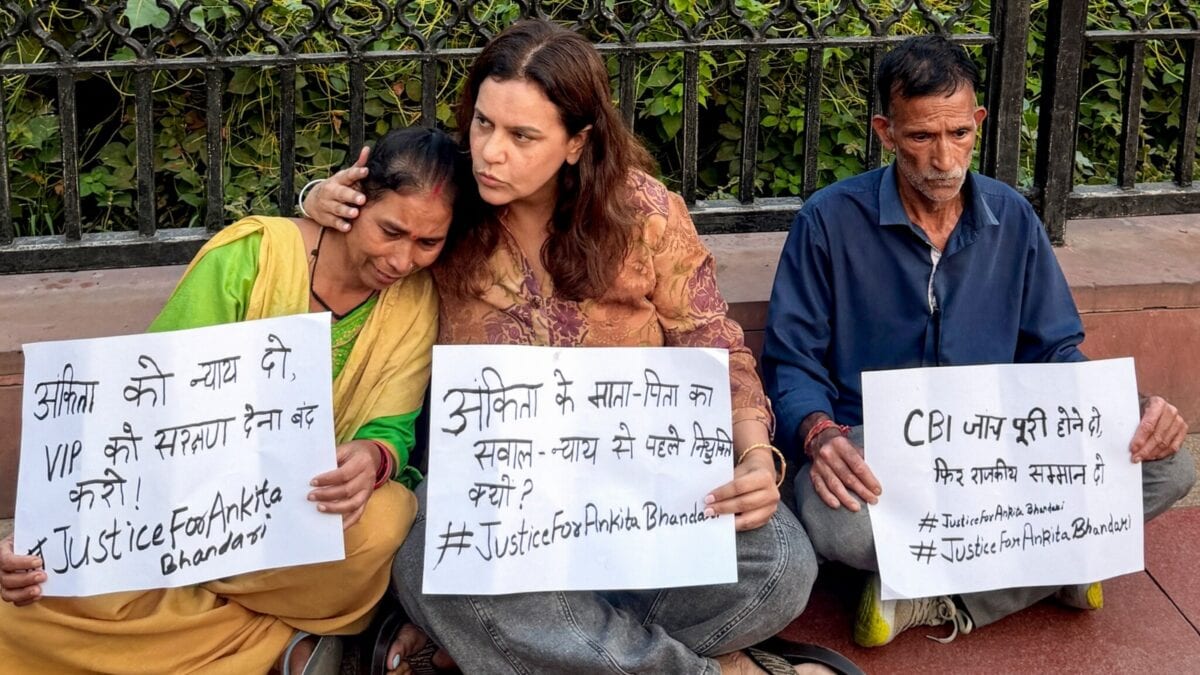
The recent detention of the parents of the late Ankita Bhandari, alongside political activists at India Gate, has sparked a firestorm of controversy. This event underscores the persistent tension surrounding the ongoing fight for justice in a high profile case that continues to resonate across India. The Ankita Bhandari case remains a symbol of public demand for accountability, particularly when powerful interests are perceived to be involved. Key takeaways include:
- The parents were detained during an overnight protest at India Gate, only to be released later by Delhi Police.
- The demonstration targeted the appointment of BJP leader Dushyant Kumar Gautam as the Governor of Sikkim.
- Critics and opposition leaders have characterized the police intervention as a direct assault on democratic protest rights.
- Protesters are demanding a formal pause on the gubernatorial appointment, pending a deeper investigation into a potential VIP angle.
Background & Context (What Just Happened?)
The incident occurred in the early hours of Thursday, when local law enforcement cleared a sit-in protest involving the bereaved parents of Ankita Bhandari and various Congress party members. The group had gathered to express their profound opposition to the elevation of Dushyant Kumar Gautam to a gubernatorial role. For the family, this appointment is seen as a dismissal of their ongoing quest for truth, which has spanned four years. While the families have since been released, the incident has reignited debates regarding the role of dissent in modern India. Such public displays of grievance often serve as a thermometer for public trust in state institutions.
Root Cause & Deep Dive Analysis (Why Did This Happen?)
At the center of this volatile situation is the allegation of a ‘VIP angle’ within the original criminal case. The parents argue that certain individuals shielded by political influence have evaded the full weight of the law. By appointing Dushyant Kumar Gautam as the Governor of Sikkim, the protesters contend that the state is signaling a lack of commitment to an impartial investigation. The frustration is not merely about the specific appointment but the perceived normalization of political impunity. When justice systems feel inaccessible, citizens turn to symbolic locations like India Gate to voice their pain. Similar dynamics were previously observed in various public accountability movements, where systemic friction creates a breakdown between grieving families and the administration.
Strategic Implications & Future Impact
The geopolitical and domestic ramifications of such protests are significant. Internally, the government faces the challenge of managing public optics while maintaining the sanctity of executive appointments. Externally, the case highlights the persistent struggle for human rights and judicial transparency within a democracy. If the state continues to respond with heavy-handed policing, it risks alienating further segments of the electorate who perceive such actions as dismissive of civilian suffering. The political opposition, meanwhile, is strategically utilizing this incident to consolidate narratives regarding governance and morality. The future impact of this, specifically if the demand for a central probe is ignored, could see localized protests evolve into a broader national mobilization.
Conclusion & What to Watch Next
The release of the parents is only the beginning of the next chapter in this saga. The primary focus now shifts to whether the central government will address the specific demands regarding the gubernatorial appointment. Observers should keep a close watch on potential legal filings that might challenge the appointment or seek a stay from higher courts. Furthermore, the persistence of the parents indicates that the protest movement is unlikely to dissipate soon. As the nation monitors this development, the question remains whether institutions will prioritize genuine accountability over political convenience.