
Albania’s PM dismisses calls to resign as student protests spread
Introduction & Key Takeaways
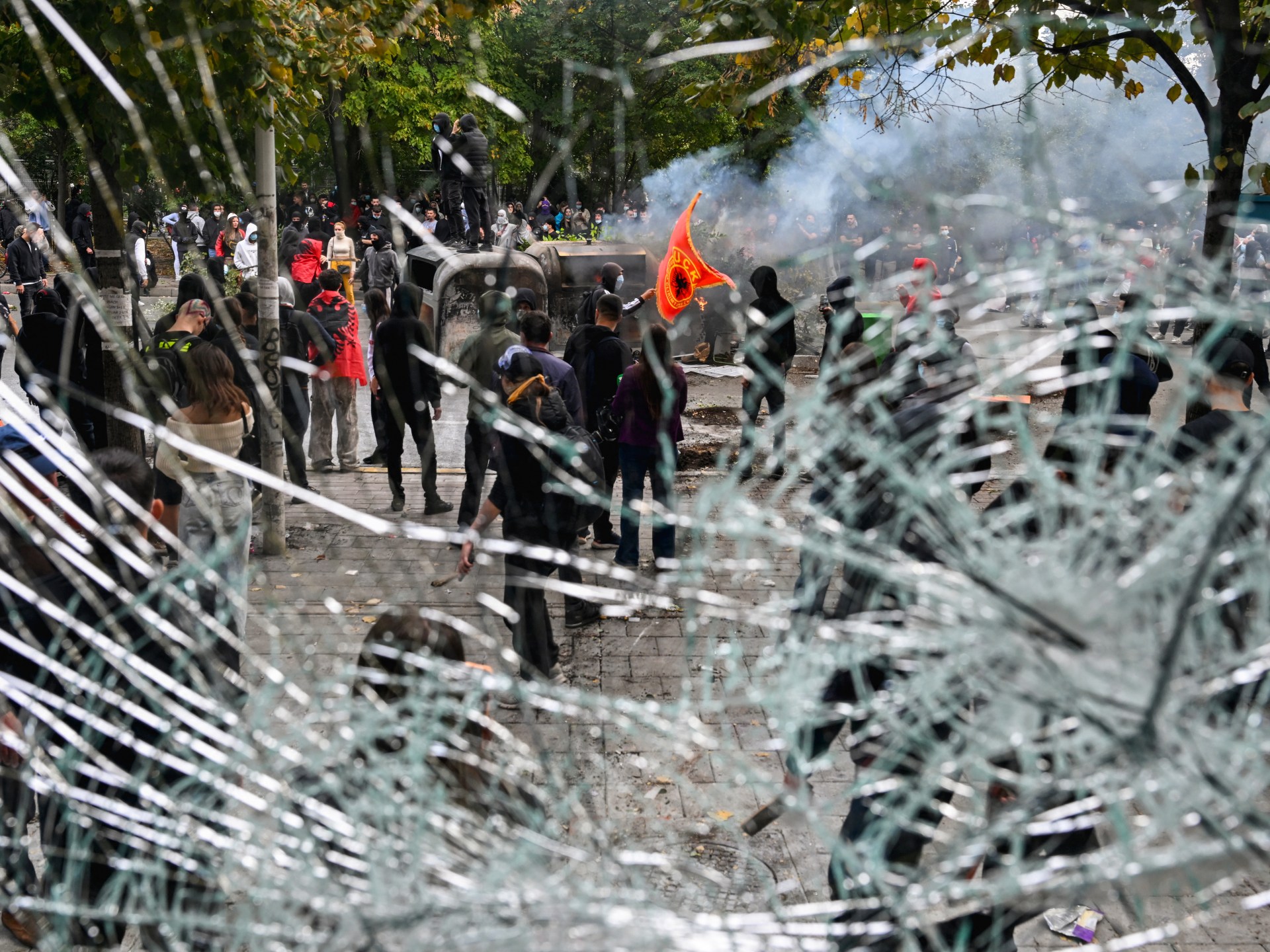
The political landscape in Albania is currently facing significant upheaval as Albania protests enter their third consecutive day. Prime Minister Edi Rama has remained steadfast, firmly dismissing widespread demands for his resignation despite intense clashes between demonstrators and riot police in Tirana. The unrest, which began over local university conditions and economic grievances, has expanded into a broader movement targeting government corruption and controversial foreign-backed development projects.
- Prime Minister Edi Rama has rejected calls for his resignation, citing his mandate for European Union integration.
- The protests have spread from the capital, Tirana, to various smaller cities, with student boycotts gaining momentum.
- Key points of contention include alleged government corruption, the high cost of living, and a luxury resort development linked to Jared Kushner.
- Official reports indicate dozens of arrests and multiple injuries, with both police officers and demonstrators requiring hospitalization.
Background & Context (What Just Happened?)
The current volatility in Albania is the culmination of months of underlying frustration. While the immediate trigger for the current surge of unrest involves university conditions, the movement has deep roots in a series of socio-political challenges facing the Balkan nation. Demonstrators have taken to the streets to express their dissatisfaction with a system they perceive as nepotistic and exclusionary. The situation escalated rapidly when protesters issued an ultimatum for Rama’s resignation, leading to violent confrontations in Skanderbeg Square and the destruction of public property.
Root Cause & Deep Dive Analysis (Why Did This Happen?)
The Albania protests are not an isolated event but rather a reflection of systemic fatigue. Many participants, particularly the youth demographic, feel that the promise of economic prosperity remains unfulfilled. The rhetoric on the ground is sharp; protesters frequently use the term corruption to describe the political status quo, arguing that professional success in the country is often contingent upon personal connections rather than merit. This narrative of a broken system is compounded by environmental and sovereignty concerns regarding the sale of protected coastal land to international developers. Such projects, which have previously been the subject of controversy, are seen by many as a betrayal of local interests in favor of global financial elites.
Moreover, the government’s response has fueled further indignation. By framing the protesters as agents of chaos or forces intent on derailing Albania’s European future, the administration has arguably deepened the divide between the state and the populace. The physical damage to public institutions, including the office of the College of Europe, has allowed the government to pivot the conversation toward law and order rather than addressing the core economic anxieties that sparked the initial rallies.
Strategic Implications & Future Impact (What Does This Mean Globally?)
The internal instability in Tirana presents a complex challenge for the European Union. Albania is currently positioning itself as a forerunner for EU membership, a process that requires strict adherence to democratic standards and the rule of law. Continued civil unrest and harsh crackdowns threaten to undermine the narrative of a stable, reform-ready candidate state. Furthermore, the presence of US-linked commercial interests in the development disputes adds a geopolitical layer to the internal unrest, potentially complicating Albania’s diplomatic relations. As the country navigates these Albania protests, the international community will be watching closely to see if the government can facilitate a peaceful resolution or if the cycle of instability will necessitate a more drastic shift in the political landscape, much like the patterns observed during other global protest movements that have fundamentally altered national policies.
Conclusion & What to Watch Next
Moving forward, the primary concern is whether the government can find a path to meaningful dialogue. While Prime Minister Rama has indicated a willingness to discuss education costs, the broader demands regarding accountability and systemic reform remain unaddressed. If the student boycotts continue to spread and the violence persists, the government may find it increasingly difficult to maintain its current stance. Observers should monitor the frequency of arrests, the rhetoric used by opposition leaders, and the potential for international mediators to weigh in on the stability of the Albanian government. The next few weeks will prove decisive in determining whether Tirana can maintain its path toward integration or if it will be sidelined by its internal domestic crises.