
A pet-owner’s guide to a cleaner home: Your top 5 questions, answered
Is your home experiencing a sudden, inexplicable surge in fur? You’re not imagining things! Late spring often ushers in “coat blow” season, a weeks-long period where our beloved dogs and cats shed their winter undercoats with gusto, transforming furniture into fluffy landscapes. Fret not, fellow animal lovers! We’ve compiled essential pet cleaning tips, gathered from expert advice, to help you reclaim your pristine living space.
Tackling the Avalanche: Essential Pet Hair Cleaning Strategies
Many homeowners instinctively reach for the vacuum when confronted with a furry onslaught. While admirable, this often feels like an exercise in futility, akin to trying to mop a floor while the tap is still running! The most impactful initial step against persistent pet hair accumulation? Brushing. Regularly removing that loose undercoat *before* it settles onto your upholstery can dramatically reduce the amount of fur spread throughout your abode.
For the hair that inevitably escapes, your vacuum is indeed your ally – but only with the right weaponry. Forget the standard suction nozzle; it merely glides over the surface. Instead, equip your machine with a motorized or turbo-brush head. These ingenious attachments feature spinning brushes designed to agitate and lift embedded hair from carpets and fabrics, making your efforts truly effective. This is one of the most crucial pet cleaning tips for any multi-pet household.
Eradicating Pet Accidents: Odor & Stain Solutions
A rogue “accident” on the rug can be more than just an unsightly stain; it’s a beacon for repeat offenses. If the odor isn’t completely neutralized, your furry friend may perceive that spot as their designated potty area, inadvertently training them to return. A half-hearted cleanup, therefore, can actually worsen the problem.
Begin by gently lifting any solids with a paper towel, applying the lightest touch to avoid pressing the mess deeper into the fibers. Remember: blot, never rub! Following this, an enzyme cleaner becomes your secret weapon. These specialized formulas contain bio-enzymes that literally digest organic matter, eliminating the scent at its source. Follow the product’s instructions meticulously for dwelling time and application to ensure no trace remains, breaking the cycle of return visits.
Safeguarding Your Sanctuary: Pet-Safe Bathroom Cleaning
The bathroom, paradoxically, can be one of the riskiest zones for pets due to the potent cleaning agents often stored and used there. Bleach, harsh disinfectants, and strong acids pose significant dangers, especially when pets are prone to drinking from taps or even the toilet, and later licking their paws. Cats, in particular, are exceptionally vulnerable, lacking a specific liver enzyme crucial for breaking down certain chemical compounds. The terms “natural” or “scented” on a label, alarmingly, do not automatically equate to safety.
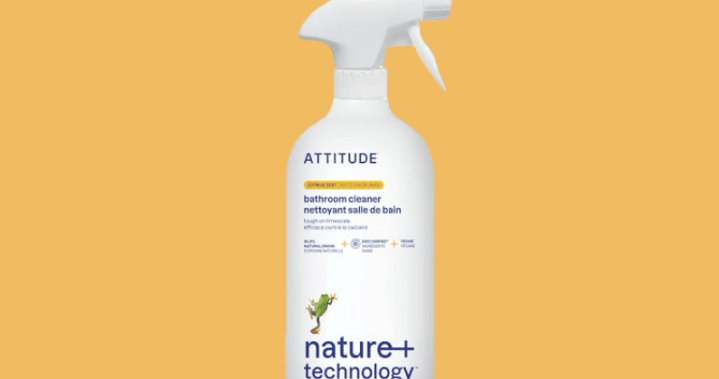
For daily upkeep, opt for cleaners built on plant-based surfactants and citric acid, explicitly free of ammonia, bleach, or alcohol. When disinfection is necessary, select an unscented disinfectant and, critically, ensure your pet is kept entirely out of the room until all surfaces are thoroughly dry. Many disinfectants are only safe once dry, not while wet. As an additional safeguard, consider rinsing treated surfaces with a clean cloth and water after the disinfectant has done its job.
Beyond the Sniff Test: The Importance of Pet Bedding Hygiene
Pet beds and blankets are veritable magnets for everything from loose hair and dander to body oils and whatever delightful detritus your pet drags in from outside. They become odorous, yes, but more importantly, they are significant reservoirs of allergens. The simple truth? These items demand weekly washing. Do them in a separate load from your own laundry, utilizing the hottest water temperature their care tags permit.
When it comes to detergent, fragrance-free options are paramount. Dyes and perfumes can leave irritating residues that linger against your pet’s skin day in and day out. Moreover, our pets possess far more sensitive noses than we do, making strong scents a potential source of constant discomfort. For those with particularly sensitive pets, adding an extra rinse cycle to the wash can provide further assurance. Here’s a pro-tip for efficient pet cleaning tips: run bedding through the dryer on a no-heat setting *before* washing. This brilliant maneuver sheds loose hair into the lint trap, preventing it from clumping in the wash and potentially clogging your drain.
Toys, Leashes, and Bowls: The Hidden Germ Factories
Surprisingly, some of the germiest items in your household are those closest to your furry companions: their toys and food bowls. Yet, cleaning these varies wildly by material. Fabric toys, particularly those with squeakers or glued-on embellishments, shouldn’t endure a harsh hot wash. Instead, place them inside an old pillowcase or a mesh laundry bag, wash on a gentle, cold cycle with fragrance-free detergent, and then air-dry them completely.
Plastic or rubber toys are simpler; a ten-minute soak in hot, soapy water followed by a thorough rinse does the trick. Leashes, after removing any tags, can also go into a mesh bag for a gentle wash and then air-dry. The National Sanitation Foundation wisely recommends cleaning toys, bedding, and leashes anywhere from weekly to monthly, depending on their usage. However, food and water bowls? Those should be washed *daily* without fail. Implementing these diverse pet cleaning tips ensures every aspect of your pet’s environment remains hygienic.