
Developing countries spend more repaying foreign debt than on education, UN reveals
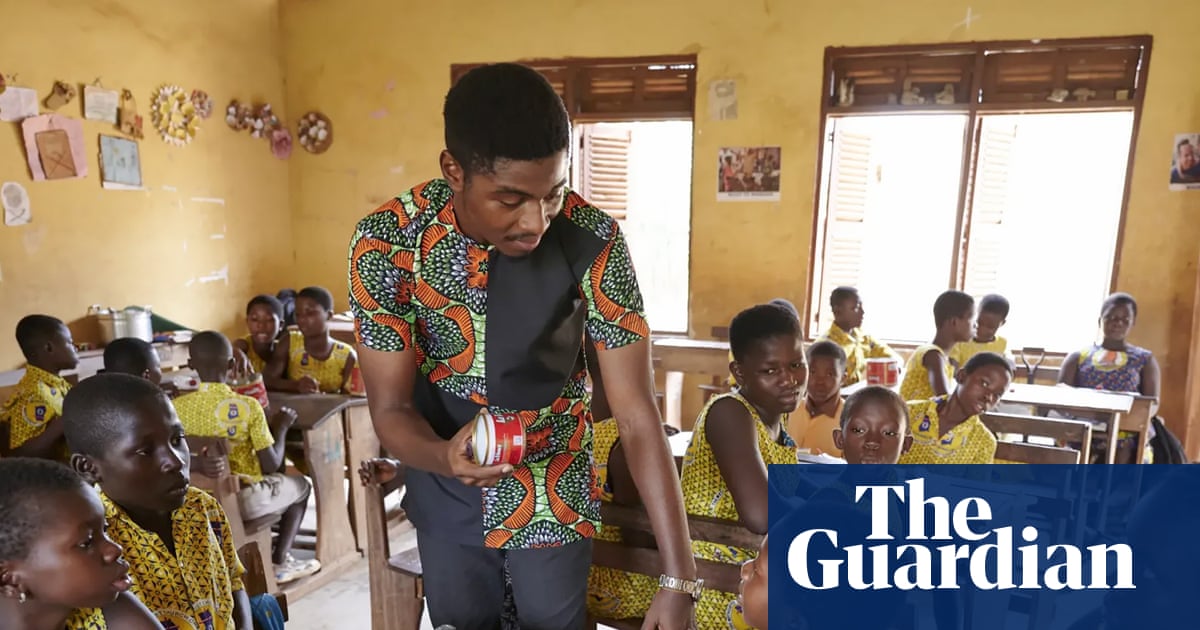
A staggering revelation from the United Nations paints a grim picture for the future of countless children across the globe. Developing nations, caught in an inescapable financial vortex, are now funnelling significantly more resources into servicing crippling foreign debt than into the fundamental bedrock of their societies: education. This alarming trend signals a deepening global Education Spending Crisis, threatening to derail progress and entrench cycles of poverty for generations.
Research by Unesco, the UN’s cultural and education agency, indicates a truly dire situation: 113 developing countries spent less on education than on debt repayment last year. The disparity is particularly stark in sub-Saharan Africa, where nations astonishingly allocated 3.6 times more funds to debt than to schooling. This crisis is exacerbated by predicted cuts to global education aid, projected to decline by up to 30% by 2027, with some of the world’s most vulnerable countries already experiencing dramatic reductions.
The Vicious Cycle of the Education Spending Crisis
Min Jeong Kim, director of Unesco’s education division, articulated the severe implications: “Current approaches really keep the countries trapped in a cycle of austerity, underinvestment and stalled development.” This relentless pressure, she warned, erodes domestic revenue mobilization, weakens economic growth, and ultimately diminishes a nation’s capacity to manage its debt burdens effectively over time. Tragically, children are bearing the brunt, losing precious learning opportunities to the unforgiving demands of loan servicing.
The numbers are frankly shocking. Eighteen of the most indebted nations poured five times more into debt than into education. Sri Lanka, for example, diverted a staggering 16 times more. According to Debt Justice, a UK-based campaign group, repayments by lower-income countries soared to a 35-year high last year. Fifty-six countries are now dedicating almost a fifth of their entire revenue simply to service these loans. Tim Jones, policy director at Debt Justice, highlighted the confluence of factors: “Countries’ debt payments have ballooned following a series of shocks from Covid, energy price and interest rate rises and climate disasters.” He added that in the worst-affected regions, this directly translates into critical cuts in essential services, including healthcare and, crucially, education.
Further compounding the problem are significant aid cuts from powerful global players, including the US and Europe. Funding for education plummeted by $600 million (£470 million) in 2024 alone, with further decreases anticipated. The cumulative effect of dwindling aid and public spending diverted to debt servicing has created widespread disruption within education systems. Schools struggle to operate, teachers remain unpaid, and the long-term developmental prospects of these nations are severely compromised. This persistent Education Spending Crisis not only stifles present learning but also cripples future economic growth and self-sufficiency.
Unesco has unequivocally called for a paradigm shift in debt relief structures. The agency advocates moving beyond short-term fixes towards long-term arrangements that explicitly enable countries to sustainably fund vital public services. Furthermore, Jones from Debt Justice stressed the critical need to prevent private lenders, often based in financial hubs like Britain and the US, from obstructing agreements purely to extract greater profits. Such actions were recently witnessed with Ethiopia.
“The UK needs to use its presidency of the G20 in 2027 to get major changes to the debt-relief process, including more debt cancellation and a faster process,” Jones asserted. He emphasized that incorporating the debt relief process into English law would prevent private creditors from disrupting and holding out for undue financial gain. The global community stands at a crossroads: prioritize debt ledgers or invest in the minds that will shape tomorrow. For the sake of millions of children, the choice must be clear.