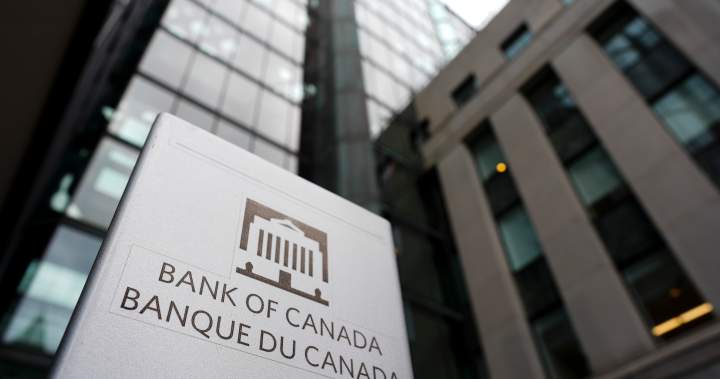
OTTAWA – In a widely anticipated move, the Bank of Canada announced Wednesday it would maintain its benchmark interest rate at 2.25 per cent. This pivotal Bank of Canada Rate Hold marks the fourth consecutive decision to keep rates steady, signaling continued caution as the three-month-old Iran conflict casts a long shadow over the global economy. Uncertainty, thick as a winter fog, continues to define the international financial landscape.
Understanding the Bank of Canada Rate Hold
The central bank’s decision underscores a “volatile” global economic environment, heavily influenced by the protracted war in Iran and the shifting sands of U.S. trade policy. These factors, explicitly cited by the bank, remain “ongoing sources of volatility,” making any premature rate adjustment a perilous gamble.
Indeed, financial markets have been anything but calm. Daily shifts in Middle Eastern developments, coupled with fluctuating market expectations regarding future inflation and interest rates, have created an unpredictable climate. The Iran war, in particular, has driven energy prices skyward and severely disrupted transportation networks. For oil-importing nations worldwide, this has meant dwindling growth prospects and an undeniable surge in global inflation. The central bank remains steadfast in its current Bank of Canada Rate Hold, navigating these complex fiscal waters with extreme caution.
Brent crude, the international benchmark, hovered around US$109 per barrel at the time of the announcement. While the Bank of Canada projects a decline to approximately US$75 per barrel by mid-2027, the immediate impact on global energy markets is profound. Iran’s strategic blockade of the Strait of Hormuz—a choke point crucial for 20 per cent of the world’s oil supply—in retaliation for U.S. and Israeli actions, has exacerbated an already dire global fuel crisis. Attacks on energy sites across the Persian Gulf only amplify this perilous situation, reshaping global economic trends as they unfold.
For everyday Canadians, the ramifications are stark and immediate. Higher prices at the gas pumps are an unavoidable reality. Moreover, the cost of groceries continues its ascent as food suppliers, grappling with their own increased operational costs, have begun implementing fuel surcharges on food deliveries. This trickle-down effect impacts household budgets nationwide.
Canada’s overall inflation rate edged up to 2.4 per cent in March, a notable jump from February’s 1.8 per cent. This acceleration was primarily fueled by soaring energy costs directly attributable to the Iran war and the critical closure of the Strait of Hormuz. Interestingly, when stripping out the volatile component of gasoline, the inflation pace actually decelerated slightly in March to 2.2 per cent, down from 2.4 per cent the month prior. Food prices, however, tell a different story altogether. Purchases from grocery stores saw a 4.4 per cent increase in March, intensifying from February’s 4.1 per cent rise. Fresh vegetables bore the brunt of this inflationary pressure, skyrocketing by a staggering 7.8 per cent in March, a stark contrast to the mere 0.5 per cent increase observed in February.
About the Author