Introduction: Understanding the Ceasefire Agreement
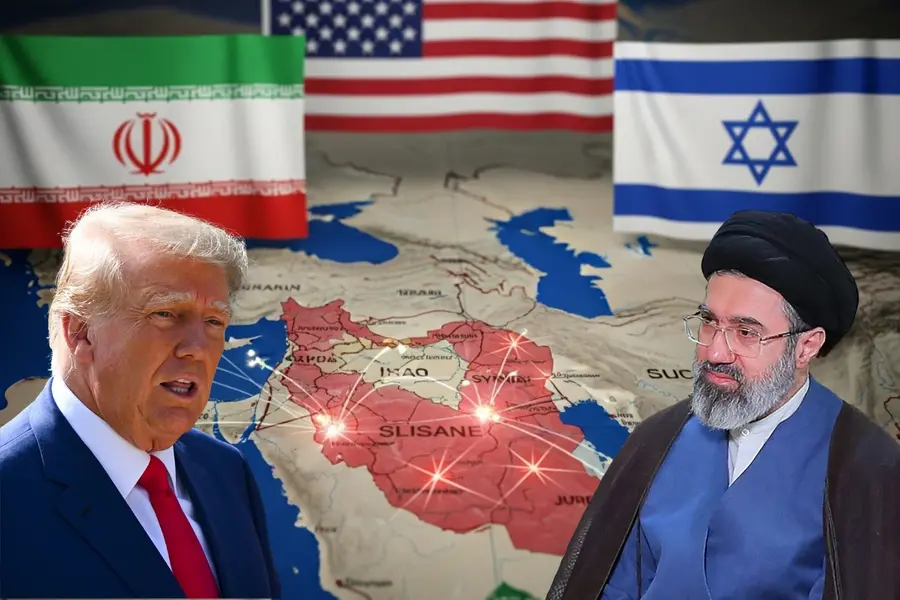
The word ceasefire is often thrown around during times of global conflict, but rarely has it carried as much weight as it does today. In April 2026, the world collectively held its breath as a temporary halt to hostilities was announced in the devastating conflict involving Iran, the United States, and Israel. After weeks of relentless missile strikes, downed aircraft, and crippled infrastructure, the guns have finally gone silent at least for now.
But what exactly does this pause mean for the global community? Is a temporary truce enough to pull the world back from the brink of a massive regional war, or is it merely a brief intermission before the violence escalates further? In this comprehensive breakdown, we will explore the intricacies of this crucial agreement, its massive impact on the global economy, and what we can expect in the coming weeks.
Read our detailed timeline of the 2026 Middle East Crisis to understand how the war began.
The Islamabad Accords: Brokering the Ceasefire
Achieving a pause in military action when tensions are this high is never simple. It requires intense back-channel negotiations, massive compromises, and neutral mediators willing to step into the diplomatic crossfire.
The Role of International Mediators
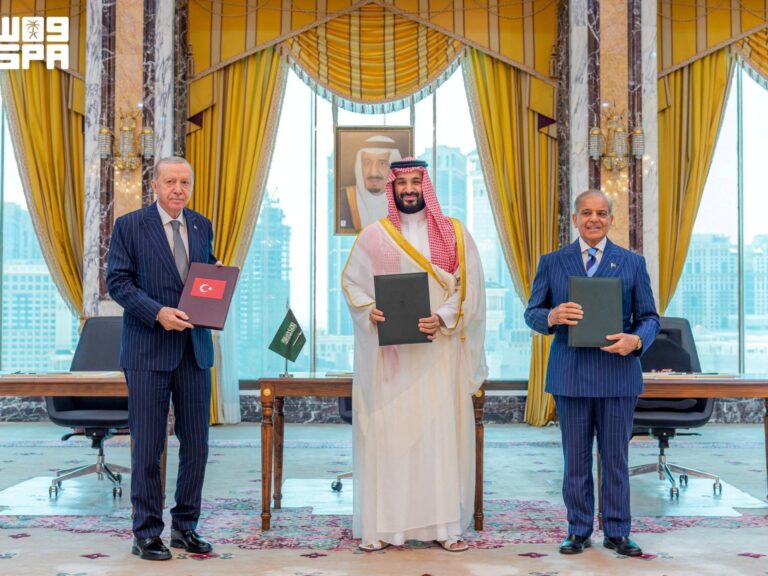
The current two-week ceasefire was brokered under what is now known as the “Islamabad Accords.” Due to deeply broken diplomatic ties between the primary warring nations, direct communication was impossible. Pakistan stepped up as a vital intermediary. Utilizing its geographic proximity and unique geopolitical relationships, Islamabad became the neutral ground where representatives could finally hammer out the terms of a temporary truce. Without this crucial mediation, military experts agree that the conflict would have rapidly spread to neighboring Gulf nations.
Ceasefire vs. Peace Treaty: Knowing the Difference
It is vital to understand that a ceasefire is not a peace treaty. A peace treaty is a formal, permanent end to a war that resolves the underlying political disputes. A ceasefire, on the other hand, is simply a temporary suspension of fighting. In the context of the 2026 conflict, this agreement is strictly a 14-day pause designed to allow for humanitarian aid, the recovery of casualties, and the initiation of formal peace talks. The armies remain mobilized, and as Iranian leadership starkly noted, their “hands are still on the trigger.”
Economic Ramifications of the Temporary Ceasefire
When major military powers clash, the fallout is never confined to the battlefield. The global economy has been bleeding out since February 2026, making this pause an absolute necessity for global financial markets.
Stabilizing Global Oil Prices
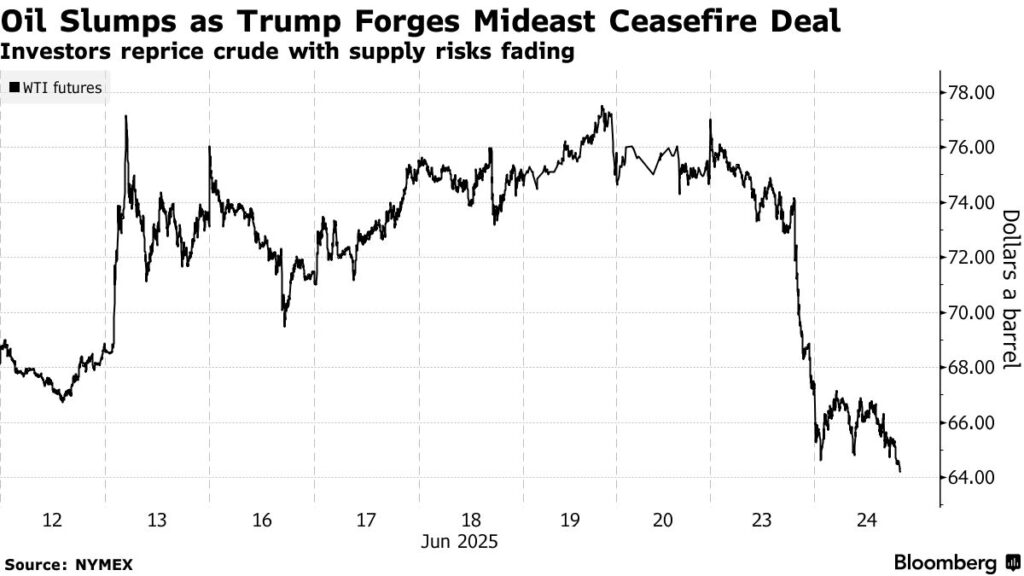
One of the primary conditions for this ceasefire was the immediate reopening of the Strait of Hormuz. When the conflict began, the blockade of this critical maritime route sent shockwaves through the energy sector. Crude oil prices shattered historical ceilings, and everyday consumers felt the pain at the gas pump and in their utility bills. The moment the truce was announced, global oil markets experienced a massive sigh of relief. Prices dropped sharply within hours of the announcement, providing immediate, albeit temporary, relief to inflation-stricken nations across Europe and Asia.
Relief for the Global Supply Chain
Beyond the energy crisis, the international supply chain has been begging for a ceasefire. Major shipping conglomerates were forced to abandon the Middle Eastern routes entirely, rerouting massive cargo ships around the continent of Africa. This added weeks to delivery times and drove up freight insurance premiums to completely unsustainable levels. With the temporary halt in violence, commercial vessels are cautiously resuming their normal routes. Retailers, manufacturers, and e-commerce giants are hoping this pause lasts long enough to clear the massive backlog of stranded goods and raw materials.
Ceasefire Violations Undermine Iran War Truce, Pakistan Says
Will the Ceasefire Hold? Future Outlook and Challenges
While the global economy celebrates and civilians in the conflict zones finally get a moment of peace, political analysts remain highly skeptical about the long-term viability of this truce.
Underlying Tensions Remain Unresolved
The fundamental issues that sparked this war have not been addressed. The US and Israel remain fiercely opposed to Iran’s nuclear enrichment capabilities, while Iran continues to demand the lifting of crippling economic sanctions and recognition of its regional sovereignty. Expecting these deeply entrenched, decades-old issues to be resolved during a 14-day ceasefire is incredibly optimistic. The upcoming negotiations in Islamabad will be incredibly tense, as every faction will try to use the threat of returning to war as leverage.
The Danger of a Failed Ceasefire
If the upcoming diplomatic talks collapse, the resumption of hostilities will likely be far more severe. Military forces on all sides are using this pause to resupply, repair infrastructure, and reposition their assets. A failed truce often leads to a phenomenon known as “escalation dominance,” where both sides attempt to strike harder and faster than before to gain a decisive upper hand. Furthermore, cyber warfare which has remained relatively restrained so far could be unleashed on a massive scale, targeting power grids, banking systems, and hospitals globally.
Conclusion: The World Watches and Waits
The 2026 ceasefire is a testament to the power of diplomacy in the face of absolute destruction. It has temporarily saved the global economy from a catastrophic depression and spared countless lives from the horrors of modern warfare. However, the clock is ticking loudly. Fourteen days is a painfully short window to solve one of the most complex geopolitical crises of the 21st century.
As the world watches the closed-door negotiations in Islamabad, we can only hope that world leaders choose the difficult path of compromise over the devastating reality of a renewed war.
What are your thoughts on this temporary truce? Do you believe the diplomats can secure a permanent peace deal, or is a return to conflict inevitable? Share your opinions in the comments below!
About the Author