
Christa Pike in critical condition after surviving two lethal injections, lawyer says
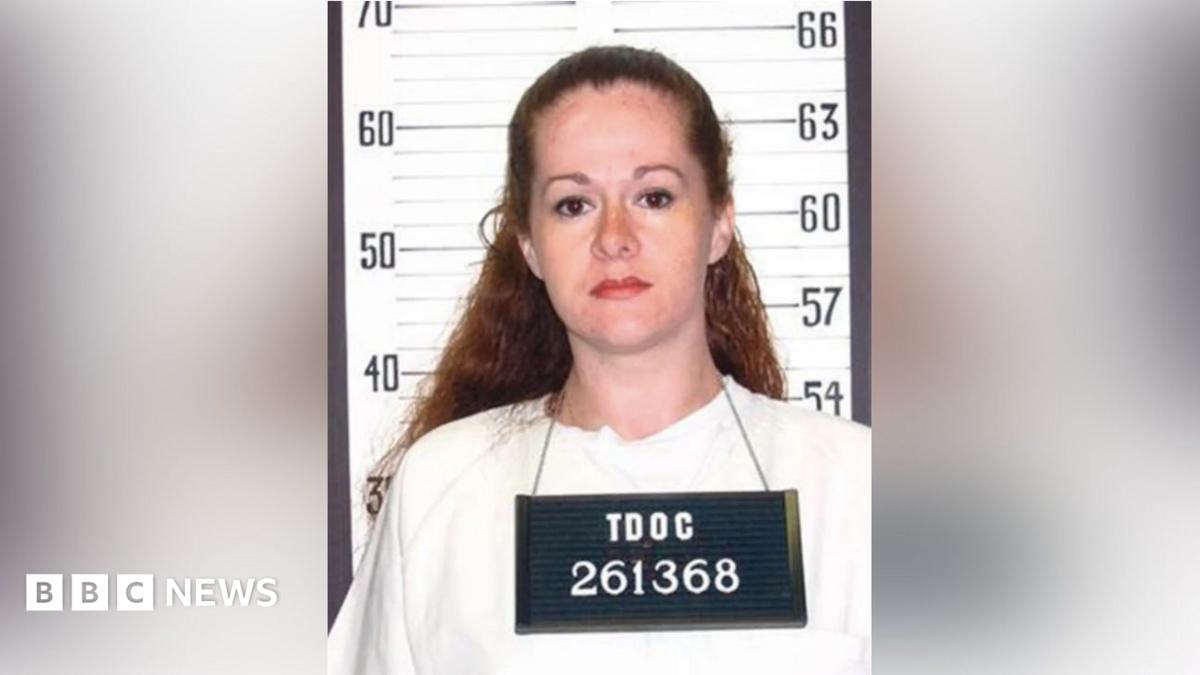
The state of Tennessee is currently grappling with a harrowing legal and moral crisis after Christa Pike, a long-term death row inmate, survived two separate attempts at lethal injection. The incident has left the 50-year-old in critical condition, forcing state officials to pivot from a planned execution to providing life-saving emergency medical care. This alarming development has reignited national debates regarding the humanity of capital punishment and the reliability of state-sanctioned protocols.
Representing the inmate, attorney Randy Spivey confirmed that his client remains alive, though he could offer little clarity on her long-term prognosis. The events of this past Wednesday, which saw the administration of two doses of pentobarbital, have now become the subject of an intense, independent review ordered by Governor Bill Lee. As the legal community and the public process these events, the national discourse on the death penalty is shifting toward whether such failures constitute a violation of constitutional protections against cruel and unusual punishment.
The Failed Execution of Christa Pike
The details emerging from the scene are disturbing. Defense attorneys described a process fraught with technical failures, alleging that medical staff struggled for an entire hour to establish a functional intravenous line. Reports indicate that at least seven needles were utilized in the process, leaving the inmate in unnecessary agony. For many, this brings to mind similar procedural failures, such as the botched attempt involving other inmates, raising questions about whether the state is adequately equipped to carry out these sentences.
Following the administration of the lethal chemicals, witnesses were sequestered behind a darkened curtain, leaving legal observers in the dark regarding the inmate’s actual status. It was only after a significant delay that it became clear the procedure had failed to achieve its intended outcome. The Tennessee Department of Correction, however, has maintained that it followed all established legal protocols. Despite this defense, the sheer reality of the failed procedure has compelled the Governor to pause all upcoming executions for the remainder of the year.
Broader Implications for the Justice System
The controversy surrounding Christa Pike is not an isolated incident in Tennessee. In May, officials were similarly forced to halt the execution of Tony Carruthers due to an inability to locate a vein for administration. These back-to-back failures have created a political firestorm. Republican Senator Marsha Blackburn has called for a return to older methods like the electric chair, a stance that has faced immediate and sharp backlash from political opponents who view such suggestions as regressive and inhumane.
As the state navigates the fallout of this botched attempt, the family of the victim, Colleen Slemmer, continues to endure the trauma of a justice system that seems unable to finalize its rulings. The legal battle is now shifting toward a request for a commuted sentence, as defense lawyers argue that the state has exhausted its lawful opportunity to carry out the death penalty. With an independent investigation looming, the eyes of the nation are fixed on Tennessee, waiting to see if these systemic failures will lead to a broader moratorium on the death penalty or a desperate search for alternative, yet equally controversial, methods of execution.