Zimbabwe’s legislative landscape is ablaze with controversy. A recent vote in the upper house of parliament has ignited fierce debate, dramatically reshaping the future of the Zimbabwe presidential term and prompting widespread accusations of a “constitutional coup.”
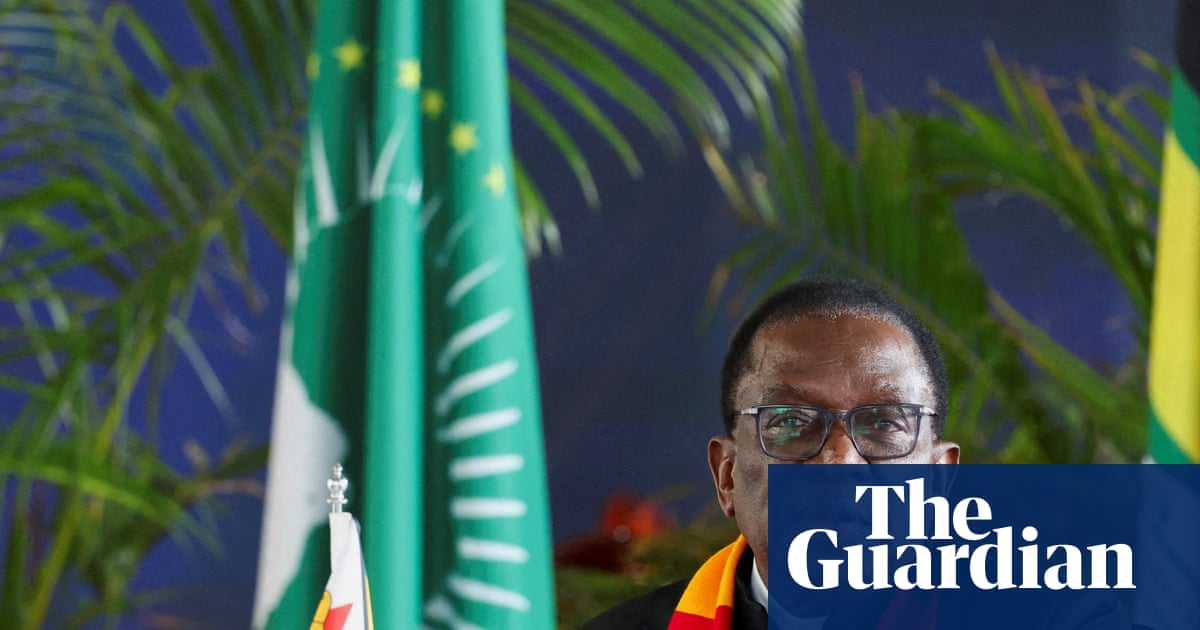
On Wednesday, the Senate delivered a decisive 75-4 vote in favor of constitutional amendments. These sweeping changes will extend presidential terms from five to an astonishing seven years, potentially allowing incumbent President Emmerson Mnangagwa, 83, to remain in office until 2030. Furthermore, the bill, already passed by the lower house, seeks to abolish direct presidential elections, replacing them with a parliamentary appointment process. Critics fear this move is designed to inextricably tighten the ruling Zanu-PF party’s four-decade grip on power, a legacy stretching back to independence in 1980.
Controversial Amendments Reshape Zimbabwe Presidential Term
Opposition figures wasted no time in condemning the legislative maneuver. Makomborero Haruzivishe of the Constitutional Defenders Forum (CDF) minced no words, calling it “a calculated constitutional coup against the people of Zimbabwe.” He argued passionately that the amendments strip citizens of their fundamental right to directly elect their leader, supplanting popular sovereignty with a selection by what he termed a “captured legislature.” Such changes, opponents warn, risk dragging the nation back to the era of repression witnessed under Robert Mugabe, whose 37-year rule ended only in 2017 following a military-backed transition that saw Mnangagwa rise to power.
However, the government staunchly defends its actions. Nick Mangwana, the permanent secretary in Zimbabwe’s information ministry, dismissed the “coup” label as “factually incorrect and deeply disrespectful.” He asserted that the primary objective is to bolster political stability and ensure continuity in policy. Mangwana emphasized that term limits are not being removed, merely adjusted to alleviate the frequency of “highly contested, polarising elections.” He also brushed aside demands for a national referendum, citing the attorney general’s finding that no legal basis exists for such a people’s vote.
Amidst the legislative wrangling, disturbing reports of harassment have surfaced. Tendai Biti, a prominent convenor for the CDF, alleges that security forces have raided his office no less than six times since October 2025. In March, lawyer Lovemore Madhuku, who challenged the amendment bill in court, claimed he was brutally beaten by masked assailants who then departed in unmarked vehicles, reportedly shadowed by police units. Photos of Madhuku’s injuries circulated widely. While Zimbabwe’s police force vehemently denies any involvement in these incidents, Mangwana urged any individuals possessing “credible evidence” of state agent harassment to lodge formal complaints.
The integrity of the public consultation process itself has been called into question. Mangwana claims the process garnered 537,000 submissions, with an “overwhelming majority supporting the constitutional changes.” Yet, Jameson Timba, a former minister, countered these claims, stating that he and his allies were actively prevented from speaking during public hearings. He labelled these consultations a “fraud,” asserting they were not representative of the populace.
Zimbabwe’s political landscape has long been fraught with challenges. The nation endured international isolation following Mugabe’s controversial land seizures in the 2000s, which precipitated economic collapse and hyperinflation. In 2024, the United States imposed new financial restrictions on President Mnangagwa, his wife, and several other individuals, citing allegations of corruption. Many Zimbabweans lament that Mnangagwa’s administration mirrors the authoritarian tendencies of his predecessor, further exacerbating concerns about the future of democratic governance as the Zimbabwe presidential term rules are altered.
About the Author