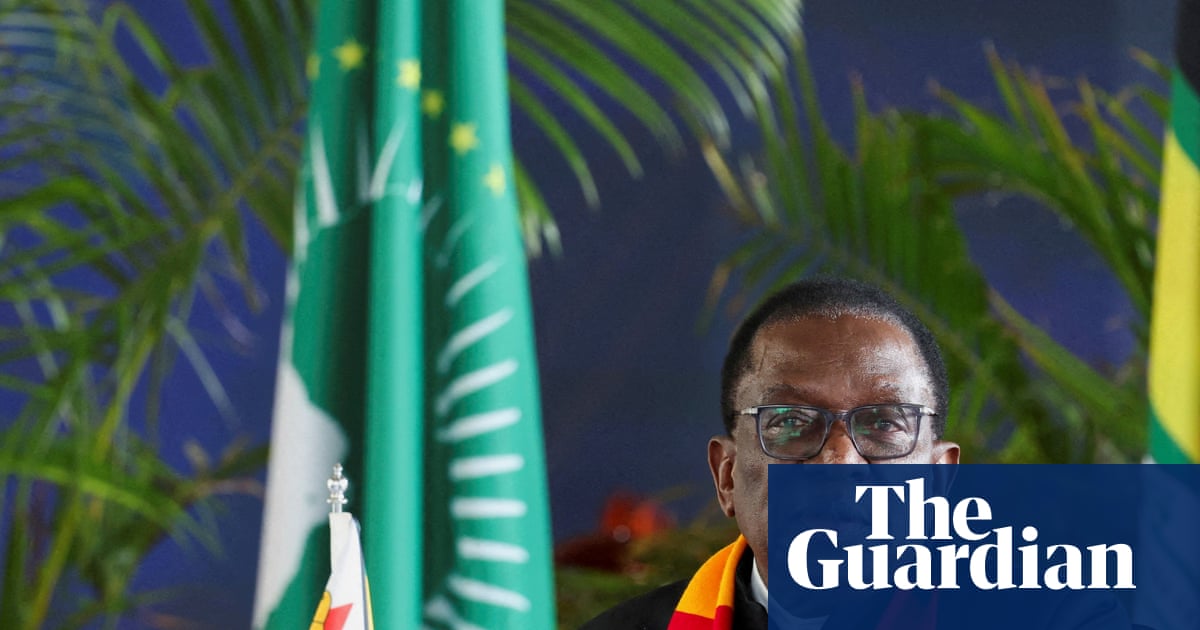
Harare, Zimbabwe – A seismic shift is underway in Zimbabwe’s political landscape, as the nation’s upper legislative chamber has decisively voted to extend the Zimbabwe presidential term from five to seven years. This contentious move, which critics decry as a “constitutional coup,” could see 83-year-old President Emmerson Mnangagwa remain in office until 2030, significantly tightening his and the ruling Zanu-PF party’s formidable grip on power.
On Wednesday, the Senate cast a formidable 75-4 vote in favor of these sweeping constitutional amendments. The bill, already passed by the lower house, is now awaiting presidential assent, expected next month. Beyond merely extending the tenure, the legislation also dramatically alters the very mechanism of presidential selection, replacing direct popular elections with an appointment system via parliament. This change sends shivers down the spines of opposition figures who recall the repressive era of Robert Mugabe.
The Battle Over Zimbabwe Presidential Term Length
The government insists these alterations are a crucial step towards fostering political stability and ensuring policy continuity, framing them as a legitimate legislative exercise. Nick Mangwana, permanent secretary in Zimbabwe’s information ministry, vehemently rejected the “constitutional coup” label. “We are not removing presidential term limits,” Mangwana stated, “we are simply adjusting the electoral cycle to reduce the frequency of highly contested, polarising elections.” He further dismissed calls for a referendum, citing a lack of legal basis.
However, the voices of dissent are growing louder and more desperate. Makomborero Haruzivishe, spokesperson for the Constitutional Defenders Forum (CDF), a group actively campaigning against these amendments, minced no words. He labeled the move a “calculated constitutional coup against the people of Zimbabwe,” asserting it strips citizens of their fundamental right to directly elect their leader, replacing popular sovereignty with parliamentary selection by what he termed a “captured legislature.”
Claims of harassment against opponents of the constitutional amendments have also surfaced, casting a dark shadow over the process. Tendai Biti, a convenor for the CDF, reported multiple intrusions by security forces into his office. Even more alarming, lawyer Lovemore Madhuku, who challenged the bill in the constitutional court, alleged he was physically assaulted by masked individuals who then drove off, reportedly followed by police vehicles. While Zimbabwean police have denied involvement in these specific incidents, they did confirm officers were dispatched to Biti’s office for “maintenance of law and order.”
President Mnangagwa, often referred to as “The Crocodile,” secured a second term in 2023 with 52.6% of the vote. That election, however, was not without its own controversies, drawing criticism from both international observers and local opposition groups. Many Zimbabweans perceive Mnangagwa’s administration as a continuation of Mugabe’s authoritarian legacy. Indeed, the United States recently imposed recent international measures against Mnangagwa, his wife, and several others, citing allegations of corruption. The debate surrounding the Zimbabwe presidential term extension highlights deep-seated anxieties about democratic backsliding and the concentration of power in a nation with a tumultuous political past.
Jameson Timba, a former minister during Zimbabwe’s government of national unity, criticized the public consultation process, alleging that he and his allies were systematically prevented from speaking. He dismissed the hearings as a “fraud,” arguing they did not genuinely represent public sentiment. This extension of the Zimbabwe presidential term is thus more than a mere bureaucratic adjustment; it is a profound test of the nation’s democratic institutions and the aspirations of its populace for a truly representative government.
About the Author