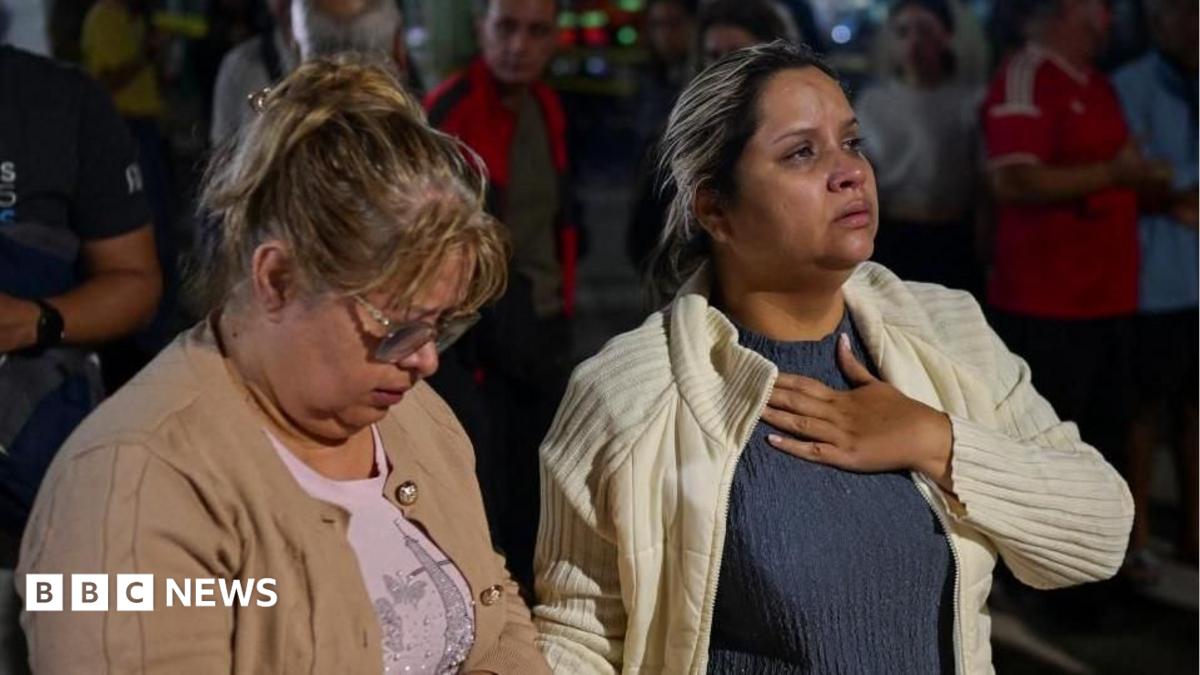
A catastrophic twin-quake event has shaken Venezuela to its core, leaving a trail of rising casualties and compounding an already precarious national landscape. This devastating Venezuela earthquake strikes at a moment of profound political flux, barely six months after former leader Nicolás Maduro’s dramatic arrest and extradition to the United States on drug-trafficking charges. The interim government, led by Delcy Rodríguez, now faces the monumental task of addressing this natural disaster amidst deep-seated societal divisions and a crumbling infrastructure.
The Venezuela Earthquake’s Echoes in a Divided Nation
The tremors, which struck on a Wednesday, have highlighted both continuity and startling shifts in the nation’s governance since the January raid. Rodríguez, now navigating the choppy waters of leadership, addressed the Venezuelan populace on state television hours after the initial shocks. Information, initially scarce due to obliterated communication lines in the hardest-hit zones, was also hampered by years of tight media restrictions. Hundreds of local radio stations and news sites, historically vital for localized updates during crises, remain silenced under policies established during the Maduro era.
Flanked by her brother Jorge, who orchestrated her interim presidential oath, and Interior Minister Diosdado Cabello, a staunch Maduro loyalist, Rodríguez presented a visibly shaken front. Unlike his usual military attire, Cabello stood in civilian clothes, a subtle yet significant detail in the post-Maduro reality. Rodríguez’s plea for national unity underscored the deep schisms that have characterized Venezuelan society for over a decade, a legacy of the Chávez and Maduro administrations.
She swiftly declared a state of emergency, appointing General Juan Ernesto Sulbarán to spearhead the emergency response. For a quarter-century, military officers have occupied crucial governmental positions, often sidelining civilian expertise. This enduring military influence is frequently cited by analysts as a key contributor to Venezuela’s widespread infrastructure decay, a systemic issue now gravely exposed by the powerful ground movements. Indeed, years of mismanagement and severe shortages, further exacerbated by lingering US sanctions, have led to a critical deterioration of public housing and vital services.
Consider the plight of the state-owned cement industry, nationalized under Chávez, which subsequently collapsed. This dramatic decline has engendered a profound lack of construction materials, preventing essential repairs on countless homes and public edifices, rendering them tragically vulnerable. Furthermore, the military’s historically prioritized funding has often come at the expense of equipping civil protection units with the modern tools and vehicles desperately needed for disaster relief.
A New Era of Cooperation?
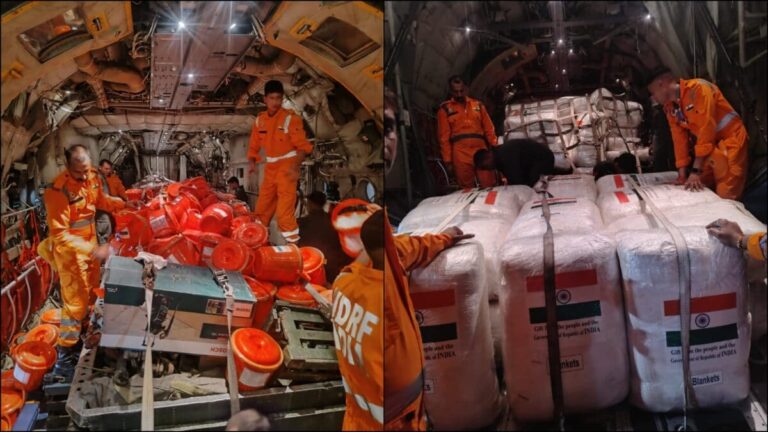
In a notable departure from previous administrations, Rodríguez publicly thanked foreign governments for their immediate offers of assistance. Strikingly, she singled out US President Donald Trump and his administration, acknowledging their “constant contact” and offers of support. Calls with leaders from the Dominican Republic, El Salvador, and thanks to Chile’s president—all helming right-wing governments—underscore a clear strategic pivot. This openness to international aid, regardless of ideological alignment, marks a profound break from Maduro’s isolationist policies, offering a fragile glimmer of hope for a populace reeling from unimaginable devastation. The profound impact of such seismic events often requires coordinated international efforts for disaster recovery. The current Venezuela earthquake demands a collective response, and Rodríguez’s pragmatic shift could prove pivotal.
About the Author