
Egyptian queen’s 673-diamond necklace stolen in Vienna smash-and-grab raid
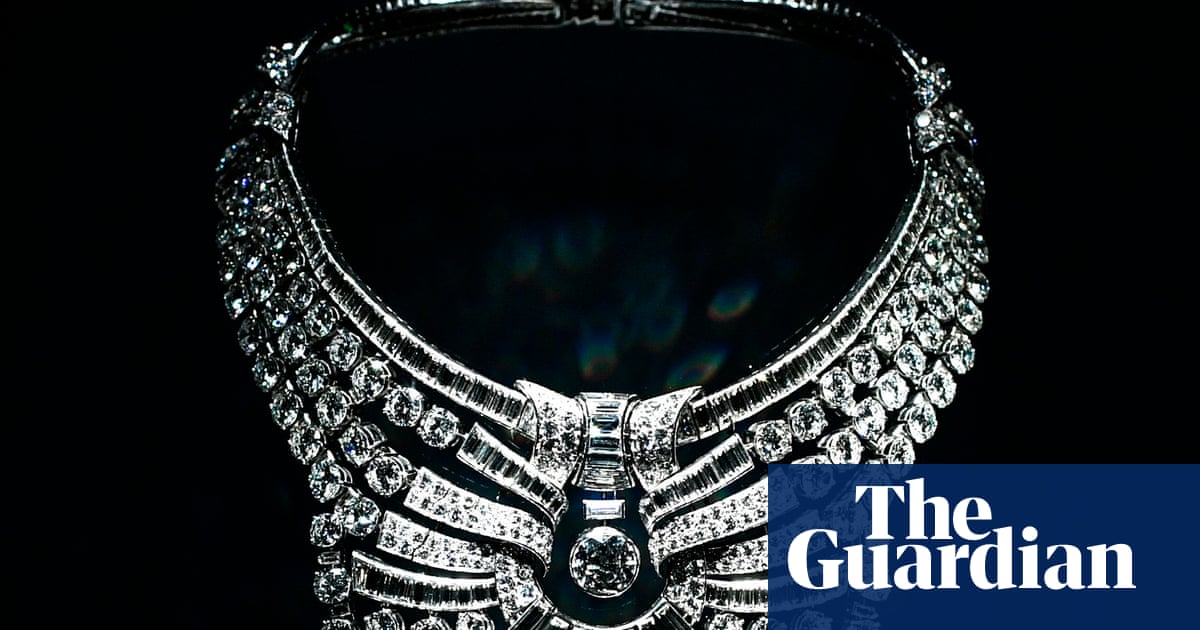
A brazen daytime smash-and-grab has sent shockwaves through the international art world, as two audacious thieves made off with a priceless 200-carat platinum and diamond necklace from a prestigious Vienna museum. The stolen artifact, famously known as the Queen Nazli Necklace, once graced the neck of Egyptian royalty and represents not just immense monetary value but also a significant piece of historical and cultural heritage. This alarming incident at the Museum of Applied Arts (MAK) highlights a disconcerting trend of increasingly bold and violent robberies targeting Europe’s cultural institutions.
The Audacity of the Heist
The scene unfolded with remarkable swiftness and nerve. On a seemingly ordinary Thursday afternoon, during regular opening hours, two unmasked individuals, having calmly purchased tickets, entered the exhibition hall. Their objective was chillingly clear: the exquisite Queen Nazli Necklace, displayed prominently within a glass case. With a sudden, jarring blow from a hammer, the display shattered, and the thieves snatched the glimmering collar, vanishing into the bustling city centre before bewildered witnesses could fully comprehend the unfolding drama. Austrian authorities swiftly launched a comprehensive manhunt, disseminating security camera images of the suspects to the public. Police fanned out across Vienna, even deploying a tracking dog, yet the perpetrators had melted into the urban labyrinth. Local media, citing investigative sources, suggested this was no spur-of-the-moment act but rather a meticulously planned “contract job” executed on behalf of a sophisticated criminal enterprise. The sheer audacity of the heist, carried out in broad daylight, underscored a worrying shift in the tactics of art thieves.
A Glimpse into Royal Splendor: The Queen Nazli Necklace
The object of this audacious theft is far more than just a collection of precious stones; it is a tangible link to a bygone era of opulence and geopolitical intrigue. This remarkable piece, a platinum collar encrusted with an astonishing 673 brilliant diamonds, dates back to 1939. Its original owner was Queen Consort Nazli of Egypt, a figure of considerable influence and elegance during her time. The necklace held a starring role at the lavish 1939 wedding of her daughter, Princess Fawzia, to Iran’s then crown prince, Mohammad Reza Pahlavi, who would later ascend to become the last Shah of Iran. This event, a significant geopolitical alliance sealed by matrimony, saw the necklace at the very heart of royal pageantry. Its historical significance was reflected in its market value; in 2015, the Queen Nazli Necklace fetched a staggering $4.3 million at a Sotheby’s auction in New York. The auction house described it as a “magnificent and highly important” piece.
The Exhibition and Its Aftermath
The Museum of Applied Arts (MAK) had been proudly hosting the “Pierres Précieuses” exhibition since June, showcasing over 300 exquisite works by the legendary French designers Van Cleef & Arpels. This particular display was a treasure trove of “unique and rarely seen objects” drawn from the MAK’s own collection and the 120-year history of the Parisian jewellery house’s patrimonial collection. While no one was physically harmed during the smash-and-grab, the psychological impact on witnesses and staff, not to mention the irreparable breach of security, was profound. A guided tour scheduled for the following day was promptly cancelled, and the entire exhibition, originally slated to run until September 27th, was temporarily shuttered, leaving an irreplaceable void in Vienna’s cultural calendar. The loss of such a prominent piece is not just a financial blow, but a blow to the very trust placed in cultural institutions to safeguard humanity’s shared heritage. It compels us to consider the robust measures necessary for protecting high-value assets, much like the extensive insurance and handler cover for the ceremonial elephants in Mysuru Dasara, albeit in a vastly different context.
A Troubling Pattern of Museum Robberies Across Europe
This Vienna heist is regrettably not an isolated incident but rather the latest in a troubling string of high-profile thefts plaguing European cultural institutions. Just last October, the Louvre Museum in Paris suffered a daring daylight raid where thieves made off with crown jewels reportedly worth €88 million. More recently, Spain witnessed the swift four-minute snatching of the “Treasure of Villena,” a collection of Bronze Age gold artifacts of unparalleled historical importance. The current month has been particularly grim: four significant 15th-century Renaissance paintings by Antonello da Messina were stolen from a museum in Sicily during a national holiday, and mere days prior, Italian police commendably recovered three paintings by French masters Cézanne, Renoir, and Matisse that had been taken earlier in the year from a private museum near Parma. These incidents paint a stark picture, echoing a recent report by Europol which grimly details an alarming escalation in the violence and sophistication of museum robberies across Europe. The report notes that thieves are increasingly resorting to brandishing firearms, assaulting staff, and employing heavy-duty tools like sledgehammers, axes, and even explosives to penetrate supposedly secure displays. This rise in aggressive tactics poses an existential threat to the accessibility of cultural heritage, forcing museums to grapple with the agonizing dilemma of displaying invaluable artifacts against the backdrop of heightened risk.
The Future of Cultural Preservation
The theft of the Queen Nazli Necklace serves as a potent, glittering symbol of a broader crisis facing the world’s museums and galleries. As the value of art and historical artifacts continues to soar on the black market, propelled by shadowy networks and illicit collectors, the onus on cultural institutions to fortify their defenses becomes ever more urgent. It necessitates a delicate balance between public access and impenetrable security, a challenge made more complex by budget constraints and the desire to foster an inviting environment for visitors. This incident in Vienna will undoubtedly prompt a critical re-evaluation of security protocols, not just at the MAK, but across Europe, as institutions strive to protect treasures that transcend monetary value, representing the collective memory and artistic achievement of humanity. The race is now on for Austrian police to apprehend the perpetrators and, hopefully, recover the magnificent Queen Nazli Necklace before it disappears into the murky depths of the global black market for stolen art.