
‘Enough Fuel Supply But Must Conserve Resources’: Govt Doubles Down On PM Modi’s Austerity Appeal
New Delhi breathes a collective sigh of cautious relief. Despite escalating tensions in West Asia and Prime Minister Narendra Modi’s recent appeal for widespread austerity, the Indian government has moved swiftly to quell public anxiety, reassuring citizens that the nation’s vital fuel supply remains robust. However, this assurance comes with a clear caveat: conservation is paramount.
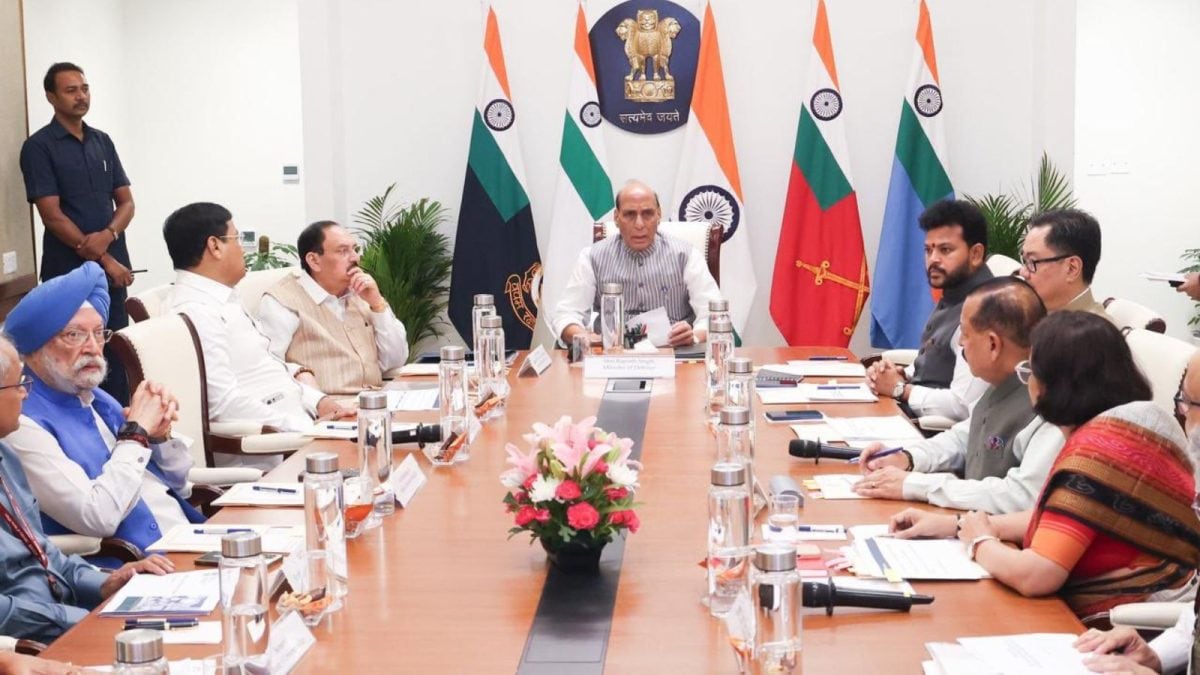
A high-stakes inter-ministerial briefing convened earlier this week sought to douse any sparks of panic that might have flared following the Prime Minister’s call. The Informal Group of Ministers (IGoM), chaired by Defence Minister Rajnath Singh, meticulously dissected the implications of the West Asia crisis, particularly the looming threat of a fuel supply squeeze stemming from the Strait of Hormuz blockade. “I urge people to remain calm and avoid any kind of panic as the government is taking concrete steps to prevent shortages or disruptions in supply chains,” Singh asserted on social media, emphasizing the collective responsibility in navigating these challenging times.
Ensuring India’s Fuel Supply Amid Global Turmoil
This renewed push for conservation echoes a broader strategic vision. PM Modi’s appeal, according to Minister Singh, isn’t just about immediate relief; it’s a profound call for self-reliance and bolstered energy security. The nation must collectively participate to weather global disruptions. Senior officials, including Oil and Petroleum Minister Hardeep Singh Puri and Shipping Minister Sarbananda Sonowal, attended the crucial meeting, underscoring the government’s coordinated approach.
The stock exchange, admittedly, felt sharp jolts immediately after the Prime Minister’s Sunday address. Yet, the Ministry of Petroleum presented a steady front. “Though there is price volatility in the global market, the government has tried to ensure minimum problem for consumers,” stated Sujata Sharma, Joint Secretary in the Ministry of Petroleum. She further confirmed that refineries are operating at optimum levels, with no reports of dry retail or LPG outlets anywhere across the country.
While the government clarifies its position on the fuel supply, the Opposition, led by Rahul Gandhi, has criticized the Prime Minister’s austerity measures. Separately, the Chamber of Trade and Industry (CTI) voiced apprehension regarding PM Modi’s suggestion for citizens to curb gold purchases for a year. CTI Chairman Brijesh Goyal has formally requested a meeting to discuss the concerns of the gold retail sector, highlighting the ripple effects of such appeals across various economic segments. Understanding these global energy dynamics can provide further context. For additional insights into worldwide energy forecasts, consider visiting the International Energy Agency.