
Fifteen elephant deaths at Kenya park may be due to cyanide poisoning
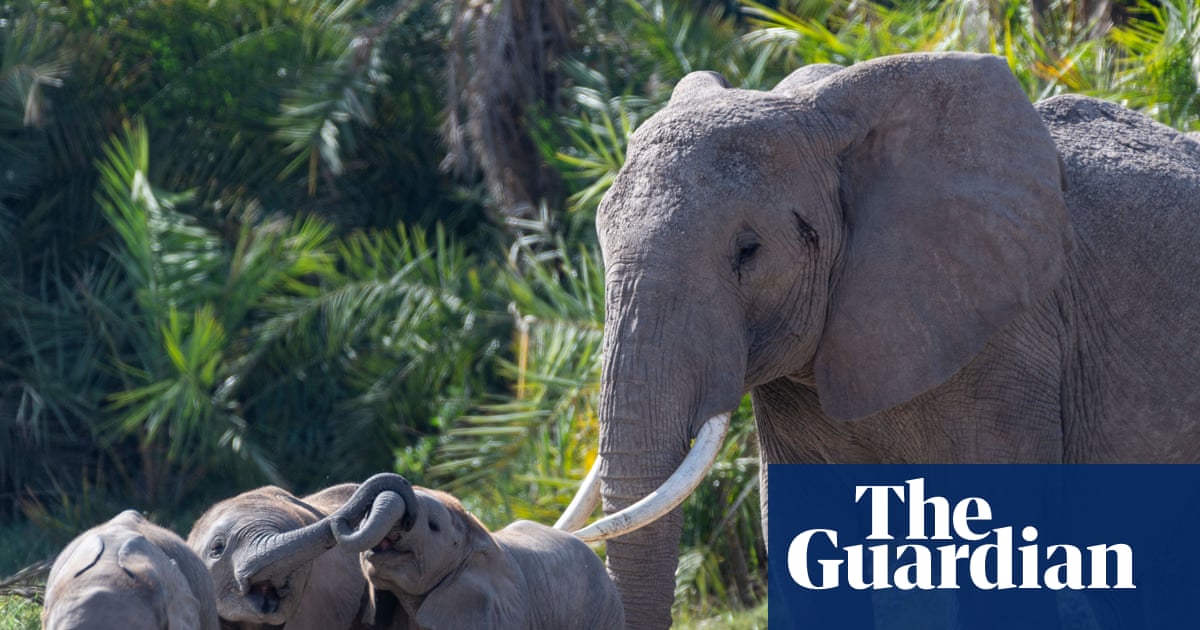
A shadow of tragedy darkens Kenya’s iconic Amboseli ecosystem, as an alarming cluster of elephant deaths Kenya has ignited fears of widespread chemical contamination. Preliminary investigations by the Kenya Wildlife Service (KWS) suggest a sinister culprit: cyanide, likely ingested from pesticides utilized on burgeoning local tomato farms.
Over the past month, a staggering fifteen elephants met their untimely demise in the Kimana sanctuary and Kuku Group ranch areas surrounding Amboseli National Park. Erustus Kanga, the KWS director general, disclosed to Citizen TV that forensic analysis of samples from the deceased giants unequivocally revealed traces of cyanide. This highly toxic compound, a staple in agricultural pest control and even regrettably by poachers, spells rapid, irreversible doom for any creature consuming it.
Unraveling the Mystery Behind Elephant Deaths Kenya
The affected region, a sprawling 392 sq km expanse, currently supports a thriving population of over 1,600 elephants, making this incident particularly devastating for the conservation community. Kimana town, a significant producer of tomatoes, has previously been flagged by researchers from the Route to Food Initiative for its problematic reliance on cyanide-based substances in crop management. Isaac Lekolool, KWS head of veterinary services, substantiated these concerns, noting that the stomach contents of one fallen elephant contained substantial amounts of tomatoes, a grim indicator of agrochemical exposure.
The implications extend far beyond the majestic pachyderms. Kanga issued a dire warning, emphasizing the potential for a broader ecological catastrophe. “We have the goats, we have the cattle that are there,” he stated, highlighting the risk to domestic livestock that might forage in the tainted areas. Should cyanide truly permeate the local food chain, the long-term impact on both wildlife and human communities could be catastrophic.
Conservation groups have voiced profound alarm. The global conservation body, International Fund for Animal Welfare, articulated that these fatalities are “deeply alarming,” underscoring the urgent need for enhanced scientific research, robust monitoring, and collaborative conservation efforts to safeguard these magnificent animals and their crucial habitats.
This tragic episode also casts a harsh light on the persistent human-wildlife conflicts plaguing the region. In the past, desperate farmers and herders in Kenya have resorted to poisoning wildlife, often in retaliation for crop destruction or livestock predation. While Amboseli has largely managed to curb traditional elephant poaching through community-centred initiatives, this new threat from agricultural chemicals presents an insidious challenge. Addressing the root cause of these elephant deaths Kenya demands innovative solutions and policy adjustments. Benson Leyian, CEO of Big Life Foundation, lamented, “Aside from losses during periods of severe drought, we haven’t seen a cluster of elephant deaths like this for some time.”