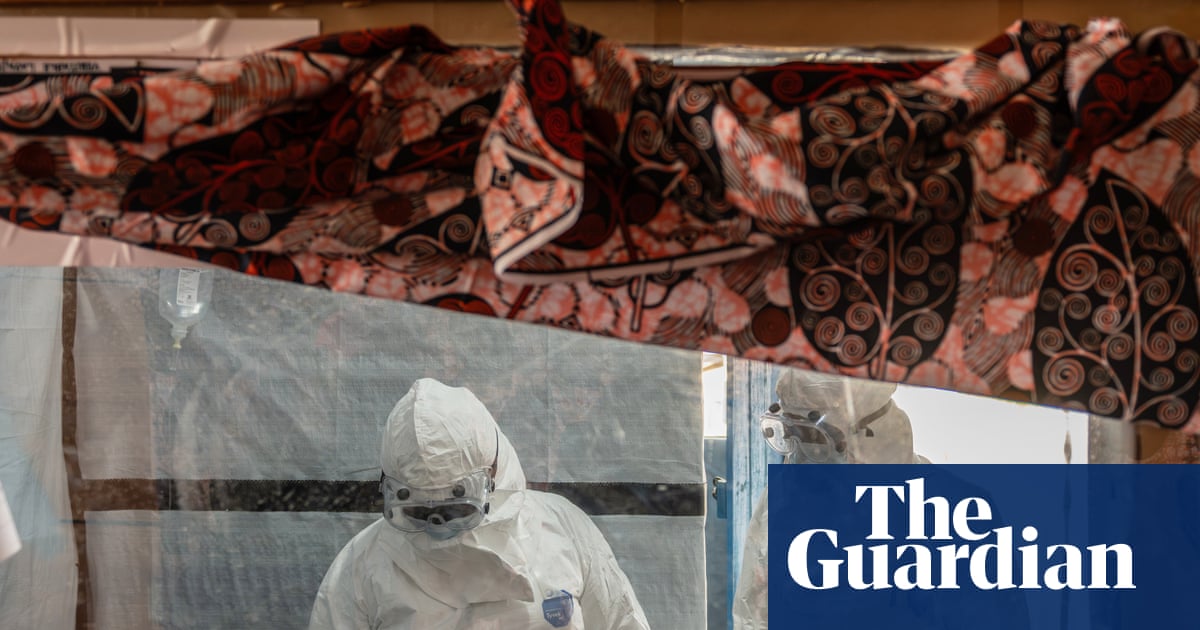
A significant public health alert has been raised in Europe. France has officially confirmed its initial France Ebola case, involving a medical professional who recently returned from a humanitarian mission in the Democratic Republic of Congo (DRC). This unprecedented event has triggered an immediate and comprehensive response from French health authorities.
The patient, whose condition is reported as stable, was swiftly transferred to a specialized medical facility. French health officials emphasized that all necessary precautions, including rigorous isolation and secure transportation, were implemented upon arrival to nullify any potential contamination risk. An intensive contact tracing operation is currently underway, with identified contacts advised to self-isolate for 21 days. Despite this grave news, the ministry maintains that the overall risk to the wider European public remains “very low.”
Deepening Crisis in the DRC: The Origin of the France Ebola Case
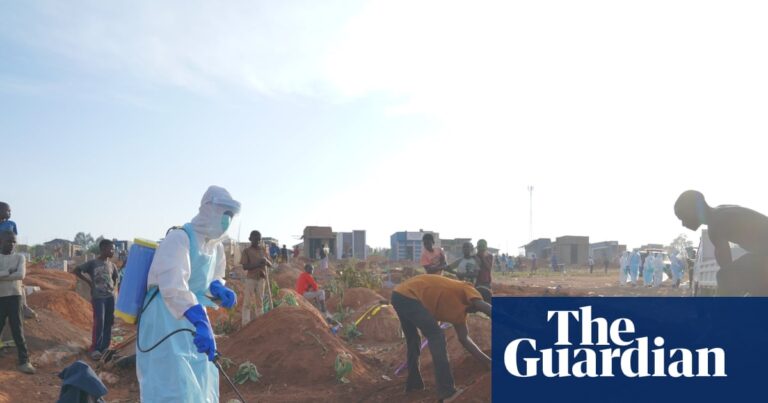
The current outbreak is primarily concentrated in the Ituri province of northeastern DRC, where local authorities are grappling with an escalating public health crisis. As of June 21, the DRC’s health ministry reported a staggering 1,048 confirmed cases and 267 fatalities, alongside 112 recoveries. Neighboring Uganda has also registered 20 cases and two deaths, underscoring the regional threat. The World Health Organization (WHO) declared a public health emergency of international concern on May 17, just two days after the outbreak was officially recognized. Experts, however, speculate that the virus had been silently circulating for weeks, suggesting the true scale of the epidemic in the DRC could be far more extensive than reported figures indicate.
Responding to this dire situation has proven exceptionally complex. Aid efforts are hampered by ongoing conflict and significant aid cuts in the North and South Kivu provinces, situated south of Ituri, where the M23 rebel group operates. Furthermore, initial local resistance to intervention efforts in the DRC, including deplorable incidents of hospitals and treatment centers being deliberately destroyed, appears to be gradually diminishing. Abdirahman Mahamud, a WHO official, noted a positive shift, stating that “more and more communities are aware of the risk of Ebola and are asking for tools to support and protect themselves.” This particular strain, the rare Bundibugyo virus, lacks both a vaccine and an approved specific treatment, adding another layer of difficulty to containment. This global health challenge directly led to the France Ebola case.
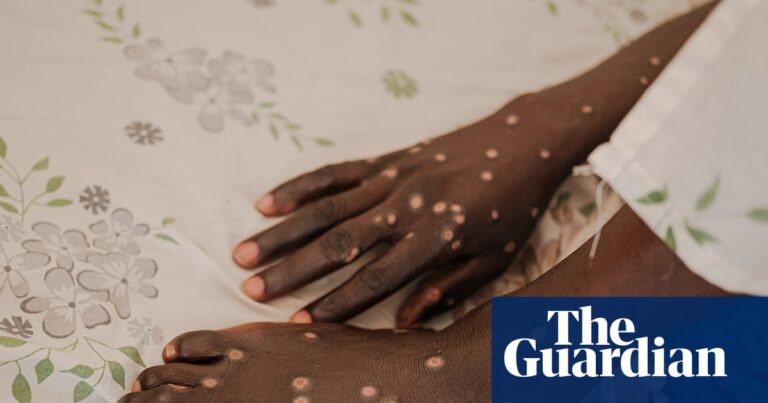
Ebola, first identified in the Central African nation in 1976, has seen 17 outbreaks in the DRC alone. Scientists theorize the virus initially transmits to humans from infected African fruit bats. Subsequent human-to-human transmission occurs through direct contact with bodily fluids from an infected person, or tragically, from someone who has succumbed to the deadly virus. Early symptoms often mimic common illnesses: fever, profound exhaustion, muscle pain, headaches, and a sore throat. As the disease progresses, these can intensify into vomiting, severe diarrhea, abdominal pain, a distinctive rash, and impaired kidney and liver function.
Internationally, there are ongoing discussions and actions to curb the spread. A US citizen who received treatment for Ebola in Germany was discharged earlier this month, having tested negative for the virus. Meanwhile, a highly controversial plan by the US government to construct an Ebola quarantine facility for its citizens in Kenya, a country with no recorded Ebola cases, faced a significant setback. Kenya’s health minister recently ordered a halt to its construction following a high court directive, an order initially disregarded by authorities. The global effort to contain Ebola remains a complex and multifaceted challenge, highlighted by the recent France Ebola case.
About the Author