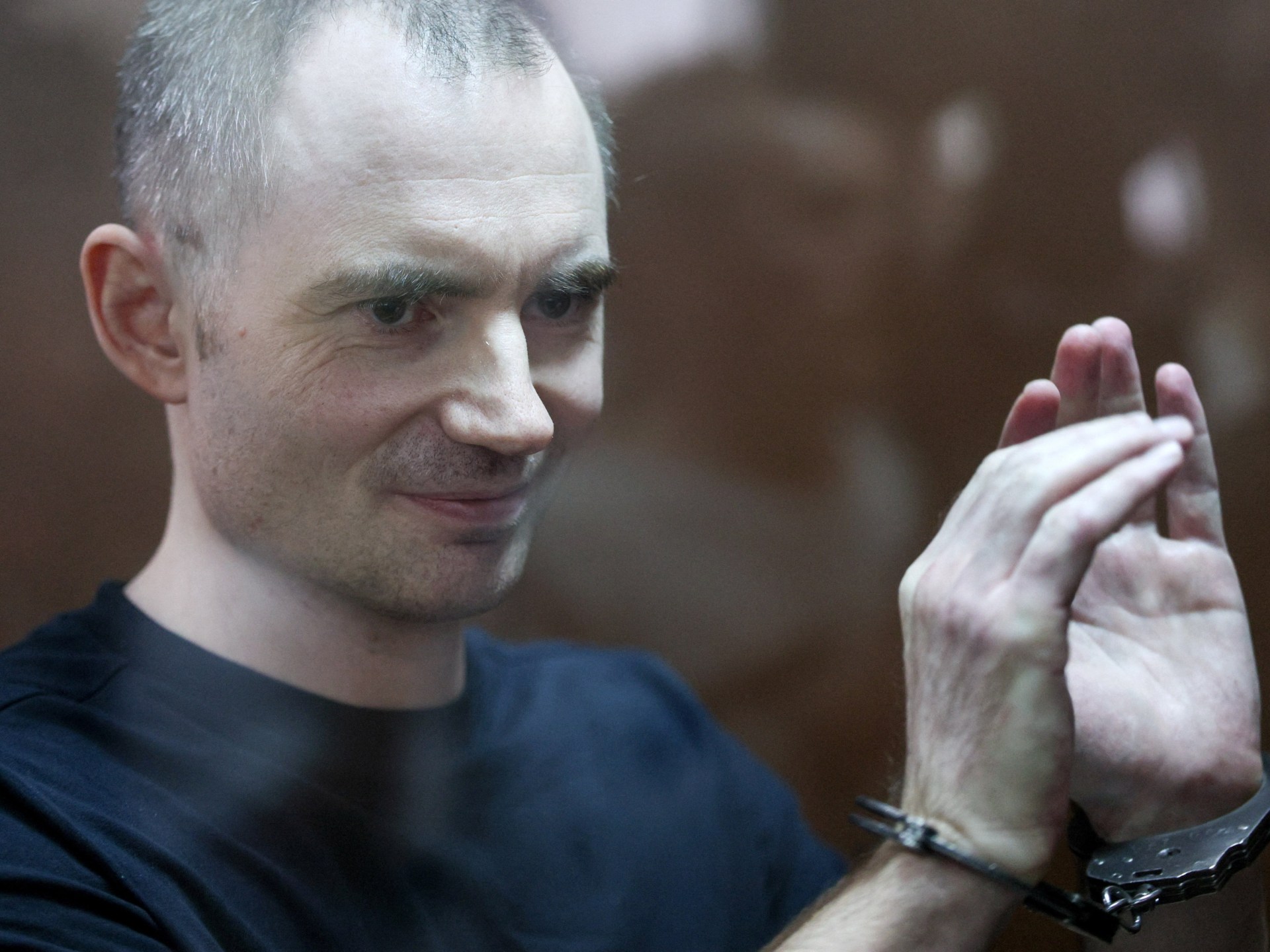
A prominent Russian opposition leader, Maxim Kruglov, has been handed a devastating seven-year prison sentence. His crime? Two social media posts made in 2022 concerning the ongoing conflict in Ukraine. This severe judgment against the deputy leader of the liberal Yabloko party sends a chilling message to anyone daring to voice dissent within the nation’s borders.
Kruglov staunchly denies the charges levied against him. He has publicly characterized the legal proceedings not as a pursuit of justice, but as a bald-faced “ban on dissent.” Such a hefty penalty for mere online commentary highlights a deeply concerning trajectory for freedom of expression in Russia.
Crackdown on Russian Opposition Leader Continues
The sentencing of the Russian opposition leader is not an isolated incident. It arrives amidst a broader, intensifying crackdown on critical voices across the country, particularly those speaking out against the war. International observers have repeatedly noted a tightening grip on civil liberties, with individuals facing severe repercussions for actions that would be considered fundamental rights in democratic societies.
Legal experts and human rights advocates worldwide have expressed alarm. The implications for other activists and journalists are profound, creating an environment where self-censorship becomes an unfortunate necessity for personal safety. The case of this specific Russian opposition leader, therefore, resonates far beyond his personal plight, touching upon the very fabric of Russia’s civic space.
As the international community watches, many are calling for greater adherence to international human rights standards and a re-evaluation of such punitive measures. The outcome of cases like Kruglov’s often serves as a barometer for the state of civil society within nations grappling with internal and external conflicts.
About the Author