
French President Macron to host Saudi Crown Prince MBS in Paris for talks
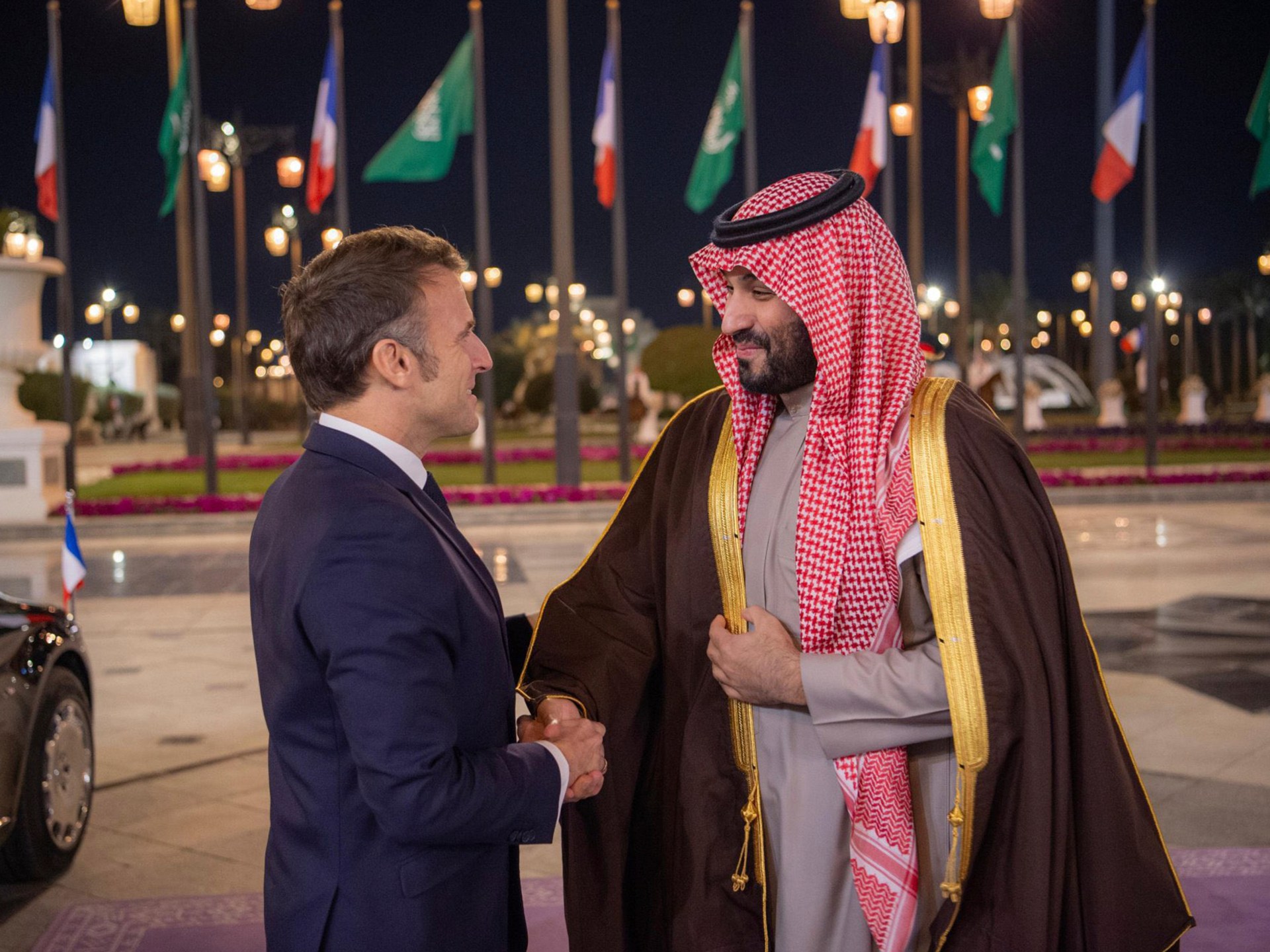
Paris is abuzz with diplomatic activity as French President Emmanuel Macron prepares to host Saudi Crown Prince Mohammed bin Salman (MBS) for a pivotal two-day state visit. This eagerly anticipated event, commencing on Sunday evening, will transcend mere formalities, delving into a complex tapestry of global energy dynamics, pressing regional conflicts, and the deepening of bilateral cooperation. The meeting represents a crucial moment for both nations, highlighting France’s enduring strategic engagement in the Middle East and Saudi Arabia’s evolving role on the international stage. These high-stakes Saudi France Talks are poised to shape future diplomatic and economic alignments.
The visit remarkably kicks off with a spectacle of modern culture: Macron will host the crown prince at the closing ceremony of the Esports World Cup in Paris. This marks a significant moment, as it’s the first time this multidisciplinary competition, encompassing everything from high-octane video games to strategic chess matches, has been held outside Saudi Arabia. This seemingly unconventional opening underscores Saudi Arabia’s concerted efforts under Vision 2030 to diversify its economy and project a modern image, harnessing soft power through initiatives like the burgeoning global esports industry. It’s a clear signal that Saudi Arabia is looking beyond traditional diplomacy to engage with the world.
Deepening Strategic Partnerships: The Saudi France Talks Agenda
Following the esports event, the focus will sharply shift to substantive bilateral meetings and a dedicated business forum on Monday. Macron’s office has confirmed that the two leaders will meticulously dissect the “main topics of regional importance,” emphasizing the ongoing, close collaboration between France and its partners in the Gulf region. The agenda is notably comprehensive, reflecting the multifaceted challenges and opportunities confronting both Europe and the Middle East.
Among the top priorities are discussions concerning energy routes designed to circumvent the increasingly vulnerable Strait of Hormuz, a critical maritime chokepoint through which a significant portion of the world’s oil supply passes. This includes exploring new pipeline projects, upgrading existing capacities, and developing alternative port networks to enhance global energy security. Furthermore, the leaders will tackle the protracted Iran conflict, the persistent tensions between Gaza and Israel, and the broader geopolitical quagmire in Palestine. Developments in Lebanon and Syria are also high on the agenda, as these nations continue to grapple with instability and humanitarian crises. Officials acknowledge the immense difficulty in finding a resolution to the US-Israel war on Iran, now in its sixth month, with a Macron adviser noting, “It’s difficult to see a way out.” The persistent regional challenges underscore the urgency of these escalating tensions with Iran and the broader Middle East.
Several crucial agreements are expected to be inked on Monday, spanning vital sectors such as health, transport, and energy. These accords underscore the practical dimensions of the strategic partnership, aiming to foster tangible advancements and mutual benefits for both nations.
Geopolitical Currents and Economic Diversification
This visit marks Prince Mohammed’s third trip to Paris, following previous engagements in 2022 and 2023, and serves to further solidify the Saudi-French Strategic Partnership Council. This council was initially launched during President Macron’s state visit to Riyadh in December 2024, signaling a long-term commitment to enhanced cooperation.
Significantly, the Paris trip is Prince Mohammed’s first international foray since Saudi Arabia, alongside Turkiye and Pakistan, formally inked a groundbreaking trilateral defense pact on August 7. Known as the Mecca Joint Defence Agreement, or the Mecca pact, this accord commits all three signatory states to consider an armed attack on any one of them as an attack on all. This alliance is not merely symbolic; it represents a profound shift in Riyadh’s security calculus, as analysts suggest it reflects a deliberate strategy to diversify security partnerships beyond its traditional reliance on Washington. France, historically a prominent supplier of sophisticated weaponry and defense technologies to Gulf states, naturally plays a pivotal role in this evolving landscape.
The deal builds upon an earlier bilateral Saudi-Pakistan mutual defense agreement signed in 2025. This broader regional realignment comes at a time when Gulf states are increasingly evaluating how to mitigate their dependence on U.S. security guarantees, particularly amidst the prolonged and destabilizing fallout from the Iran conflict. The desire for strategic autonomy and diversified alliances is a powerful driver of current Middle Eastern diplomacy, and these Saudi France Talks are a testament to that.
Beyond defense, Saudi Arabia is actively positioning itself as a significant investor in the French economy, signaling a robust economic dimension to the bilateral relationship. The two leaders last convened in April in Islamabad, where they discussed de-escalation efforts related to the Iran war, agreeing then to maintain “close contact.” The Kingdom’s ambitions to host major global events, including Expo 2030 and the 2034 FIFA World Cup, are also expected to feature prominently in Monday’s discussions, reinforcing Saudi Arabia’s aspiration to be a global hub for culture, sport, and commerce. Such regional diplomatic efforts are essential for navigating the complex geopolitical landscape.