
Hospitals deliberately targeted by Sudan’s RSF fighters, BBC investigation finds
Introduction & Key Takeaways
A recent, chilling investigative report has revealed that the Sudan healthcare system was systematically targeted and dismantled by Rapid Support Forces (RSF) during the long siege of el-Fasher. This analysis explores how the deliberate destruction of medical facilities during the ongoing civil war represents a massive violation of international law. As the conflict grinds on with no clear path to resolution, the implications for humanitarian aid and regional stability remain severe.
- Evidence indicates at least 43 separate attacks on hospitals and clinics occurred between May 2024 and October 2025.
- The collapse of health infrastructure led to 55 confirmed medical worker deaths and widespread forced disappearances.
- These acts suggest a strategic, calculated effort to make regions uninhabitable for specific populations.
- International bodies, including the WHO, have condemned these actions, noting the clear patterns of targeting.
Background & Context
The civil war in Sudan, which erupted in April 2023, has devolved into one of the most significant humanitarian catastrophes of the 21st century. At the heart of this tragedy is the city of el-Fasher, which became a focal point for the competing interests of the Rapid Support Forces and the national army. As the siege intensified over the course of 2024 and 2025, the urban landscape became a battlefield where civilian infrastructure, particularly hospitals, became primary targets rather than protected sanctuaries. The BBC investigation provides a detailed timeline of how this vital infrastructure was methodically paralyzed.
Root Cause & Deep Dive Analysis
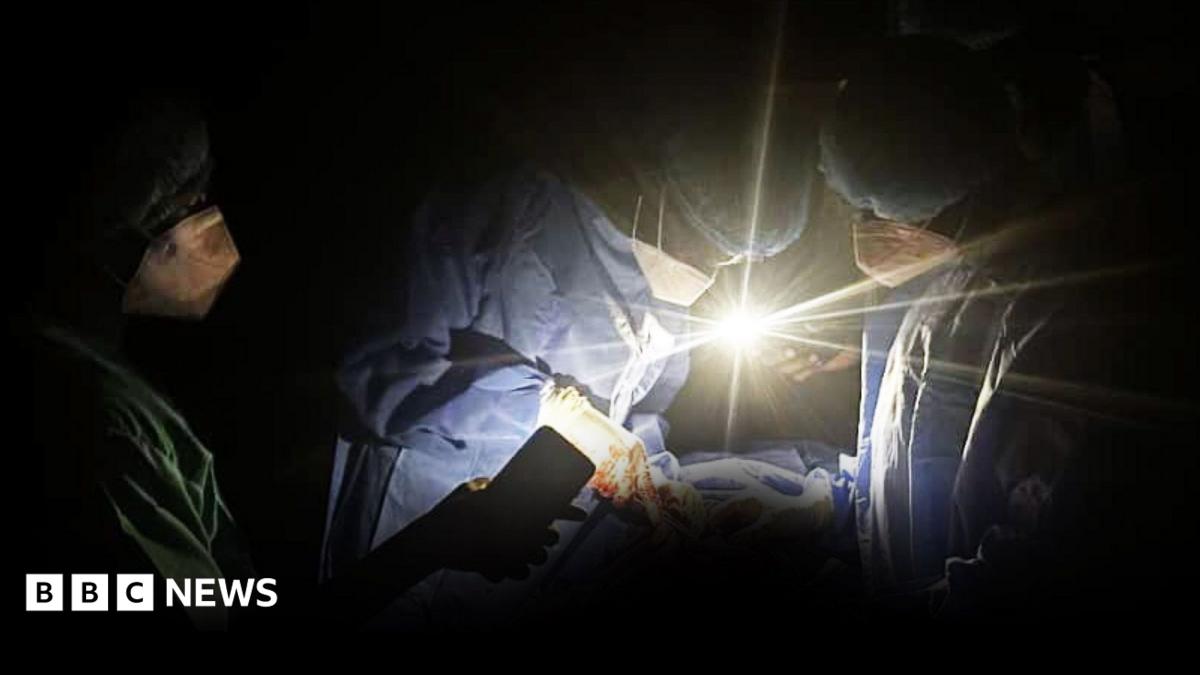
Why would a paramilitary force prioritize the destruction of hospitals? Tactical analysis suggests that the RSF viewed the medical system as a strategic asset for their opponents. By destroying the ability to treat the wounded, they effectively forced the evacuation of civilian populations, which served their territorial goals. This mirrors other global conflicts where health systems are weaponized to cause mass displacement. Surgeons on the ground reported that attacks were not incidental shells landing in residential areas, but were precision strikes designed to render surgical theaters unusable. This level of coordination indicates that the degradation of the Sudanese health sector was a deliberate policy rather than a byproduct of chaotic urban warfare.
Strategic Implications & Future Impact
The systematic targeting of the Sudan healthcare system has created a vacuum that will take decades to fill. Beyond the immediate loss of life, the permanent closure of dialysis centers and maternity wards ensures that even after the guns fall silent, the population will continue to suffer from the lack of basic care. Geopolitically, the destruction of el-Fasher signals a disregard for the foundational principles of international humanitarian law. If such flagrant abuses go unpunished, it sets a dangerous precedent for future conflicts in unstable regions. The normalization of attacking non-combatant services weakens the moral authority of international institutions and increases the likelihood that civilians will be used as pawns in future power struggles.
Conclusion & What to Watch Next
The situation in Sudan remains dire as the country faces the dual pressures of ethnic conflict and structural collapse. With limited access for international observers, tracking the long-term consequences of these events is difficult but essential. Moving forward, observers must watch for the potential of further sanctions against militia leaders and whether international courts can bridge the gap between documented war crimes and actual accountability. The struggle for the survival of the nation rests on whether global powers can force a ceasefire that protects, rather than obliterates, the remaining remnants of its essential services.