
Hungary lifts immunity of Prime Minister Magyar, two Orban-era ministers
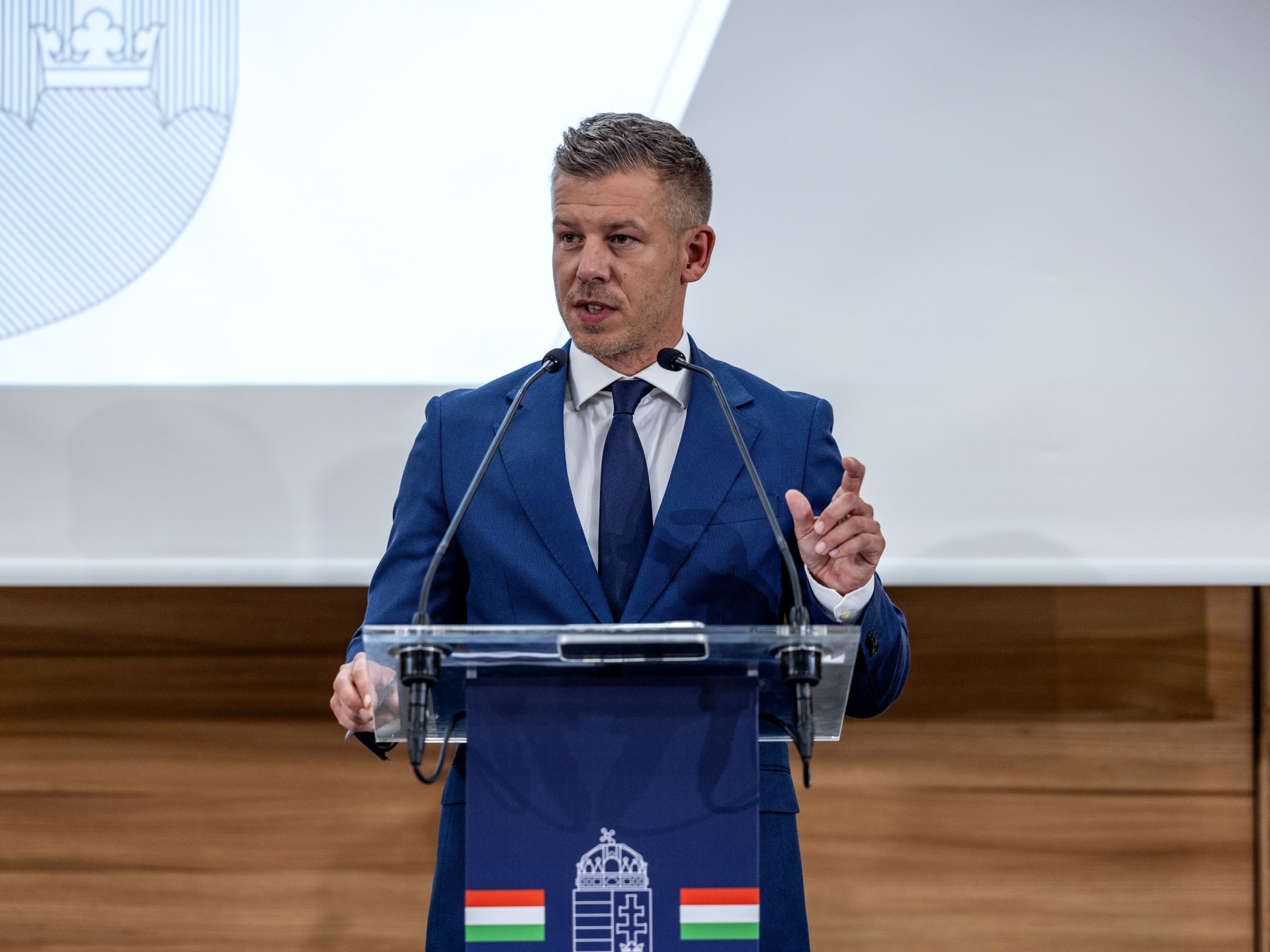
In a dramatic political shift, the Hungarian Parliament has formally stripped Prime Minister Peter Magyar of his parliamentary immunity. This landmark move, occurring alongside the removal of immunity for two prominent ministers from the previous administration, signals a new, aggressive phase in the nation’s pursuit of legal accountability. As Hungary navigates the complexities of this political transition, the focus on Hungary immunity laws remains central to the broader discourse regarding judicial independence and government transparency.
The parliamentary decision, which passed with an overwhelming majority, serves as a direct response to a petition submitted by state prosecutors. While the Prime Minister is currently entangled in an investigation regarding an alleged theft incident at a Budapest nightclub, the concurrent investigations into former officials Balazs Hanko and Miklos Sesztak represent the most significant challenge yet to the long-standing political establishment. These developments highlight a turning point in the post-Orban era, as the current administration attempts to dismantle entrenched patterns of malpractice, an issue discussed in detail in recent reports about the transparency of government institutions.
The Growing Impact of Hungary Immunity Reform
Prime Minister Magyar has explicitly welcomed the lifting of his own immunity. By doing so, he aims to combat what he describes as a campaign of character assassination, claiming the legal challenges against him are politically motivated distractions intended to undermine his reformist agenda. Critics, however, suggest that the legal environment is increasingly volatile. The accusations surrounding his conduct in 2024, involving the destruction of property, are being treated with the same procedural rigor as the massive financial probes facing the former administration. For more context on the fragile nature of political stability during such transitions, read about similar global governance challenges.
Meanwhile, the cases involving the Orban-era officials are vastly different in scope and scale. Former Minister of Culture Balazs Hanko finds himself at the center of a scandal involving the alleged embezzlement of over 40 million euros. Prosecutors contend that these public funds were diverted to bolster election campaigns, a practice that highlights the deep-seated issues of corruption that Magyar campaigned to eradicate. Concurrently, former Minister of National Development Miklos Sesztak faces serious allegations of accepting more than 37 million dollars in bribes and kickbacks, primarily linked to state-run construction and transportation projects. These figures illustrate the sheer depth of the cleanup operation facing the current cabinet.
Transparency and the New Political Landscape
The decision by the opposition parties, specifically Fidesz and the KDNP, to boycott the parliamentary session only serves to amplify the divide within the nation. By abstaining from the vote, these factions have signaled their lack of faith in the current legal proceedings, which they characterize as a witch hunt. However, for a public hungry for change, these legal developments are vital. The administration has made the establishment of an asset-recovery office a cornerstone of its policy, specifically designed to investigate the legacy of the previous 16 years of rule. This reflects a growing global trend where citizens demand greater accountability from their leaders, much like the public pushback seen in other turbulent political climates.
As the legal system prepares to scrutinize these individuals, the implications for the European Union’s relationship with Budapest cannot be overstated. Magyar’s platform was built on the promise of repairing fractured ties with Brussels and restoring the rule of law. Successfully prosecuting these high-profile corruption cases would serve as a powerful signal to the EU that Hungary is committed to democratic standards. Yet, the road ahead is treacherous. The legal battles are likely to be lengthy, and the political fallout could easily destabilize a government that is only months removed from a landslide election victory. The lifting of Hungary immunity is not merely a procedural step, but a bold statement that no individual, regardless of their current or past standing, is above the law in the eyes of the new administration.
Ultimately, the coming months will test the resilience of Hungary’s legal institutions. Whether these investigations result in convictions or further political gridlock, the events of this week have cemented the fact that the era of unchallenged power has ended. As the Hungary immunity debate continues to dominate headlines, the world watches to see if these investigations will successfully usher in an era of reform or if they will further polarize an already fractured nation.