
India’s salt workers: The human cost of the world’s most popular seasoning
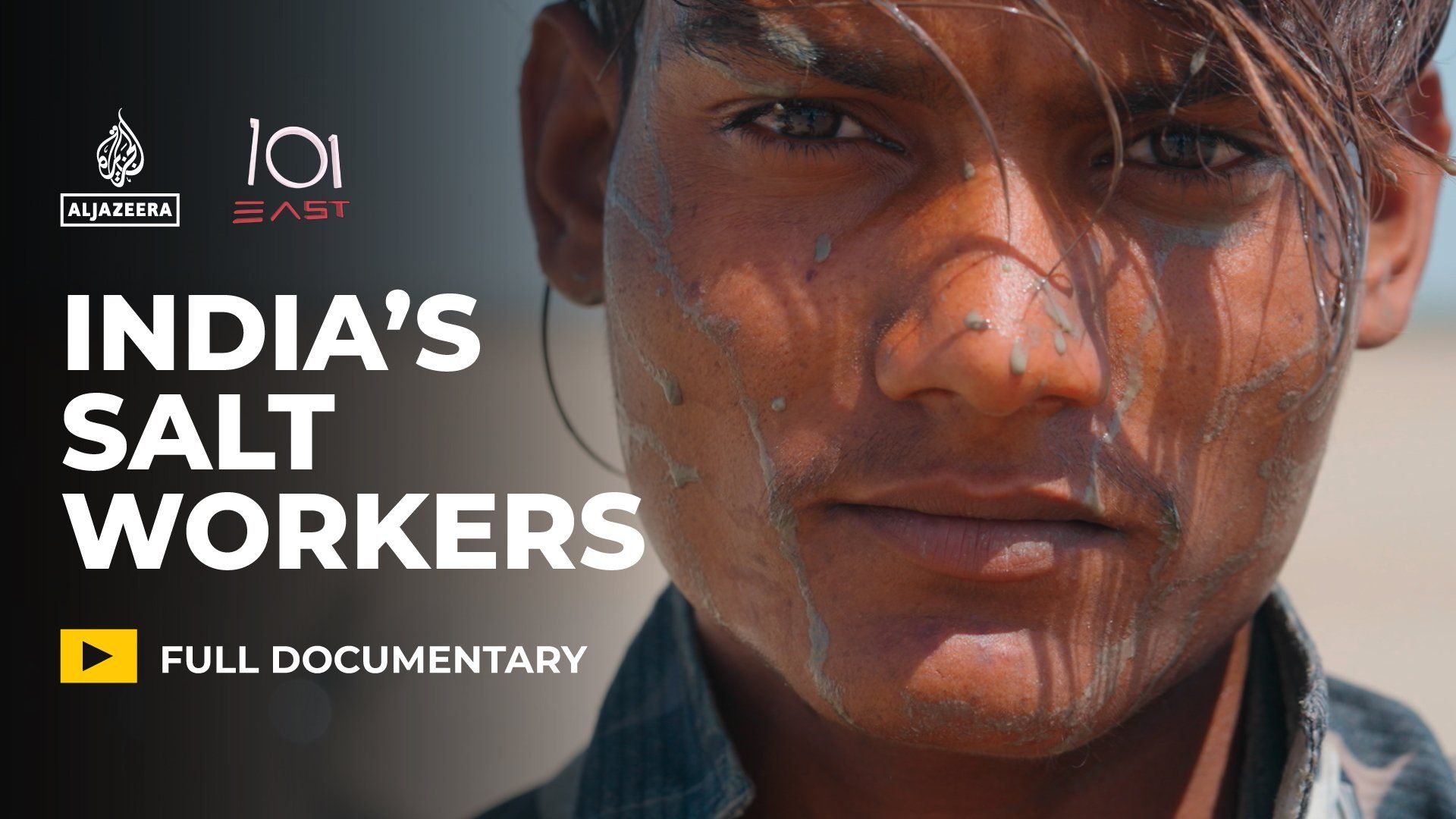
Every grain of salt that graces our dinner tables carries a story. Yet, few truly grasp the profound human sacrifice underpinning the global salt supply. India, a colossal player in the world’s salt production and export, relies heavily on a deeply marginalized community. This investigation delves into the harsh realities faced by India’s salt workers, revealing a grueling existence in some of the planet’s most unforgiving landscapes.
The vast, blinding salt deserts of Gujarat are battlegrounds for survival. Here, the Agarivas, a community pushed to society’s fringes, endure unimaginable hardships. They toil under relentless sun, their bodies battered by the extreme environment, extracting the very seasoning we so often take for granted. This isn’t merely labor; it’s an arduous struggle for existence, generations trapped in a cycle of poverty and exploitation.
The Grueling Lives of India’s Salt Workers
For these resilient individuals, each sunrise brings another day of backbreaking work. Water is scarce. Shelter, rudimentary at best. Health issues, from severe skin burns to debilitating respiratory problems, are rampant, stemming directly from their constant exposure to the harsh elements and caustic brine. Their compensation is often meager, barely enough to sustain their families, sometimes forcing children into the same grueling profession. The stark contrast between the global demand for their product and their abysmal living standards is nothing short of shocking. It highlights a critical issue in global supply chains, where the lowest rung of the ladder bears the heaviest burden, often out of sight and out of mind.
The plight of India’s salt workers isn’t an isolated incident; it’s a stark reminder of the ethical considerations woven into our daily consumption habits. As consumers, our choices, however small, can echo across continents, impacting lives we may never see. The salt on our tables, while essential for flavor, carries a hidden cost that demands our urgent attention.
This deep dive into the industry’s heart, embedded with Agariva families, uncovers the immense pressure they face, day in and day out. Their stories compel us to reflect on the broader implications of global trade and the urgent need for more equitable working conditions worldwide. The resilience of India’s salt workers is undeniable, but their struggle for basic human dignity should not be.