
Indigenous groups oppose Milei plan to open Argentina to foreign buyers
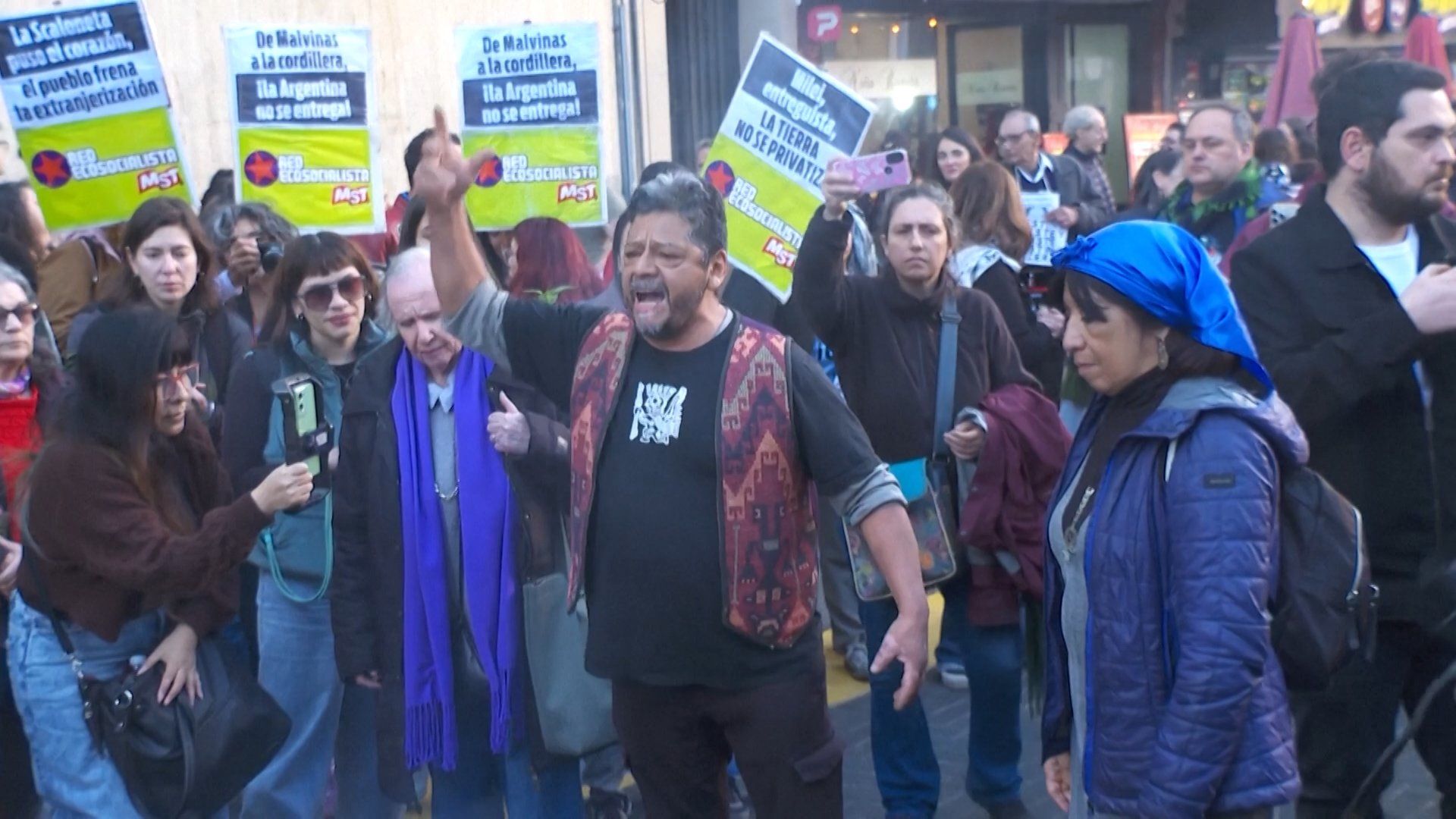
A contentious proposal to liberalize Argentina land sales to foreign entities has ignited widespread protests across Buenos Aires, pitting President Javier Milei’s government against a formidable coalition of indigenous communities and land rights activists. Hundreds recently converged in the capital, vehemently opposing a legislative bill poised to dismantle existing restrictions on non-national ownership of Argentina’s vast rural territories. This move, critics assert, directly jeopardizes ancestral lands and cultural heritage.
President Javier Milei’s administration staunchly defends the initiative, arguing it is a crucial catalyst for economic growth. Officials contend that by removing barriers, the nation will attract much-needed foreign investment, thereby bolstering the economy and strengthening property rights across the board. The proposed legislation seeks to eliminate the cap on foreign land ownership, currently set at a maximum of 15% of national territory and 15% within each province, along with other specific limitations on water bodies and strategic zones.
The Stakes in Argentina Land Sales
For indigenous communities, the stakes could not be higher. They view the proposed changes not merely as an economic policy shift, but as an existential threat to their traditional territories, many of which lack formal title despite centuries of occupation. These lands are intrinsically linked to their identity, spiritual practices, and livelihoods. Removing protections against foreign acquisition, they argue, paves the way for displacement and the irreversible loss of their heritage.
The debate surrounding these potential Argentina land sales underscores a deeper conflict between modern economic development and the rights of original inhabitants. Critics further warn of potential environmental degradation and increased social inequality should large tracts of land fall into the hands of foreign speculative interests. This isn’t just about property; it’s about sovereignty, culture, and the very fabric of national identity.
As the legislative battle unfolds, the nation watches intently. The government insists its economic policies are essential for national prosperity. However, the powerful voices of indigenous groups, resonating through the streets of Buenos Aires, demand recognition and protection for their ancestral domains, emphasizing that some things, like heritage, are not for sale.