
Indonesia vice president resigns amid dispute over eligibility
Introduction & Key Takeaways
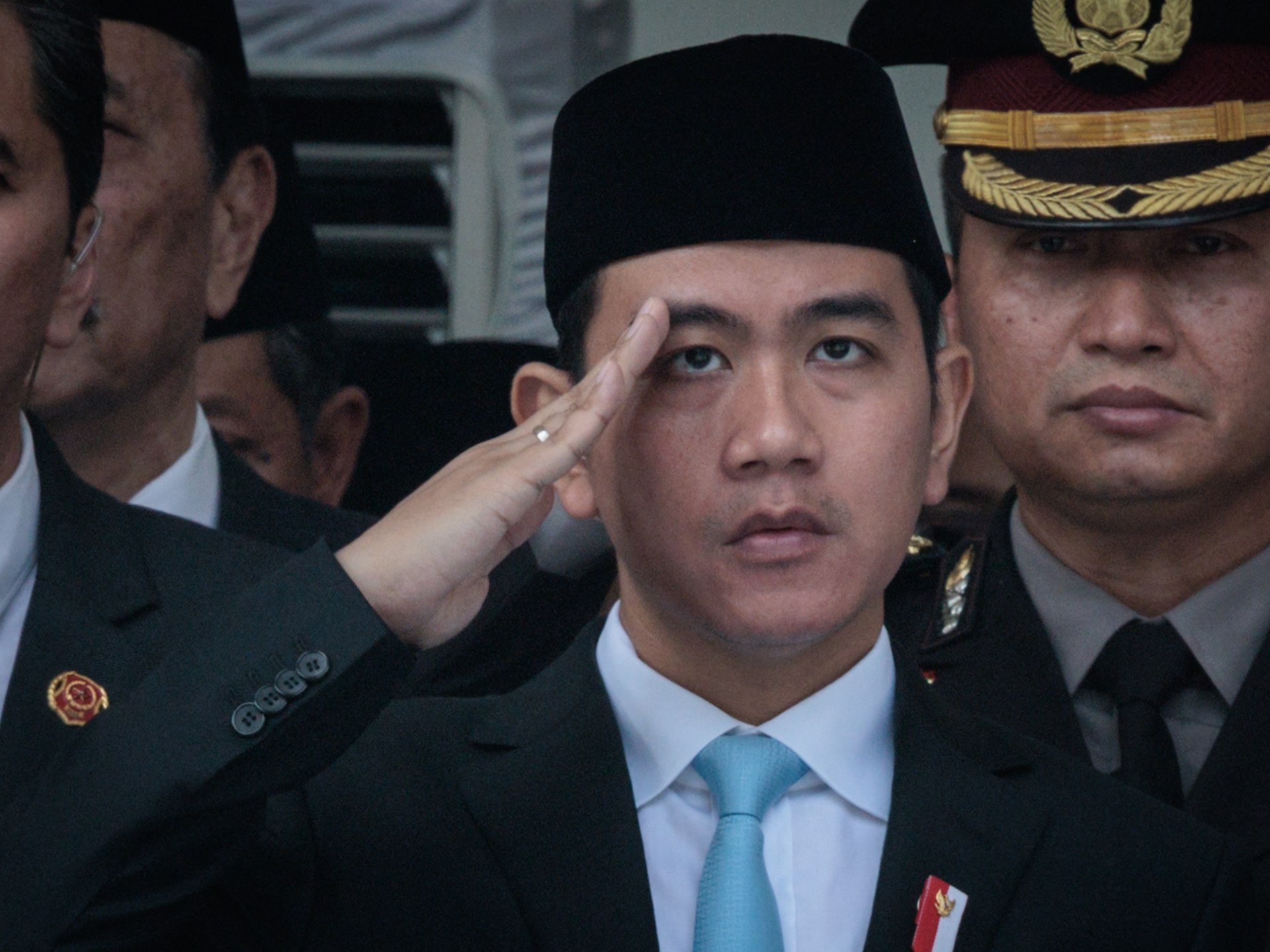
In a move that has sent shockwaves through the political landscape of Southeast Asia, Indonesian Vice President Gibran Rakabuming Raka has officially resigned from his post. This abrupt departure follows intense scrutiny over his academic credentials, specifically regarding the validity of his high school diploma. As the nation grapples with this internal political crisis, the focus shifts to how the administration of President Prabowo Subianto will manage the vacuum left by his former deputy.
- Gibran Rakabuming Raka, the eldest son of former leader Joko Widodo, has stepped down after serving two years of his term.
- The resignation follows rulings by the Constitutional Court and Supreme Court, which questioned the legitimacy of his overseas educational documentation.
- The vacancy does not trigger a new election, but instead mandates that the People’s Consultative Assembly must elect a replacement within 60 days.
- This development compounds existing national unrest stemming from economic hardship, corruption scandals, and public health concerns related to environmental crises.
Background & Context (What Just Happened?)
The resignation of Gibran Rakabuming Raka is the culmination of a protracted struggle between the administration and various institutional oversight bodies. The 39-year-old official, whose ascent to power was already marred by accusations of nepotism due to his father’s previous presidency, found himself trapped in a legislative and legal vice. While he initially attempted to weather the storm by claiming his actions were meant to avoid further political controversy, the mounting pressure from 120 lawmakers across eight political parties made his position untenable. The House of Representatives had already begun the foundational steps of an impeachment process, which would have inevitably ended in a formal constitutional hearing.
Root Cause & Deep Dive Analysis (Why Did This Happen?)
The core issue revolves around the integrity of the Vice President’s educational background. In the Indonesian political system, strict adherence to electoral requirements is a cornerstone of legitimacy. Critics and political opponents, sensing an opening, challenged the documents Gibran provided during his vetting process. The Supreme Court of Indonesia eventually determined that these documents failed to meet mandatory standards. Beyond the immediate legal failure, this crisis mirrors the complex power dynamics often seen in post-authoritarian democratic transitions. Similar political struggles can be observed globally, such as the democrat Scott Colom seals historic win in Mississippi Senate race, which highlights how institutional scrutiny and voter sentiment play pivotal roles in the viability of modern political candidates.
Strategic Implications & Future Impact
The fallout from this resignation extends far beyond the personality of the Vice President. The Prabowo administration is currently navigating a period of profound turbulence. Public dissatisfaction is high, fueled by a toxic combination of persistent economic stagnation and the government’s perceived failure to combat devastating wildfires that have blanketed cities in hazardous smoke. Furthermore, the administration is fighting allegations that police officials were involved in high-level wiretapping, creating a climate of pervasive mistrust. With the vice presidency currently empty, President Prabowo must move quickly to nominate two candidates to the People’s Consultative Assembly to ensure legislative continuity and prevent the political opposition from gaining further ground in upcoming cycles.
Conclusion & What to Watch Next
As Indonesia enters this 60-day window to select a new Vice President, all eyes will be on the legislative maneuvers within the People’s Consultative Assembly. The selection process will likely reveal the true strength of President Prabowo’s current coalition. If he fails to secure a nominee who commands broad support, the government may face a deeper crisis of legitimacy, potentially leading to further social unrest. Citizens and international observers will be watching to see if this resignation serves as a reset for the government or as a precursor to broader structural reforms in a nation clearly struggling with governance and institutional accountability.