
Punjab’s 2027 Battle: BJP Bets On Guru Ravidas Connect, Dalit Outreach With Jalandhar-Varanasi Yatra
Introduction & Key Takeaways
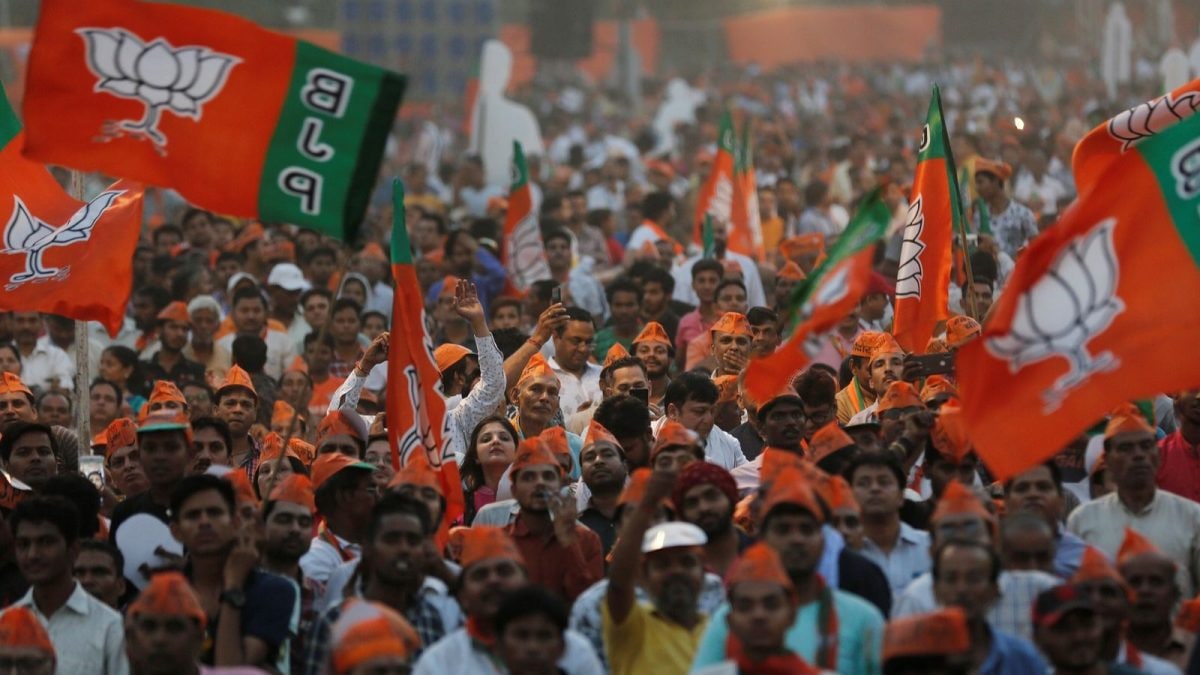
The Bharatiya Janata Party (BJP) is strategically shifting its focus toward the 2027 assembly elections with the launch of the Samarasta Sankalp Yatra. As political landscapes evolve in Northern India, the party aims to bridge the gap with Dalit communities by emphasizing shared cultural heritage and developmental milestones. This initiative is not merely a regional campaign but a calculated move to challenge existing power dynamics held by political rivals.
- The yatra is scheduled to commence in Jalandhar on November 18 and conclude in Varanasi on December 3.
- The initiative focuses on the legacy of the 15th-century saint, Guru Ravidas, to foster social harmony.
- The campaign serves as a broader political counter-narrative to opposition groups like the Aam Aadmi Party and the Samajwadi Party.
Background & Context (What Just Happened?)
On the heels of recent national infrastructure growth, the BJP is formalizing its outreach to the Dalit vote bank in Punjab. The choice of Jalandhar as the starting point for the Samarasta Sankalp Yatra is highly tactical. Located in the Doaba region, Jalandhar sits at the epicenter of Punjab politics. This area contains a significant concentration of the Ravidassia community, whose spiritual influence is anchored at the Dera Sachkhand Ballan. By tracing a route from this Punjab hub to the holy city of Varanasi, the party is symbolically and physically connecting two culturally significant territories.
Root Cause & Deep Dive Analysis (Why Did This Happen?)
The imperative for this yatra lies in the demographic math of the region. With Dalits accounting for approximately 32 percent of Punjab’s population (the highest density in India), the electoral stakes are immense. Political analysts note that the BJP has historically struggled to gain a firm footing in Punjab’s rural heartlands. Meanwhile, the opposition has leveraged local grievances and social coalitions to consolidate support. To compete, the BJP is deploying a multifaceted strategy that combines physical infrastructure, such as the newly named Shri Guru Ravidass Maharaj Ji Airport, with a spiritual outreach campaign. For more on the volatility of national political figures, consider recent reports regarding the turmoil surrounding major corporate leaders who often intersect with the political sphere in complex ways.
Strategic Implications & Future Impact (What Does This Mean Globally?)
The Samarasta Sankalp Yatra carries profound implications for the 2027 electoral cycle. By highlighting the legacy of Guru Ravidas, the BJP attempts to neutralize the ‘PDA’ (Pichhda, Dalit, Alpsankhyak) narrative propagated by the Samajwadi Party in Uttar Pradesh, while simultaneously challenging the governance record of the Aam Aadmi Party in Punjab. This campaign reflects a move toward ‘identity-based developmental politics,’ where the state integrates religious iconography with large-scale connectivity projects like the Sant Ravidas Express. The success of this move will hinge on whether the party can sustain this momentum beyond the duration of the yatra, potentially reshaping the ideological boundaries of the state’s political competition.
Conclusion & What to Watch Next
As the yatra traverses multiple states, from Jammu and Kashmir through Haryana and into the national capital region, its reception will likely serve as a litmus test for the BJP’s growing influence in Northern India. Observers should monitor the level of public participation and the subsequent shifts in voter sentiment within the Doaba region. As we move closer to 2027, the synthesis of spiritual legacy and pragmatic infrastructure will remain the primary lens through which the electorate evaluates the effectiveness of this ambitious political outreach.