
Will Eisenkot be able to form Israel’s next gov’t amid divided opposition?
Introduction and Key Takeaways
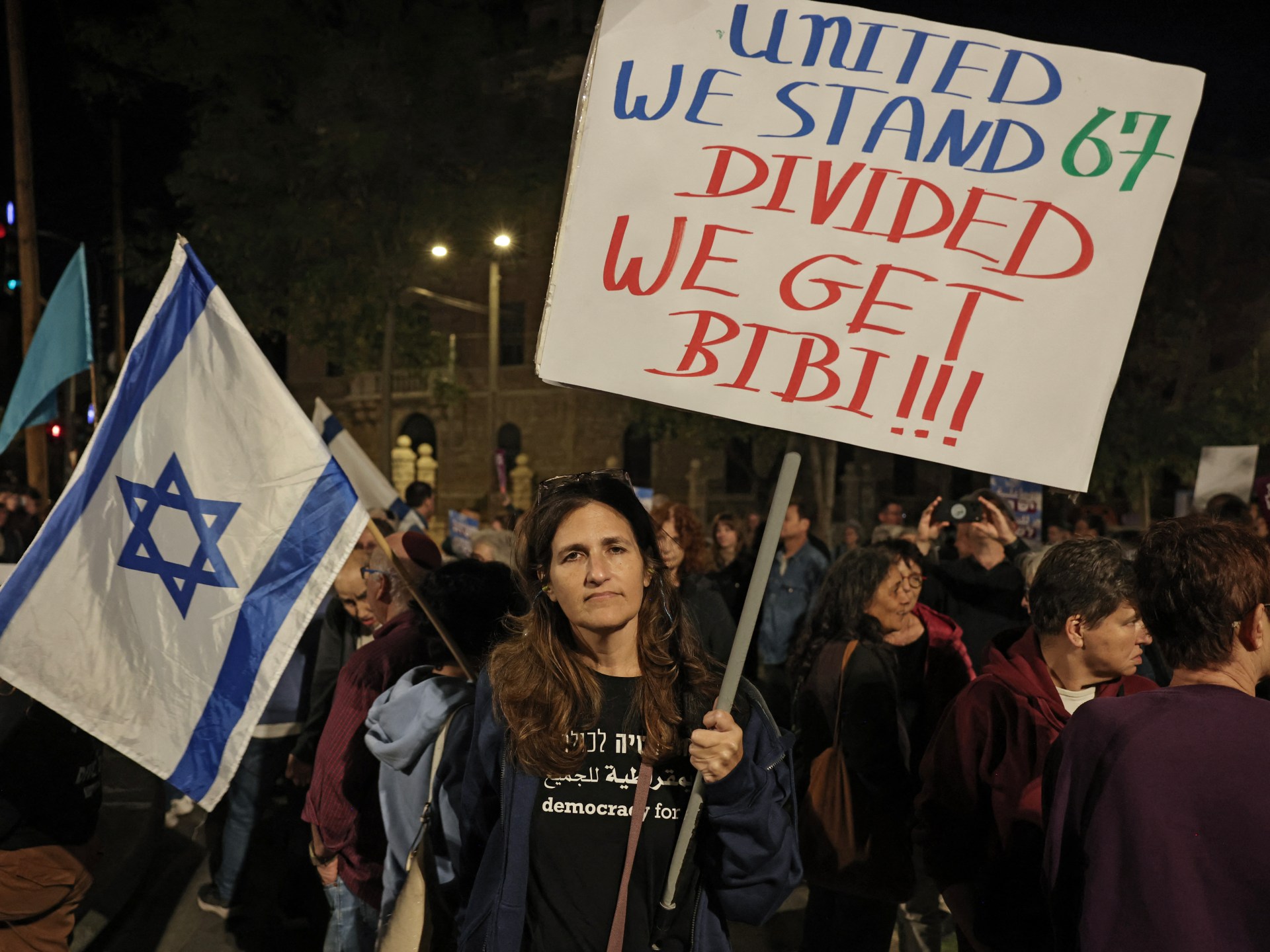
The Israeli political landscape is currently undergoing a period of intense volatility. Following an inconclusive general election that resulted in the erosion of Prime Minister Benjamin Netanyahu’s parliamentary majority, President Isaac Herzog has taken a decisive step. He has tasked Gadi Eisenkot, the former military chief and leader of the Yashar party, with the complex challenge of forming Israel’s next government. This development marks a potential turning point for the nation, as the country grapples with deep internal divisions, security crises, and shifting societal priorities.
- Gadi Eisenkot has been granted an initial 28-day mandate to assemble a governing coalition.
- The current political climate is defined by the absence of a clear 61-seat majority for either the incumbent or the challenger.
- Eisenkot must navigate the conflicting interests of centrist, right-wing, and Arab-led parties to secure a path to power.
- Failure to form a government could lead to further instability, including the possibility of a caretaker administration or even repeated elections.
Background and Context: The Current Political Landscape
The recent election results have shattered the perceived invincibility of Benjamin Netanyahu’s coalition. Having previously commanded 64 seats, his alliance has dwindled to 53, leaving him vulnerable for the first time in several years. The vacuum created by this decline has placed Gadi Eisenkot at the forefront of the national agenda. As a former military chief, Eisenkot enters the political fray with significant stature, yet he faces the daunting task of stitching together a fractured opposition. Political analysts often point to the volatile nature of coalition building, where small parties can wield disproportionate power. The situation is further complicated by the ideological chasm between those who seek a shift in national direction and those tied to the existing status quo.
Root Cause and Deep Dive Analysis
Why has the formation of a government become so arduous? The root cause lies in the deep fragmentation of the electorate and the irreconcilable differences regarding security, religious exemptions, and the future of the Palestinian territories. For instance, the ultra-Orthodox parties hold specific demands regarding military conscription, a point of contention that conflicts directly with the platforms of other secular-aligned partners. Furthermore, the role of Arab-led parties, while numerically significant, creates a political paradox. While they provide the math necessary for an anti-Netanyahu majority, historical friction and ideological disagreements often prevent a stable marriage of convenience. It is essential to recognize that the Knesset structure requires delicate balancing, where even a single party withdrawing its support can topple a government, as witnessed in previous legislative cycles.
Strategic Implications and Future Impact
The potential rise of a Gadi Eisenkot government would represent a significant departure from the policy directions prioritized by the previous administration. However, strategic observers warn that even if Eisenkot succeeds in forming a coalition, his ability to govern effectively remains in question. His cabinet would likely be forced to compromise on key issues, such as settlement expansion and the administration of occupied territories. Moreover, the global geopolitical implications are immense. Regional partners and international allies are closely monitoring these negotiations, as any shift in Israeli policy directly impacts the broader stability of the Middle East. Whether through a minority government or a broad, uneasy coalition, the next administration must address the urgent economic pressures and the deeply polarized public discourse that currently define the Israeli experience.
Conclusion and What to Watch Next
As Gadi Eisenkot utilizes his 28-day window to negotiate, the eyes of the nation remain fixed on his ability to foster unity where it has long been absent. If he fails to navigate the complex web of political alliances, the country may face further gridlock. Observers should look for signs of movement from the ultra-Orthodox parties, whose endorsement could serve as the final piece of the puzzle. Whether this process results in a historic transition or a return to the polls, the outcome will undoubtedly dictate the trajectory of Israeli policy for the coming years.